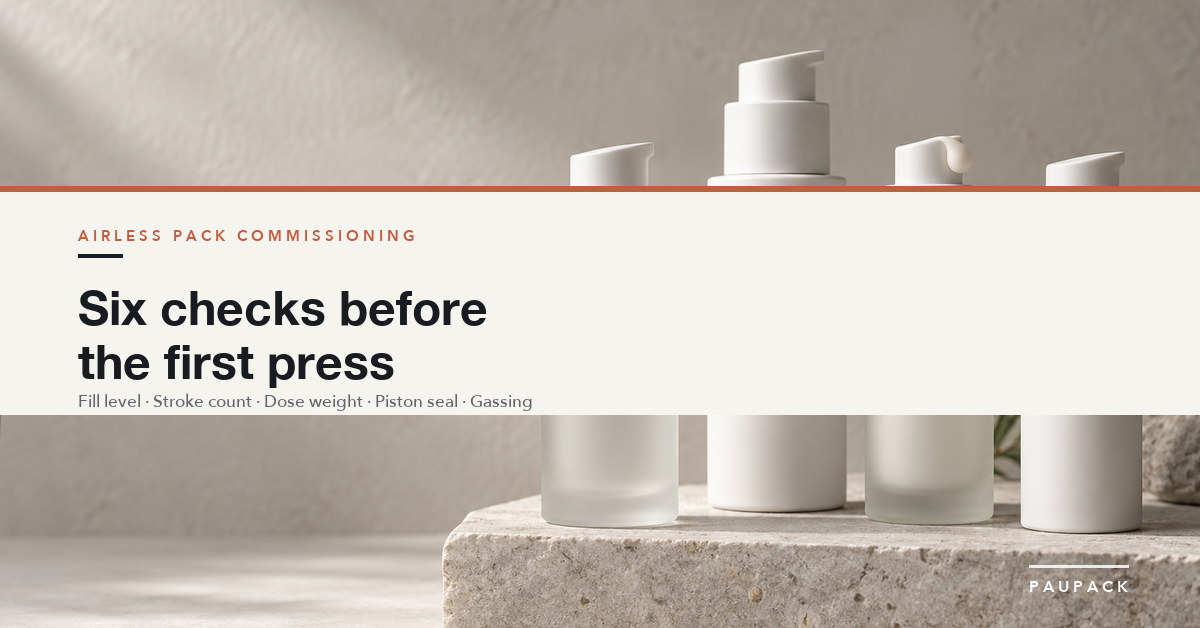


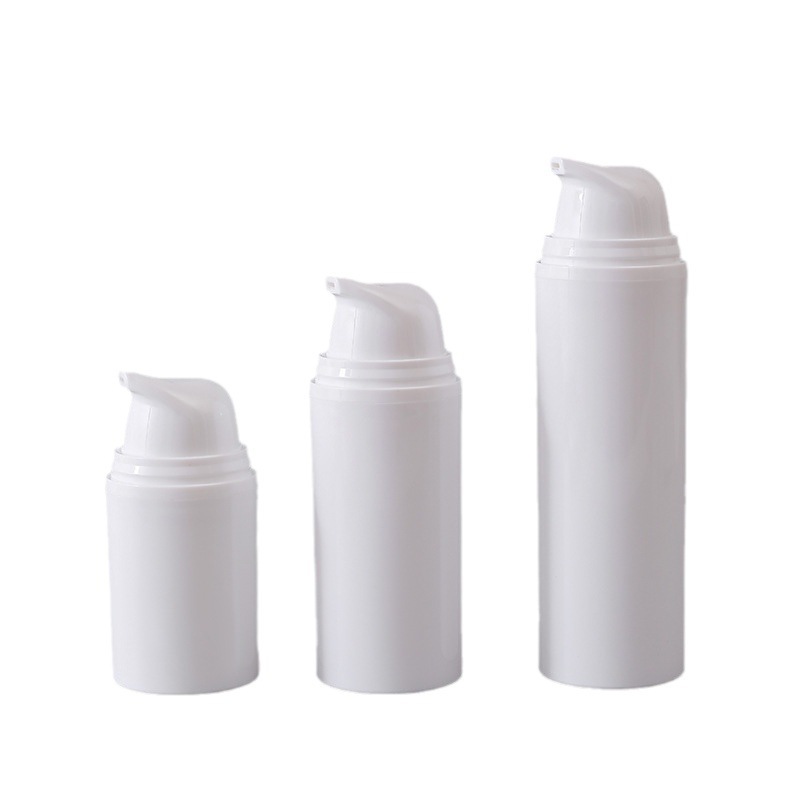
Airless packaging for skincare can fail long before a bottle visibly leaks. PauPack follows the failure chain from formula brief to platform choice, priming, dose delivery, filling-line handling and consumer end-of-use.
Failure Link 1: Selecting a Platform Before Defining the Formula
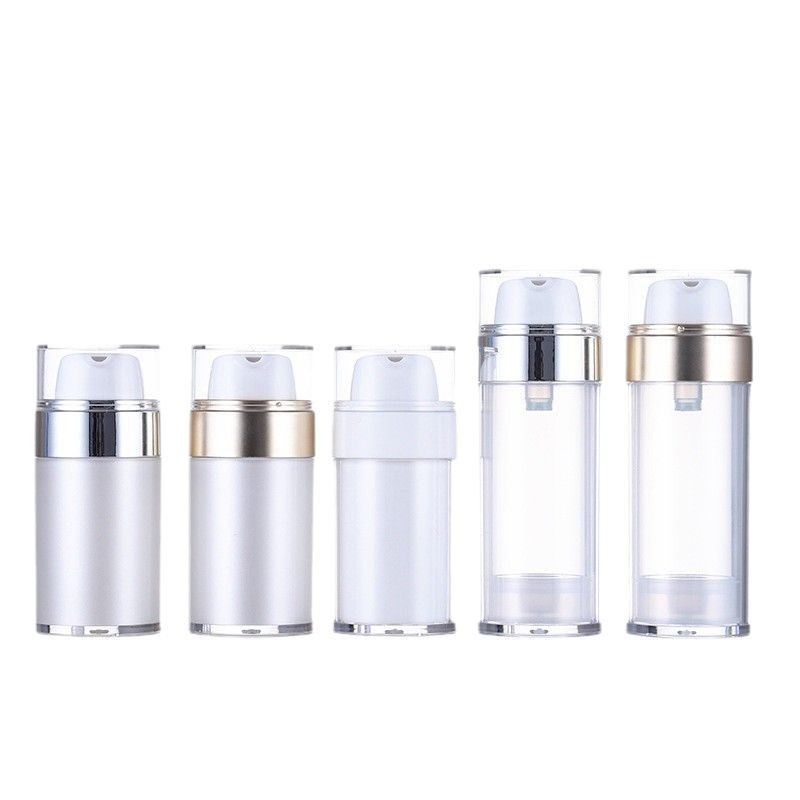
Record viscosity context, fill weight, target output, priming expectation, use orientation and the product owner's compatibility plan. “Airless” describes a dispensing architecture; it does not replace formula-specific verification.
Review PauPack's health and beauty packaging and the airless manufacturer evidence dossier before freezing a component platform.
Failure Link 2: Approving the Pump Without the Filled Bottle
Test priming, output consistency, actuator feel, piston movement, residual product and repeated use with production-style filled samples. A successful empty actuation check does not prove dose delivery.
| Failure signal | Possible interface to investigate | Evidence to retain |
|---|---|---|
| Slow priming | Formula, fill method or pump path | Filled-use observations |
| Variable dose | Actuator, pump or product behavior | Defined output trial |
| Piston stalls | Container geometry or filling condition | Sectioned and retained samples |
| High residual | Dip path, piston travel or use pattern | End-of-use record |
Failure Link 3: Ignoring Filling and Assembly Conditions
Run the intended filling, pump application, coding, labeling and cartoning process. Record equipment settings, sample codes and observations. PauPack's quality management framework connects the line trial to the purchase specification.
Failure Link 4: Measuring First Use but Not End-of-Use
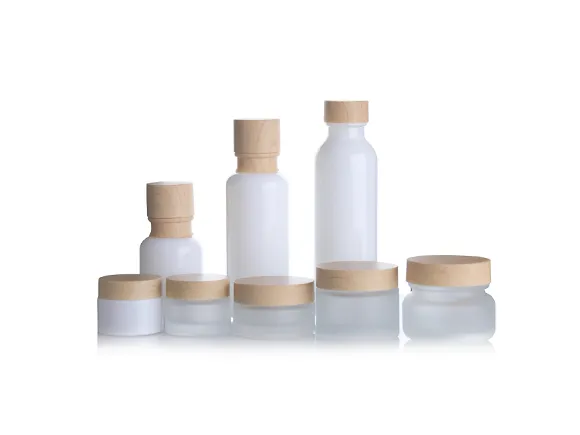
Consumer experience includes activation instructions, one-handed use, dose consistency and product remaining at the end. Decoration and overcaps should also be checked after repeated handling.
Change control closes the chain. Define which modifications to resin, pump, actuator, piston, filling method, decoration or component source require a fresh sample review. Retain sectioned and filled samples with the drawing and artwork version so a reorder can be compared with the approved system.
For airless packaging for skincare, ask suppliers to separate container, pump, decoration and carton pricing. PauPack's design service, services and product portfolio help teams compare complete systems.
PauPack uses the failure chain to make airless packaging for skincare approvals more specific, traceable and useful for production reorders.
Frequently Asked Questions
Does airless packaging eliminate compatibility testing?
No. The product owner should define and approve formula-contact, storage and dispensing verification.
Why can priming differ between samples and production?
Formula condition, fill level, assembly method and component variation can affect the filled dispensing system.
What should an end-of-use test record?
Record dose consistency, piston travel, consumer handling, residual product and any visible component changes.
Should decoration be tested during use?
Yes. Repeated handling, product residue, overcaps and carton contact may reveal issues absent from an empty sample.