

Wholesale honey containers are a fill-to-shelf system, not an empty-jar purchase. Honey behavior, neck access, closure control, label space, case packing and consumer dispensing all affect the sellable unit. PauPack organizes these decisions around five moments so buyers can compare complete packages.
Moment 1: The Fill Enters
Describe viscosity range, temperature boundary as defined by the product owner, particulates where relevant, fill target and equipment contact points. The opening and shoulder should support the chosen filling route. PauPack's food and beverage portfolio provides glass formats for an initial shortlist.

Moment 2: The Closure Takes Control
Identify cap, liner, seal or dispensing feature with the container. Review application method, opening experience, resealing and any product-specific compatibility work defined by qualified owners. PauPack's quality process keeps the matched set tied to its observations.
Moment 3: The Label Meets a Curved Surface
Map the label panel, seam, shoulder, grip zone and mandatory information. Check artwork on a filled production-relevant unit. PauPack's design support connects graphic hierarchy with the actual container geometry.
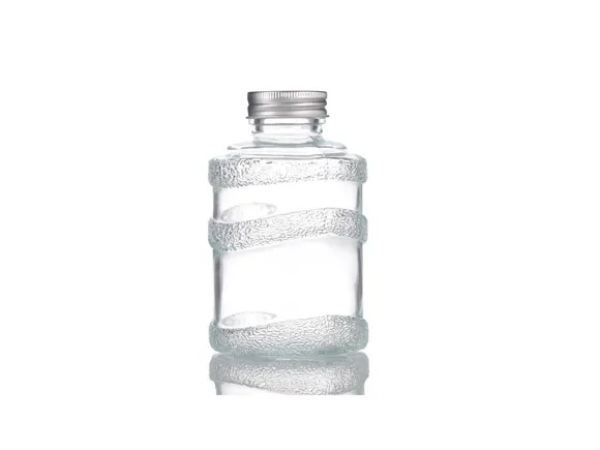
Moment 4: The Jar Becomes a Shipping Unit
For wholesale honey containers, define case count, divider, orientation, marks, pallet pattern and destination handling. Compare quotations on the delivered sellable unit, including closures, cartons, inspection and residual components.
- Record the container and closure codes.
- Keep one approved filled presentation.
- Retain one packed case reference.
- Name the owner of deviations and release.
Moment 5: The Consumer Dispenses
Observe grip, opening, pouring or spoon access, residue around the finish and resealing under the intended use. Also check whether the label remains readable and the container can be handled without obscuring required information. This does not replace food-safety or product validation; it ensures the packaging brief includes the real user moment. PauPack's project services help translate observations into sourcing requirements.
Quote the Whole Route
Send PauPack the fill size, product behavior, closure route, decoration, annual demand and destination. A useful wholesale honey containers request connects the catalog, the honey jar sourcing guide and a documented fill-to-shelf reference.
Ask suppliers to separate container, closure, decoration, packing and delivery assumptions. That makes commercial differences visible before purchase approval.
Define the Buyer—and the Boundary of the Guide
Wholesale honey containers are relevant to honey brands, food packers, distributors and private-label programs that can define their product, filling route, closure, label and delivery conditions. This guide does not approve a food-contact material or validate a filling process. PauPack uses it to organize packaging decisions for review by the customer's qualified food-safety, regulatory and operations owners.
Separate the Commercial Scenarios
Retail jars, squeeze or dispensing formats, gifting, food-service packs and sampler sets have different requirements for neck access, grip, label area, closure and case count. A wholesale honey containers RFQ should identify the channel, fill target, destination, handling conditions and whether the pack is sold individually or in a set. PauPack then connects each scenario to a container and closure route rather than recommending one jar shape for every use.
Write the Technical Container Specification
Record nominal and usable capacity, brimful capacity where relevant, height, diameter, opening, neck finish, glass weight, closure, liner or seal, label panel, coding zone, carton and case count. Add measurement methods, tolerances and drawing revision. For wholesale honey containers, the specification should also name the filling access and intended dispensing method because these interfaces affect operations and consumer use.
Control Food-Contact Materials and Components
The FDA describes food-contact substances as packaging components and other materials that contact food, and provides inventories and guidance through its Food Contact Substances resources. Authorization depends on the substance, intended use and conditions—not on a generic statement that a jar is “food grade.” PauPack keeps supplier declarations, glass, closures, liners, seals, inks, labels and adhesives identifiable so the customer's qualified team can evaluate the complete intended use.
Review Workmanship and Process Evidence
Inspect neck condition, base stability, seams, surface marks, closure application, label position, case dividers and pallet assumptions against written methods. A filled trial may also reveal residue, grip or dispensing concerns. PauPack recommends physical masters and defect boundaries rather than edited reference images. The inspection plan should identify sample basis, severity categories, deviation ownership and the evidence retained for release.
Reserve Space for Destination Labeling
The FDA Food Labeling Guide summarizes U.S. labeling statements and emphasizes that manufacturers and importers remain responsible for current requirements. Other markets have different rules. A wholesale honey containers design therefore needs a controlled information panel, readable net-content presentation and sufficient space for the destination-approved artwork. PauPack supports packaging geometry and artwork implementation while the brand's regulatory owner approves the final label.
Compare Capacity, Lead Time, Cost and OEM Scope
Separate glass production or stock availability, closure procurement, decoration, labels, assembly, inspection, packing and freight booking. A wholesale honey containers quotation should show case multiples, setup charges, spare closures, protective materials and destination assumptions. PauPack defines OEM/ODM ownership for design files, tooling where used, component nomination, packed approval, complaints and change notification. This produces a delivered-unit comparison rather than a misleading empty-container price.
Build a Filled-Sample Learning Plan
Start with identified empty components, then conduct filling and closure observations under conditions defined by the product owner. Review fill access, visible product line, closure application, residue, grip, dispensing and resealing. Follow with decorated samples and a packed case. Each round should answer a specific question and record the sample codes, condition, result, deviation and approver. PauPack keeps appearance and functional observations separate so a label correction does not accidentally approve an unresolved closure or filling issue.
Score the Container Against Retail Tasks
Evaluate shelf identification, information readability, handling, opening, dispensing, resealing, storage and disposal communication. Weight the tasks according to the channel instead of treating every feature equally. A gifting jar may prioritize presentation and secondary packing; a food-service format may prioritize handling and repeat access. PauPack documents the reason behind the selected format. That rationale helps future teams judge whether a proposed lower-cost jar still performs the same commercial and operational job.
Control the Packed Case as a Product
Give the shipping case its own specification: divider material, contact surfaces, case count, orientation, marks, gross-weight limit as defined by operations, pallet pattern and destination assumptions. Retain packed photos and, where appropriate, a tested reference. PauPack links case identity to the sellable container and closure. This matters because a change in divider, orientation or case multiple can affect scuffing, movement, breakage, warehouse handling and the delivered-unit cost even when the jar itself is unchanged.
Create a Complaint-to-Reorder Feedback Loop
Use the same container, closure, label, case and lot codes in filling records, warehouse observations and customer-service reports. Classify the issue, preserve samples where appropriate and name the disposition owner. PauPack then feeds confirmed observations into the next RFQ, inspection plan or packing instruction. The aim is not to treat every complaint as a supplier defect; it is to maintain enough identity and evidence to distinguish product behavior, filling, closure application, transport damage and consumer-use issues.
Set review intervals that match the business rather than waiting for a major complaint. A short post-fill review can capture equipment and closure observations; a warehouse review can examine case handling and damage; a later commercial review can compare returns, breakage, label issues and residual stock. Record both positive and negative outcomes. PauPack uses this balanced evidence to protect successful choices as well as correct weak ones. If a change is proposed, identify the affected lots, remaining components, required samples and destination implications before approving it. This keeps corrective action proportionate and prevents one isolated observation from triggering an uncontrolled package redesign. Keep the final decision and its evidence with the reorder file.
Frequently Asked Questions
Why does neck access matter for honey?
The opening affects filling access, dispensing behavior and the selected closure route.
Should the closure be sourced with the jar?
Approve the identified container, cap and liner or seal as a matched package system.
When should artwork be approved?
Review it on a filled, closed and production-relevant container surface.
What should a delivered-unit quote include?
Include container, closure, decoration, dividers, cartons, inspection and delivery assumptions.
What information belongs in a honey container RFQ?
Include product behavior, fill target, opening, closure, label, quantity, case pack, destination and approval requirements.
Does “food grade” prove suitability for honey?
No. Qualified owners should review identified materials, intended use, contact conditions and destination requirements.
Should liners and seals have separate codes?
Yes. Identified closure components improve compatibility review, inspection, complaint analysis and reordering.
How should glass variation be controlled?
Use drawings, measurement methods, physical appearance masters, written defect boundaries and an agreed inspection plan.
Why compare delivered-unit cost?
The sellable unit includes closures, decoration, labels, dividers, cartons, inspection and delivery assumptions.
When should a honey package be reviewed again?
Review it when the product, filling condition, closure, label, packing method, destination or supplier process changes.