

Understanding the Importance of Food and Beverage Packaging
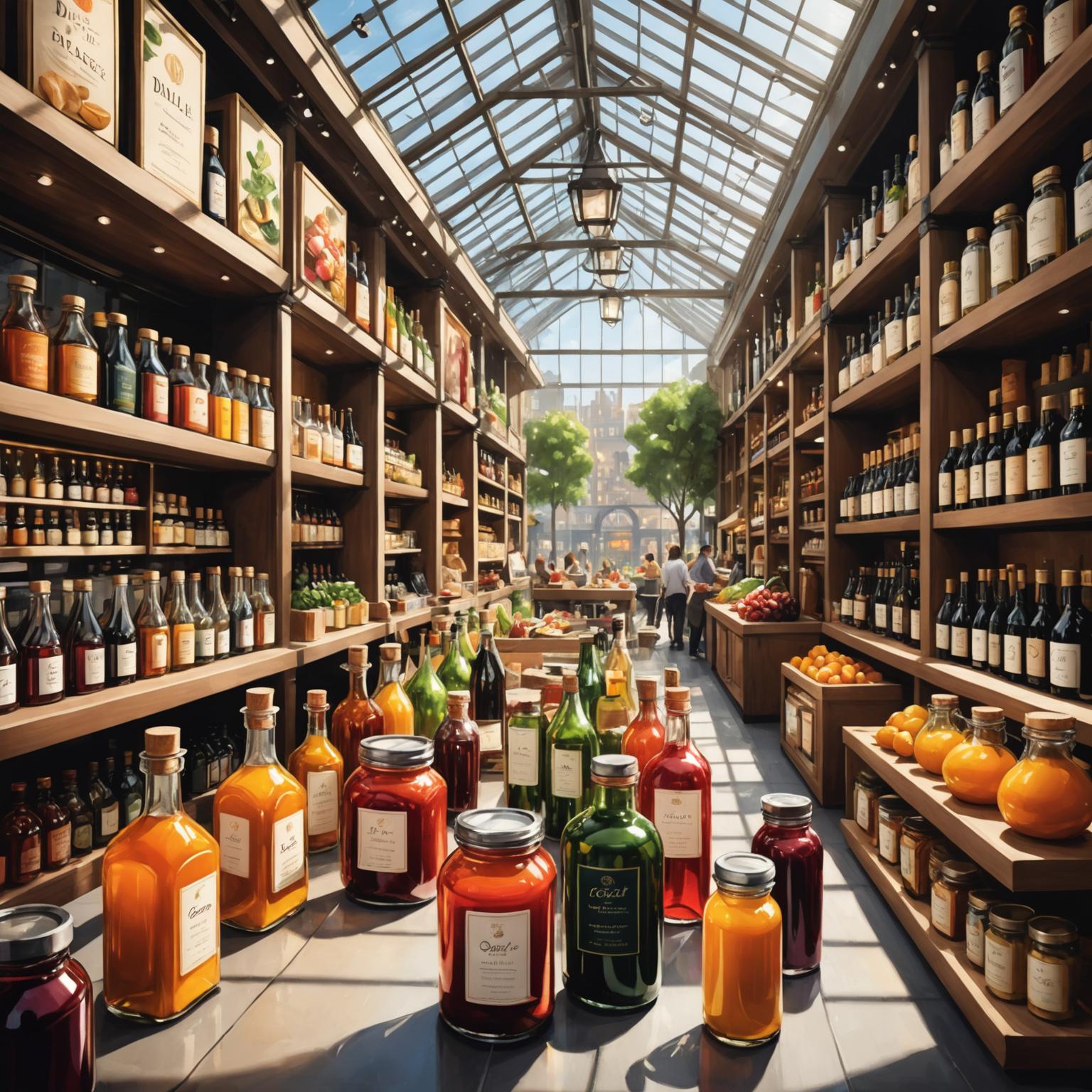
In today’s fast-paced world, food and beverage packaging plays a pivotal role in ensuring the quality, freshness, and safety of consumer goods. Proper packaging doesn’t just serve a functional purpose; it’s also a vital marketing tool that influences consumer purchasing decisions. Whether it's preserving the taste of a fizzy drink or keeping snacks crisp, packaging is at the forefront of ensuring customer satisfaction.
One of the popular methods in this sector is glass packaging. This solution is renowned for its ability to maintain product purity and extend shelf life. Despite the rise of plastic and other materials, the glass packaging market continues to hold a strong position, catering especially to premium products like artisanal beverages and specialty food items. As we explore the current market status of glass packaging, it becomes clear why it’s an integral part of the food and beverage industry.
Trends Shaping the Glass Packaging Market
A closer look at the glass packaging market reveals several trends that are transforming the industry. Glass packaging has long been celebrated for its eco-friendly qualities. Unlike plastic, glass is 100% recyclable, making it a preferred choice for environmentally conscious consumers and brands. Companies are increasingly shifting toward sustainable packaging solutions, and glass has emerged as an attractive option given its potential for endless recyclability without degrading its quality.
Additionally, the demand for premium products has surged in recent years, driving the growth of glass packaging. Consumers associate glass with luxury and sophistication, which prompts manufacturers to use this material for high-end goods such as wine, spirits, gourmet sauces, and organic juices. Beyond its visual appeal, glass packaging also offers unparalleled protection for the contents inside, ensuring a contaminant-free experience for end users.
When examining the current market status of glass packaging, emerging economies are showing remarkable opportunity for growth. As disposable incomes rise and consumers prioritize quality, the adoption of glass packaging is set to expand further, opening doors for innovation and investment.
Steps to Optimize Food and Beverage Packaging
To successfully leverage food and beverage packaging within a competitive market, manufacturers and businesses can follow these actionable steps:
1. **Prioritize Sustainability:** Modern customers are highly aware of their environmental footprint. Opting for eco-friendly materials such as glass or biodegradable plastics can resonate with consumers and strengthen brand loyalty. Consider utilizing innovative packaging solutions that reduce waste and support environmental initiatives.
2. **Focus on Quality Control:** Packaging should not compromise the quality of your product. For example, glass packaging provides a sterile and inert environment, ensuring that the taste and freshness of the food or beverage are preserved until consumption. Using rigorous testing methods during the design and production stages will eliminate any risk of contamination.
3. **Enhance Aesthetic Appeal:** Visually appealing packaging can differentiate your product from competitors on store shelves. With glass packaging, you can experiment with unique shapes, colors, and custom branding to grab attention and appeal to a premium market.
4. **Stay Updated with Market Needs:** Consumer preferences evolve with time, so it’s imperative to remain informed about changing market demands. For instance, the rise of health-conscious lifestyles has bolstered the popularity of smaller serving sizes, and manufacturers are now designing single-serve, portable glass packages to cater to the convenience needs of this demographic.
5. **Implement Smart Packaging Technologies:** As technology evolves, the food and beverage packaging industry has seen a rise in smart solutions. QR codes on packaging, for instance, can provide additional product information, while temperature-sensitive indicators offer real-time data on a product’s quality status. Combining functionality with innovation can enrich the consumer experience.
Overcoming Challenges in Food and Beverage Packaging
While advancements in packaging technology are exciting, businesses must address particular challenges. One key issue is cost. Glass packaging, while beneficial in many ways, tends to be more expensive than alternatives like plastic or cardboard. This can deter brands working with tight budgets. Companies can mitigate these costs by exploring partnerships with suppliers and reducing packaging material weight without compromising strength.
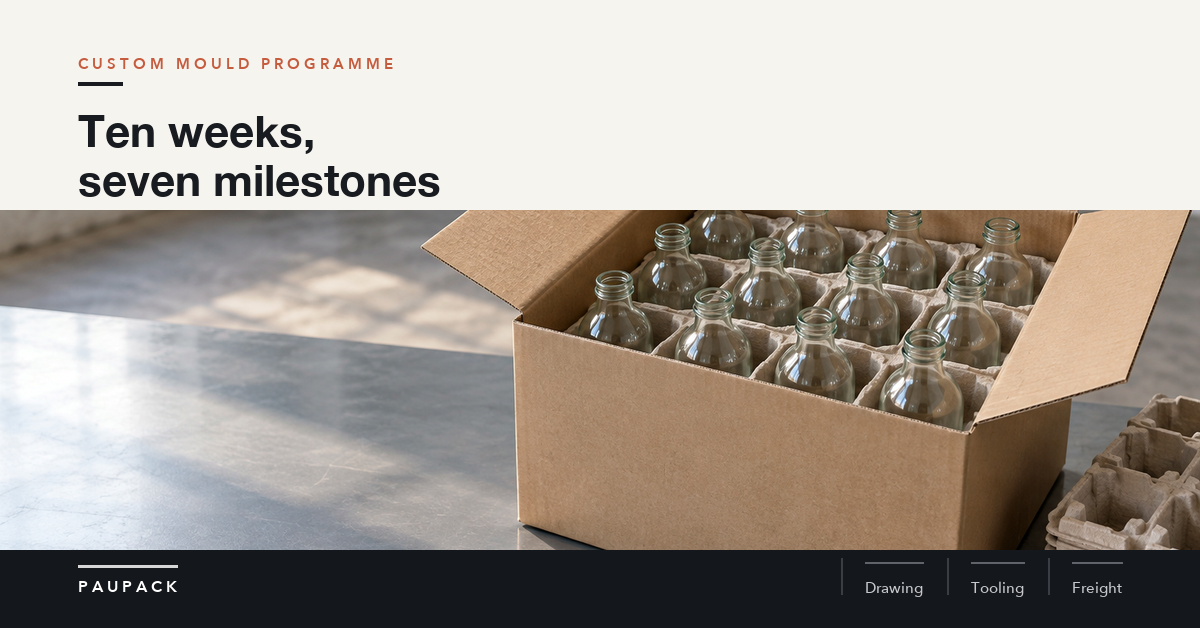
Another challenge is logistics. Glass, being fragile, requires special handling during transportation, which increases shipping costs and the risk of breakage. Manufacturers can address this hurdle by working with experts in supply chain management to optimize storage and shipping processes. Moreover, advancements in tempered glass or protective packaging solutions are helping to mitigate this issue.
Lastly, sustainability mandates and regulations are becoming stricter across the globe. Companies need to remain compliant by adopting recyclable packaging materials and reducing waste. In the long term, compliance with these regulations can help brands position themselves as eco-friendly and win consumer trust.
The Future of Food and Beverage Packaging
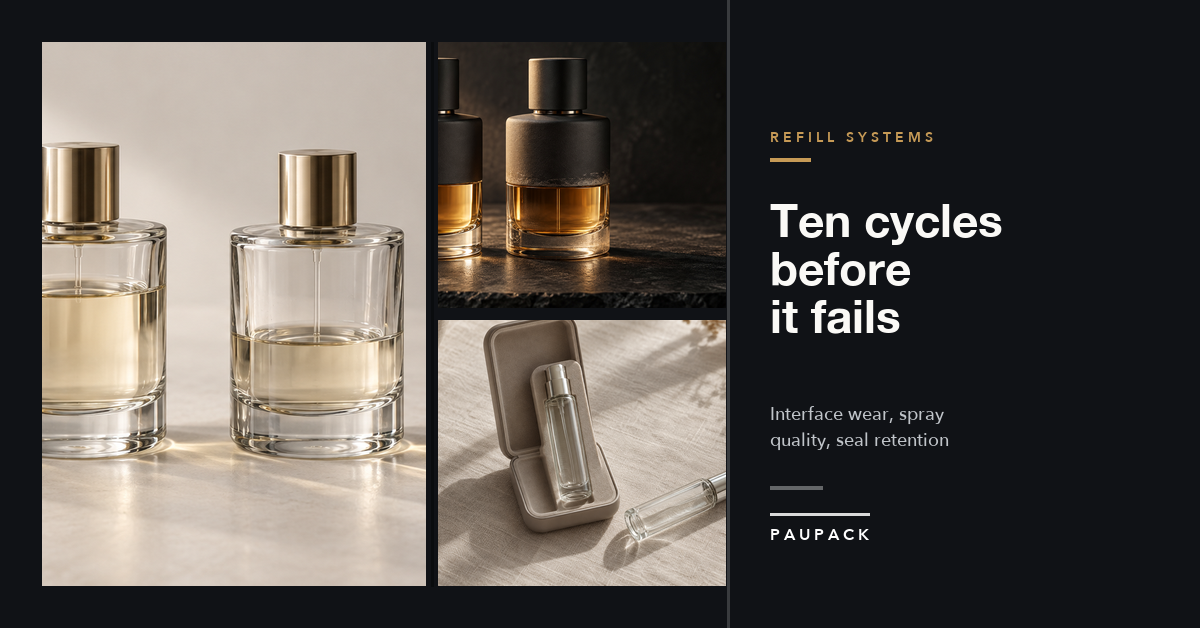
As the industry embraces technological advancements and sustainability goals, the future of food and beverage packaging looks promising. Glass packaging is expected to maintain its relevance, especially in sectors prioritizing premium quality and safety. Innovations like lightweight glass and reusable packaging systems are likely to dominate the market, offering businesses cost-effective and eco-conscious solutions.
Moreover, collaboration between packaging manufacturers and technology developers will unlock exciting possibilities. From smart labels that monitor product conditions to augmented reality experiences associated with custom packaging designs, the opportunities are boundless. Companies that invest in research and development today are poised to lead the market tomorrow.
In conclusion, food and beverage packaging is far more than just a container for consumables—it’s a crucial aspect of branding, sustainability, and economic growth. Glass packaging, in particular, continues to build its legacy in the industry, thanks to its unbeatable attributes. By understanding consumer preferences, addressing challenges, and adopting innovative practices, companies can ensure they stay ahead of the curve in this dynamic field.