


-
The Evolution of Cosmetic Glass Packaging: Trends, Materials, and Innovations
The cosmetics industry is undergoing a significant transformation, with glass packaging at the forefront of this evolution. As consumers become more discerning, their preferences are shaping new trends in design, materials, and functionality of glass packaging. This article delves into the latest trends in glass packaging within the cosmetics sector, highlighting innovative design styles, material advancements, and functional enhancements that are redefining the industry landscape.
Emerging Design Styles in Glass Packaging
1. Minimalist and Sleek Aesthetics
In 2025, cosmetic brands are embracing minimalist and sleek designs in glass packaging. Clean lines, subtle curves, and understated elegance are becoming the norm, reflecting a modern aesthetic that appeals to a broad consumer base. This shift towards simplicity not only enhances the visual appeal but also aligns with the sustainable values that many brands are adopting.
2. Customization and Personalization
Customization is another prevailing trend. Brands are offering personalized packaging solutions, allowing consumers to have a unique and tailored experience. This includes:
-
Engraving
-
Bespoke Shapes
-
Limited-Edition Designs
These features cater to individual preferences, strengthening brand loyalty and engagement.
Innovative Materials and Sustainability
1. Recycled Glass for Eco-Friendly Packaging
Sustainability is at the core of material innovation in glass packaging. Brands are increasingly utilizingrecycled glassto reduce environmental impact. This approach conserves resources and appeals to eco-conscious consumers who prioritize environmentally friendly products.
2. Lightweight Glass Technology
Lightweight glass technology is gaining traction. By reducing the weight of glass containers without compromising durability, brands can:
-
Lowertransportation emissions
-
Reducelogistics costs
This advancement aligns with the global push towards more sustainable packaging solutions.
Functional Enhancements in Glass Packaging
1. Airless Glass Containers for Product Protection
Functionality is a critical aspect of modern glass packaging.Airless glass containersare emerging as a popular choice, especially for products sensitive to oxidation. These containers:
-
Protect productintegrity
-
Extendshelf life
-
Ensure consumers receive the product in its optimal state
2. Smart Packaging Integration
The integration of smart features into glass packaging is on the rise. Some brands are embeddingQR codesandNFC (Near Field Communication) tagsinto their glass containers, providing consumers with:
-
Instant access toproduct information
-
Tutorials and brand stories
This fusion of technology and packaging enhances the user experience and fosters a deeper connection between the consumer and the brand.
PauPack: Pioneering Innovation in Glass Packaging
AtPauPack, we are committed to leading the charge in innovative glass packaging solutions. Our design philosophy centers on blendingaesthetic appealwithfunctional excellence. We offer a range ofcustomizable glass containersthat meet the highest quality standards and reflect the unique identity of each brand we partner with.
Our dedication tosustainabilityis unwavering. We utilizerecycled materialsin our production processes and are continually exploring new ways to minimize ourenvironmental footprint. By embracing cutting-edge technologies and sustainable practices,PauPackis setting new benchmarks in the cosmetics packaging industry.
Conclusion
The trends in glass packaging for the cosmetics industry in 2025 are characterized by a harmonious blend ofminimalist design,sustainable materials, andenhanced functionality. Brands that adapt to these trends are not only meeting the evolving demands of consumers but are also contributing positively to environmental sustainability. As the industry continues to innovate, glass packaging will remain a pivotal element in defining thesuccess and identityof cosmetic products.
Frequently Asked Questions
1. Why is minimalist design becoming popular in glass packaging?
Minimalist design appeals to consumers seekingsimplicity and elegance. It also aligns with sustainable practices by reducing unnecessary materials and focusing on essential elements.2. How does recycled glass benefit the environment?
Using recycled glass reduces the need for raw materials, lowersenergy consumptionin production, and minimizes waste, contributing to a more sustainable environment.3. What are airless glass containers, and why are they important?
Airless glass containers preventair from enteringthe product, protecting it fromoxidation and contamination. This is crucial for preserving theefficacy and shelf lifeof sensitive cosmetic formulations.4. How is technology integrated into glass packaging?
Brands are embeddingQR codesandNFC tagsinto glass packaging, allowing consumers to accessdigital contentsuch as product information, usage tutorials, and brand stories, enhancing the overall user experience.5. What makes PauPack a leader in glass packaging innovation?
PauPack Combosaesthetic designwithfunctional excellence, offerscustomizable solutions, and is committed tosustainabilityby usingrecycled materialsand adoptingeco-friendly practices, positioning itself as a pioneer in the glass packaging industry.By staying abreast of these trends and innovations, brands can effectively meet consumer expectations and contribute to a more sustainable and engaging future in the cosmetics industry.
-
Market Trends
The cosmetics industry is undergoing a major transformation
Posted by PauPack OnMar 06 2025
Featured Blogs
Request for Free Samples
Featured Blogs
Refillable Fragrance Bottle: Cycles and Wear | PauPack
PauPack tests a refillable fragrance bottle across ten fill cycles, covering interface wear, gasket set, decoration abrasion and the faults that reach support queues.
PLA Bottle Compostability: Where It Breaks Down | PauPack
PauPack breaks PLA bottle compostability into the four streams a pack really meets, and sets the wall thickness, heat limit and label wording behind a defensible claim.
PCR Content Verification: The Evidence Chain | PauPack
PauPack walks through PCR content verification: mass balance versus segregation, the four documents behind a claim, and how to audit a supplier in one afternoon.
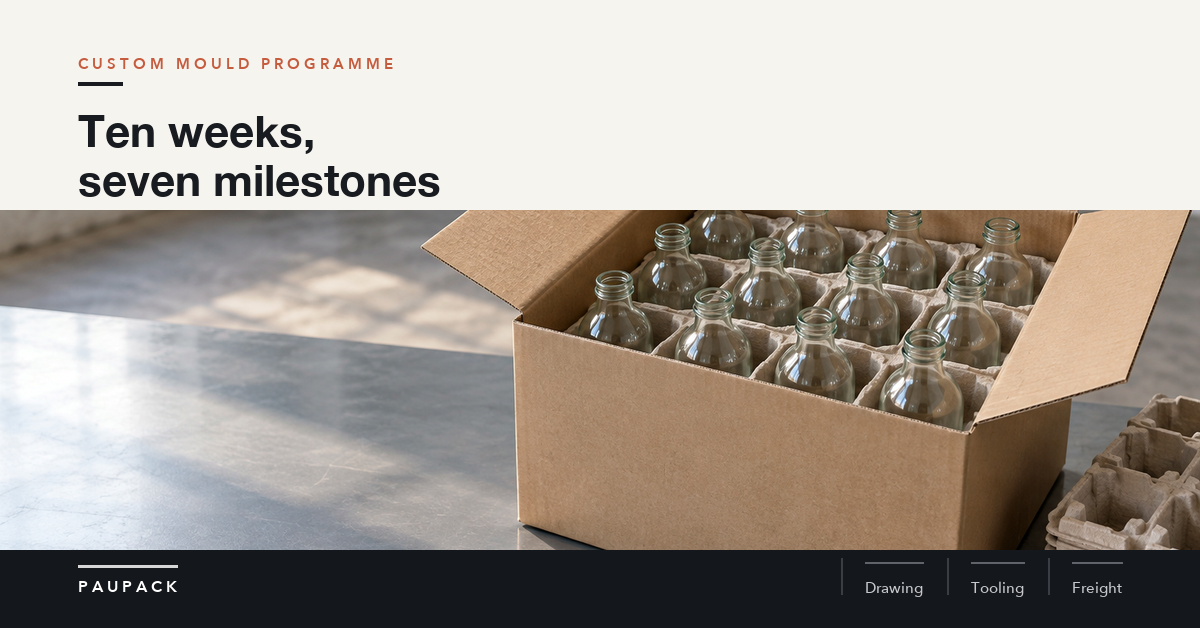
Custom Bottle Delivery: A Ten-Week Plan | PauPack
PauPack maps custom bottle delivery week by week, from drawing approval and tooling to freight, and names the milestone owners and the usual delays.
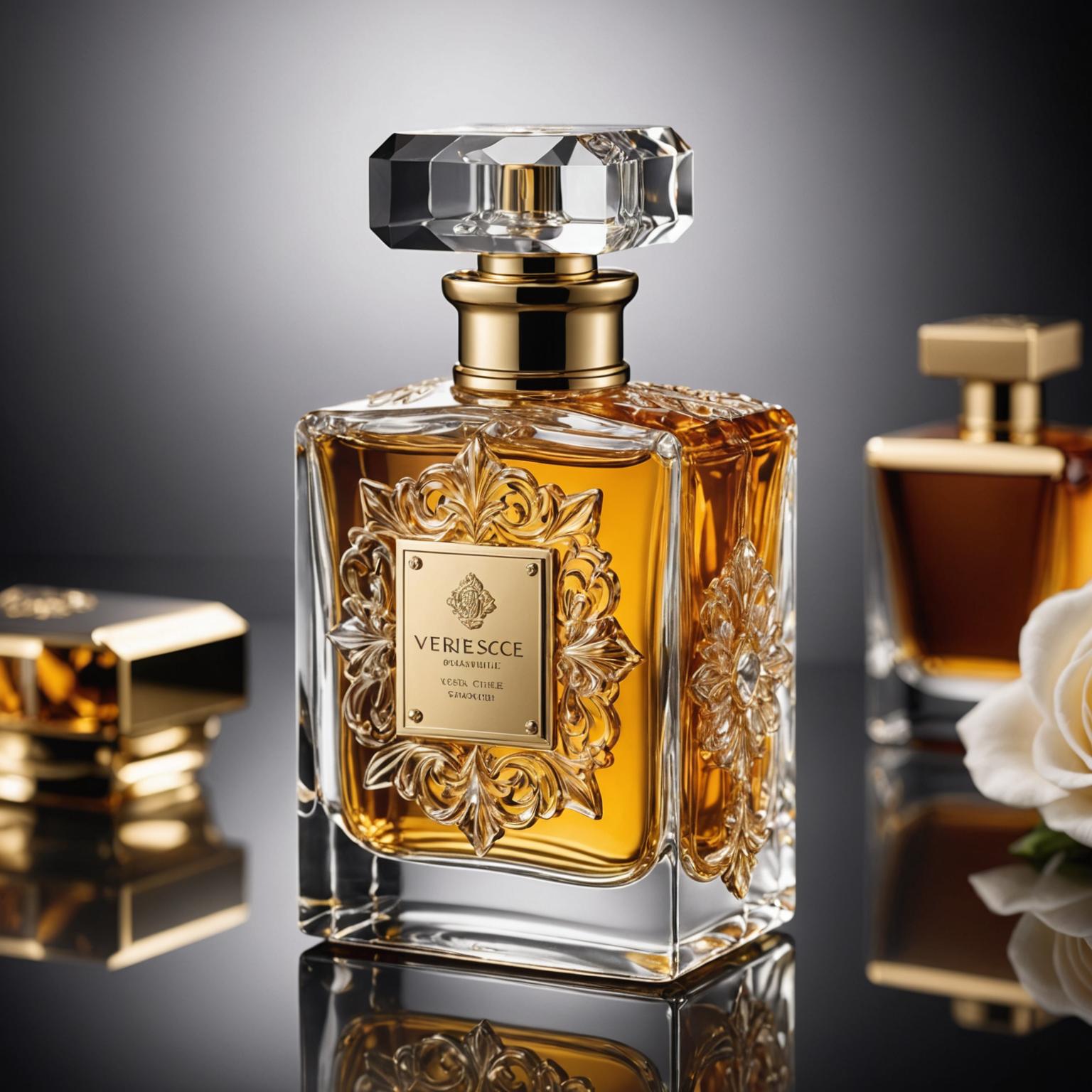
PCR Bottle Manufacturer, PLA Sugarcane Blend Wholesaler, & Sugarcane Plastic Factory Boosts Brand
In an era where 73% of American consumers prioritize sustainable brands (Nielsen 2024), choosing eco-friendly packaging isn’t just a trend—it’s a business imperative. This blog breaks down how collaborating with a specialized PCR bottle manufacturer for brand sustainability, a trusted PLA sugarcane blend bottle wholesaler, and a reliable sugarcane plastic packaging bottle factory can elevate your brand’s green credentials, reduce carbon footprints, and capture the $150B U.S. sustainable packaging market. We’ll share actionable insights on selecting partners, optimizing costs, and aligning packaging choices with consumer expectations to drive long-term growth.
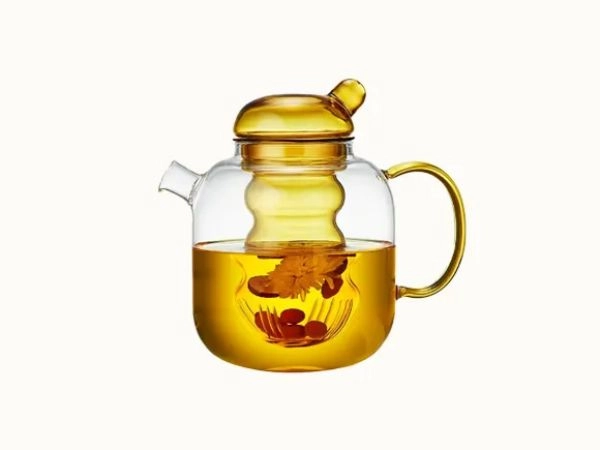
Choosing the Best Empty Essential Oil Bottle Supplier: Wholesale Options & Distributor Tips
For essential oil brands, aromatherapy startups, or handmade skincare businesses, the quality of empty essential oil bottles directly impacts product experience and brand reputation. This article explores three core areas—selecting an empty essential oil bottle supplier, key considerations for wholesale empty glass bottles, and the benefits of partnering with an essential oil bottle distributor—to provide a practical 2025 purchasing guide. It helps you avoid procurement pitfalls, reduce supply chain costs, and boost product competitiveness in the global market.