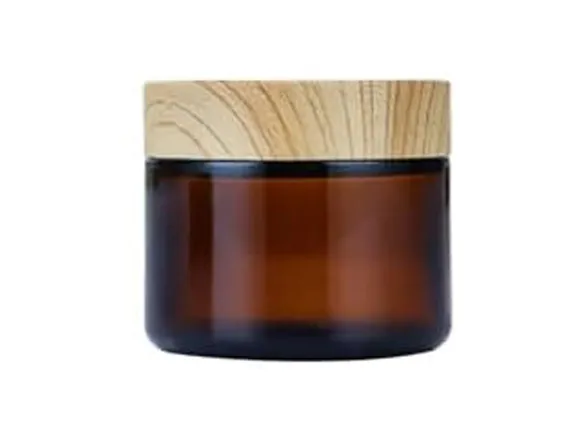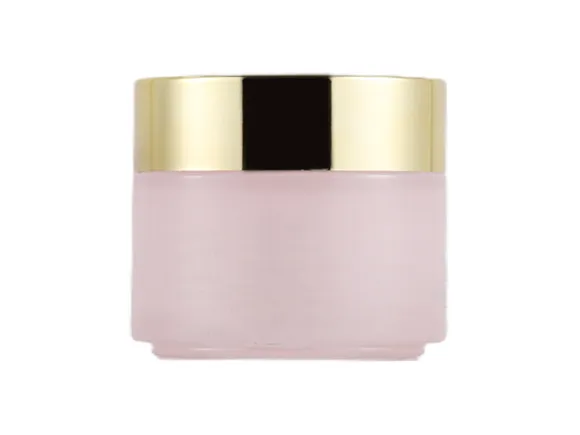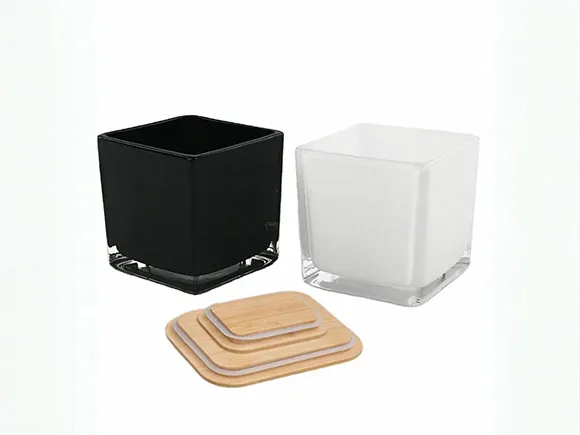


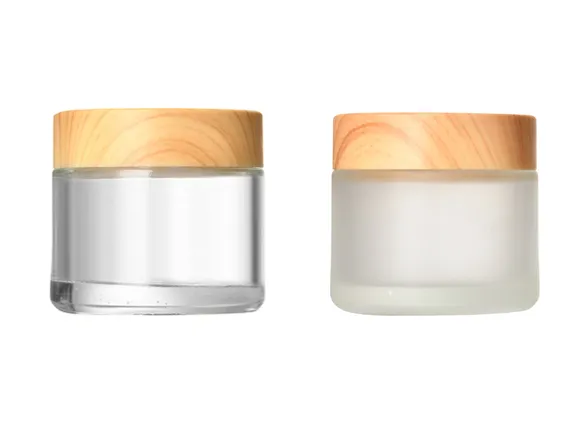
Refillable packaging only works when the primary jar, refill unit, closure, consumer routine and reverse or disposal route form a practical system. A heavier jar with a removable insert is not automatically a better environmental outcome.
Buyers evaluating refillable cosmetic jars should begin with a refill-cycle map, then test every handoff from filling to repeated consumer use.
Map the Complete Refill Cycle
| Stage | Decision | Evidence |
|---|---|---|
| Factory filling | Primary jar or refill filled first | Line trial and component codes |
| First assembly | Insert locks into outer jar | Repeated assembly samples |
| Consumer use | Product can be accessed cleanly | Formula-filled use trial |
| Refill change | Empty insert can be removed safely | Instruction and handling review |
| Next cycle | New insert fits the retained jar | Multi-cycle compatibility test |
PauPack's glass cream jar range and health and beauty packaging provide starting formats.
Choose the Refill Architecture
Compare a removable inner cup, replaceable cartridge, return-and-refill pack or reusable jar paired with a lightweight refill pouch. Each route changes sealing, filling, instructions, minimum orders and what the consumer must keep.
Write down which component is durable, which is replaced and how many realistic cycles the product owner intends to validate.
Test the Locking Interface

The refill should install consistently without rocking, rotating unexpectedly or creating an uneven rim. Test multiple jars and inserts because one matched pair does not represent production variation.
Check removal force, installation force, alignment, closure fit and whether product residue reaches the interface.
Validate with the Actual Formula
Use the intended formula to assess access, residue, cleaning expectations and compatibility. The product owner should define stability and compatibility requirements with qualified specialists.
Do not imply that the consumer must wash a component unless instructions, materials and product use have been reviewed for that routine.
Build the Decoration for Long-Term Use
The outer jar may remain while refill artwork changes. Put durable brand elements on the retained component and variable information on the refill or carton where practical.
PauPack's design service can help separate permanent and SKU-specific artwork.
Model Inventory by Component
Track outer jars, refill inserts, lids, inner discs, labels and cartons separately. The refill minimum may be lower or higher than the durable jar minimum.
Create a first-order ratio and a reorder ratio. The first order may need one outer jar per consumer, while later orders may contain more refills than outers.
Write a Multi-Cycle Test Card
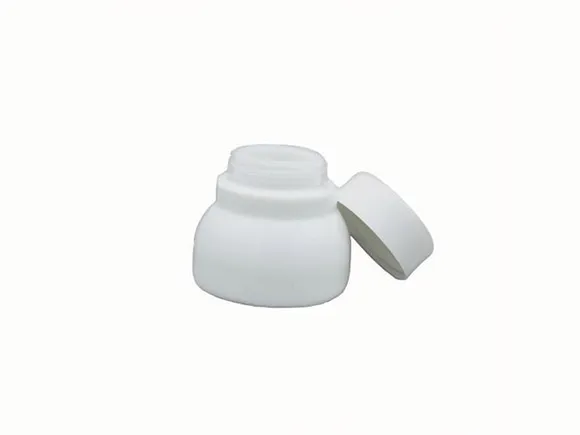
Record assembly, opening, closing, refill removal, new refill installation, leakage observations, decoration wear and carton fit over several intended cycles. Retain the original and final samples.
Use PauPack's quality management and services when defining inspection and packing requirements.
Avoid Unsupported Sustainability Claims
Describe the actual system: retained components, replaceable components, materials, weights and tested cycles. Broader environmental claims require appropriate evidence for the target market.
Prepare the RFQ
Provide formula type, fill weight, outer jar, refill format, closure, cycle expectations, decoration, quantities for first order and reorders, tests, cartons and destination.
Strong refillable cosmetic jars make the refill action simple and keep component specifications controlled across multiple orders.
Compare the system with PauPack's cosmetic jars wholesale guide so shared lids, cartons and inspection rules are planned across the wider skincare range. A documented refillable cosmetic jars specification also gives customer service teams a reliable reference for replacement instructions.
Frequently Asked Questions
What makes a cosmetic jar refillable?
A defined replaceable or refill process, compatible components and a validated repeated-use routine make the system refillable.
Should refill jars be tested for several cycles?
Yes. Test the intended number of assembly, use and replacement cycles with production-style components.
What controls refill packaging MOQ?
The outer jar, insert, lid, decoration and cartons can each have separate minimums.
What should a refillable jar RFQ include?
Include formula, fill, component architecture, quantities, cycle tests, artwork, packing and destination.