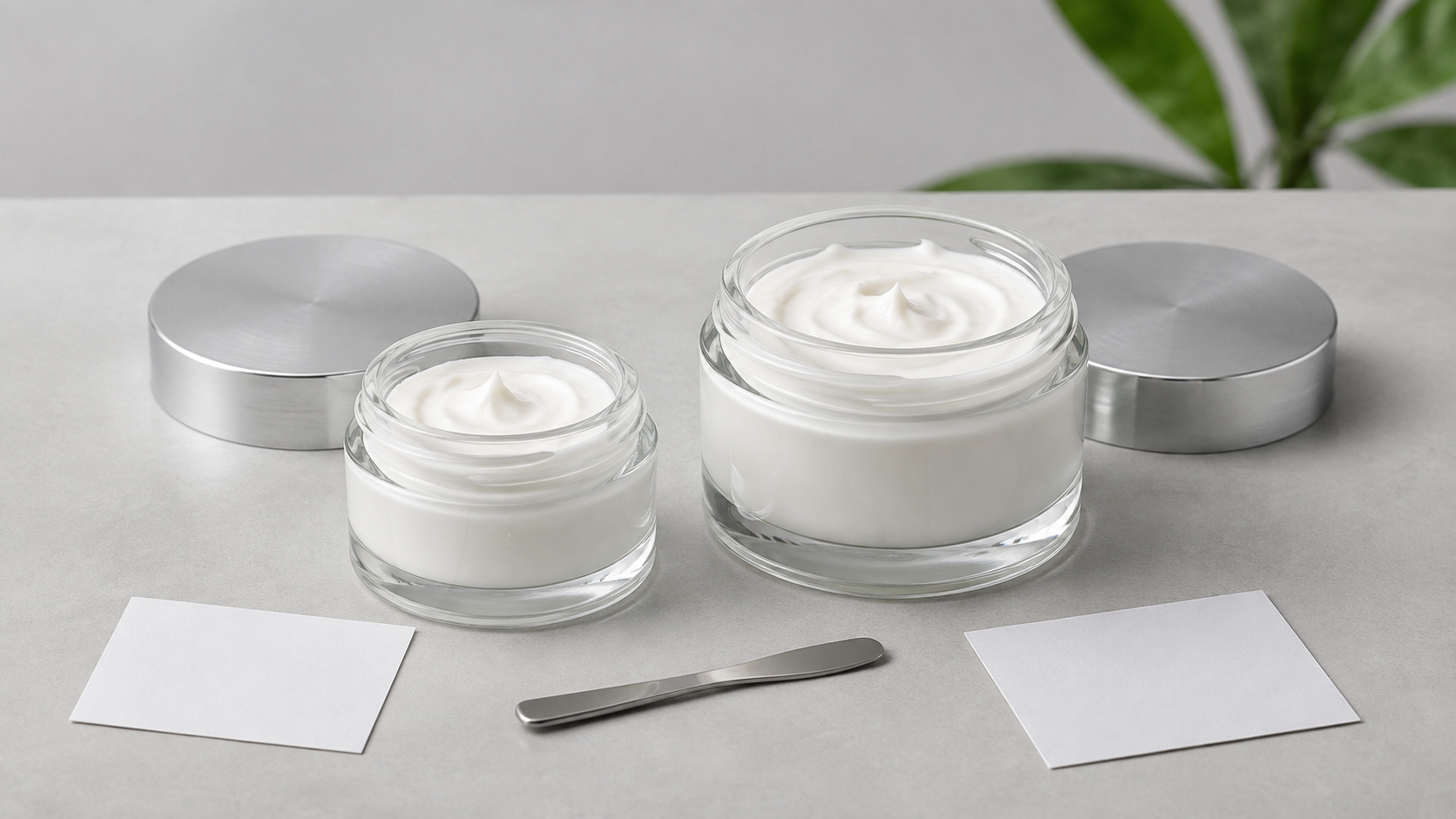


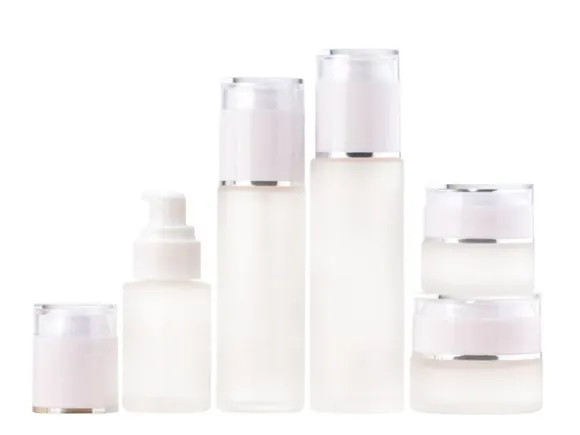
A lotion package succeeds only when four interfaces work together: formula to pump, pump to bottle, bottle to filling line, and finished pack to distribution. Choosing the bottle by shape first can hide problems until decorated samples or line trials.
When evaluating a lotion bottle with pump manufacturer, start with a compatibility blueprint. It gives the supplier enough information to recommend a component system instead of sending a catalog of unrelated bottles.
Interface 1: Formula to Pump

The first question is not glass or plastic. It is how the intended formula moves through the dispenser.
Document:
- General product type and texture
- Target dose per actuation
- Expected number of uses
- Consumer application area
- Storage orientation and use environment
- Any ingredients or properties the technical team considers relevant to compatibility
Use the actual formula during sample testing. Water can confirm that a pump moves liquid, but it cannot confirm dosage, priming or residue behavior for the final product.
| Product scenario | Pump priority | Buyer observation |
|---|---|---|
| Lightweight body lotion | Comfortable repeat use | Is the dose appropriate for a larger application area? |
| Facial emulsion | Controlled, smaller dose | Does the actuator support precise use? |
| Rich hand cream | Product movement and actuation force | Does dispensing remain consistent after storage? |
| Hotel or travel lotion | Closure security and compact handling | Does the package tolerate repeated transport? |
PauPack's health and beauty packaging and lotion bottle range provide useful starting points for component comparison.
Interface 2: Pump to Bottle
The pump and bottle should be specified as one assembly. Confirm the neck finish, dip-tube length, gasket or sealing elements where applicable, collar position and installed height.
Ask the supplier to provide:
- Bottle drawing and neck dimensions
- Pump model and dosage reference
- Dip-tube specification
- Closure application method
- Installed component height
- Available lock, clip or overcap options
A visual match is not enough. The pump must assemble consistently on production bottles and remain secure during filling, packing and use.
Interface 3: Bottle to Filling Line
Send samples and dimensions to the filling partner early. The filler may need to review bottle stability, conveyor handling, filling nozzle clearance, pump application and line speed.
Create a line-trial checklist:
- Empty bottle feeding and stability
- Fill accuracy with the actual product
- Headspace and visual fill line
- Pump or closure application
- Coding and label application
- Leak checks after assembly
- Carton packing and identification
If manual assembly is planned for the first order, record the labor steps so the brand can compare them with future automated production.
Interface 4: Finished Pack to Distribution
The retail bottle is only one part of the distribution system. Review the pump lock, overcap, shrink or secondary protection if used, retail carton, dividers and export carton.
For e-commerce, assess the complete pack against relevant handling conditions. For distributor cartons, confirm glass-to-glass separation and pump protection. The test plan should reflect the actual route rather than a generic claim of being shipping safe.
PauPack's quality management and services pages can support the inspection and packing portion of the project brief.
Choose Material After the System Requirements Are Clear
Glass can provide visual weight and a strong finish surface. Plastic can reduce package weight and support different impact and dispensing needs. Neither is automatically better.
Compare:
- Formula and component compatibility
- Filling and assembly requirements
- Weight and breakage considerations
- Decoration methods
- Color and finish consistency
- Distribution route
- Brand position and consumer handling
If a jar is also being considered for richer products, compare the bottle program with PauPack's glass cream jars rather than forcing every SKU into one format.
Build Decoration Around Grip and Moving Parts
Map the label panel, print area, seam, pump collar and grip surfaces before artwork is finalized. Coating or printing should not interfere with assembly or make handling marks more visible than expected.
Approve decoration in three views:
- Front-facing retail view
- Full rotation under consistent lighting
- Packed view inside the carton or set
Then test normal handling, pump assembly and carton contact points.
Ask for Three Commercial Configurations
A strong lotion bottle with pump manufacturer quotation should make customization choices visible.
| Configuration | Scope | Decision use |
|---|---|---|
| Stock system | Existing bottle, pump and standard finish | Feasibility and focused launches |
| Decorated stock | Existing components with printing, labels, coating or selected color | Brand differentiation without new bottle tooling |
| Custom system | New or modified bottle, pump, cap or decoration program | Larger programs needing structural ownership |
Compare each configuration using the same quantity, packing, inspection, delivery and destination assumptions.
Evidence to Request from the Supplier
Brand claims are less useful than project evidence. Request documents and samples that help the team make a decision:
- Component drawings and specifications
- Physical samples from the proposed system
- Decoration samples on the real material
- Packing proposal
- Inspection criteria
- Production and reorder assumptions
- A clear list of tests the brand or filler must complete
PauPack's custom design service can help connect artwork and component decisions to a production-ready brief.
Prepare the RFQ
Provide formula type, capacity, target dose, bottle material, pump style, quantity by SKU, color, decoration, filling method, retail carton, export packing, destination and timing.
The right lotion bottle with pump manufacturer should help identify missing decisions, not simply quote the first image in the inquiry.
Frequently Asked Questions
What should be tested on a lotion pump bottle sample?
Test the actual formula for priming, dosage, repeated use, leakage, pump fit, filling compatibility, decoration durability and carton protection.
Can one lotion pump work with every formula?
No. Product texture, dose, pump design and filling process must be evaluated together.
What changes the MOQ for a custom lotion bottle?
MOQ can change with the bottle model, material, color, pump, decoration, carton and any custom component or tooling requirement.
What belongs in a lotion bottle RFQ?
Include formula type, capacity, dose, quantity, material, pump, color, decoration, filling method, tests, packing, destination and timing.