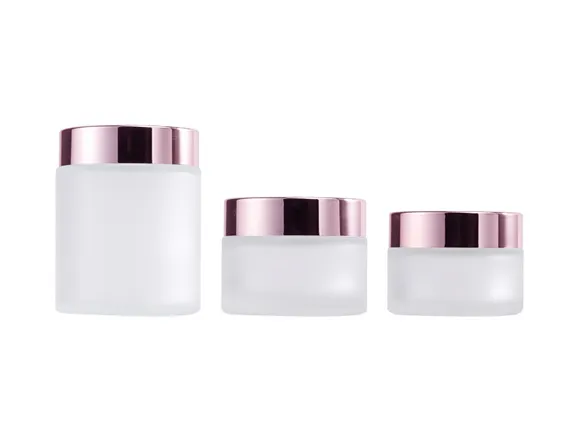


Pharmacy glass jars make sense when the product, user and filling process genuinely benefit from a wide opening. They are a poor choice when the brief begins and ends with a vintage silhouette. PauPack starts with the dosage form, access method, storage conditions, closure duty and market before comparing clear, amber or decorated glass.
The short answer is practical: choose a jar when access, fill geometry and product removal favor a wide mouth, then qualify the jar and closure as one system. Choose another format when controlled dispensing, restricted access or the filling route points elsewhere. No generic material claim can replace that decision.
The 60-Second Decision: Jar, Bottle or Another Format?
Put three questions on the table. How will the product enter the container? How will the user remove it? What must the closed pack protect during its life? A wide jar may simplify filling and access for tablets, powders or other suitable products, but it also exposes a broader opening each time the package is used. A narrow bottle changes access and may support a different closure or dosing route.
PauPack treats this as a format decision, not a catalogue hunt. The responsible product team must still establish whether the proposed package is suitable for the actual formulation and regulated use.
Use the Dosage-Form Table Before Looking at Color
| Buyer question | A jar may help when | A jar may be wrong when | Evidence owner |
|---|---|---|---|
| How is the product filled? | A broad opening supports the validated filling and cleaning route | The process requires a narrow or specialized container interface | Manufacturing and packaging engineering |
| How is product removed? | Direct access is intended and controlled | A measured drop, pour or device-led dose is required | Product, human-factors and regulatory teams |
| Who will open it? | The closure and instructions match the intended user | Access restrictions or special packaging have not been resolved | Regulatory and safety owners |
| What must be protected? | The identified system has suitable product-specific evidence | Color or thickness is being used as a substitute for evidence | Quality and technical owners |
| Where will it travel? | The filled, labeled and packed system has a defined route | Only an empty display sample has been reviewed | Quality and logistics |
This table keeps pharmacy glass jars tied to a real use case. It also makes a valuable “not for” boundary visible before decoration or price begins to steer the project.
Write the Product Boundary in One Paragraph
A useful brief names the product category and dosage form, nominal quantity, intended user, route of administration when relevant, contact time, storage, distribution, opening pattern, markets and applicable internal requirements. Avoid asking a supplier whether a generic jar is “pharma grade.” Ask what evidence supports an identified component under stated conditions.
PauPack can organize component information and samples, but only the product owner can define the regulatory and technical boundary. That division of work protects both sides from a vague approval that later travels beyond its evidence.
The Opening Is a Functional Interface, Not Empty Space
Rim outside diameter, inner opening, thread or lug geometry, sealing land, finish height and top flatness influence closure engagement and access. The jar body also affects filling, labeling, case packing and the way product reaches corners. Nominal capacity alone cannot describe those interfaces.
For pharmacy glass jars, PauPack asks buyers to review drawings and several physical units from a representative lot. Measure the features that control the chosen closure and process. Define the method, condition and acceptance owner rather than collecting measurements with no release rule.
Approve the Closure System as a Named Pair
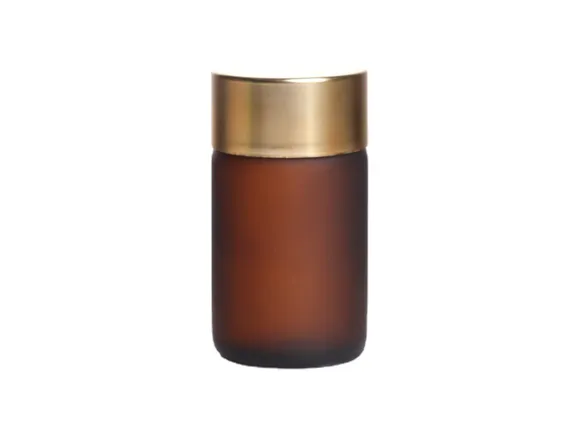
A cap description is not a complete specification. Record the closure code, resin or metal construction as applicable, liner or sealing element, tamper feature, application method, engagement, installed height and supplier. Observe opening and reclosing with the intended user and filled product conditions.
The FDA's final container-closure systems guidance emphasizes product-specific information and the complete system rather than isolated components. The responsible regulatory team should determine which current guidance and requirements apply. PauPack uses that system view when coordinating jar and closure samples.
Amber Is a Description; Protection Needs Evidence
Clear glass makes the contents visible. Amber glass or a colored finish changes appearance and may be selected when a project has a defined light-protection need. The decision cannot rest on a photograph or a color name. State the relevant requirement, identify whether color comes from the glass or a coating, and review suitable evidence for the finished configuration.
The same discipline applies to barrier, tightness and storage claims. USP General Chapter <659> Packaging and Storage Requirements provides packaging and storage definitions for medical products. A qualified owner must select the relevant standards, methods and acceptance criteria for the actual product.
Map Every Material in the Product-Contact Path
Glass may dominate the package, yet the product can also encounter a liner, sealing compound, coating, insert or closure surface. List each contacting component and its supplier identity. Ask which documents describe composition, suitability, test scope and change control, then compare those boundaries with the intended use.
PauPack does not convert a component declaration into a universal product approval. For pharmacy glass jars, we keep the document tied to the exact jar, closure and revision so the buyer's specialists can review the right evidence.
Resolve Child Resistance and Tamper Evidence Early
Access requirements can change the closure, neck finish, user instructions, test plan and project timeline. In the United States, the CPSC explains that the Poison Prevention Packaging Act requires special packaging for specified household substances. It also points to 16 CFR Parts 1700 through 1702. Whether a product is covered is a regulatory determination, not a jar supplier's assumption.
Child-resistant and tamper-evident are different concepts. Neither should be claimed because a cap feels tight. Identify the exact tested system, the market, the test evidence and any permitted exceptions with qualified counsel. PauPack can coordinate the component pair and preserve its identity through sample and bulk stages.
Let the Filling Line Challenge the Drawing
A drawing cannot show every production interaction. Trial the jar through the intended depalletizing, cleaning or preparation, filling, closure application, coding, labeling and packing steps. Watch for rim damage, glass contact, cap cross-threading, liner displacement, label skew, cosmetic marks and line instability. Use production-relevant samples and settings.
The trial record should separate equipment adjustment from component nonconformance. When pharmacy glass jars move from hand samples to an automated line, PauPack keeps component codes, lot identity and observed settings beside the decision.
Artwork Must Survive the Regulatory Panel and the Packing Line
Wide jars can offer a generous label area, but curved shoulders, base radii and closure overhang reduce usable space. Map mandatory content, variable coding, principal display needs, barcode quiet zones and supplier decoration limits on the actual container. Then inspect legibility after filling and packing.
Decorative coating or printing also creates new control points. Specify color reference, gloss, registration, protected contact zones, viewing conditions and accepted variation. PauPack recommends a physical production-intent master alongside the approved artwork file.
Test the Pack That Will Actually Ship
A broad, heavy jar may behave differently from a narrow bottle inside a case. Record unit mass, closure orientation, dividers, top and bottom pads, carton count, sealing method, pallet pattern and the e-commerce overpack when applicable. Define unacceptable glass damage, closure movement, label scuffing and loss of sellable appearance before testing.
Do not apply one route's result to every route. A master case and an individual parcel face different handling. PauPack connects the approved pharmacy glass jars configuration with the company's quality management and packing records so the evidence stays readable at reorder.

Compare the Commercial System, Not One Glass Price
| Cost line | What changes it | Risk when omitted | Question for the RFQ |
|---|---|---|---|
| Jar and closure | Size, neck, glass color, liner and access features | A low jar price hides an expensive unmatched cap | Which identified components form the quote? |
| Decoration and labels | Colors, coverage, process, inspection and SKU count | Artwork setup is spread across unrealistic volume | What is the minimum by process and design? |
| Samples and evidence | Tooling status, test scope, reports and retained sets | Commercial samples are mistaken for release evidence | What does each sample stage prove? |
| Packing and freight | Unit mass, dividers, case count, pallet and route | Breakage or cube erases a unit-price saving | What packed configuration is quoted? |
| Repeat orders | Component minimums, leftover stock and change rules | Similar substitutions appear without review | Which codes and masters protect the reorder? |
PauPack quotes an identified packaging scope. The buyer should add product, filling, qualified testing, regulatory work, inventory and delivered logistics to compare true project cost.
Create a Golden System for Every Reorder
Retain an approved filled jar, closure, liner, label, carton and packed case where practical. Link them to drawings, component codes, artwork revisions, supplier documents, inspection language, deviations and the final disposition. A photograph helps with context but does not replace controlled identity.
Reopen the affected review when the product, glass source, mold, color, coating, neck, closure, liner, application, label, carton, route or destination changes. For pharmacy glass jars, PauPack keeps the old and proposed systems side by side so a change decision can be proportionate and traceable.
Know Who This Format Is Not For
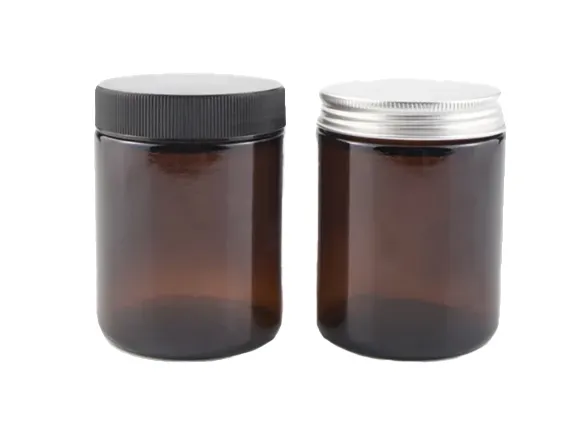
A jar is not automatically suitable for sterile products, controlled dosing, restricted access, extreme handling or any application whose requirements have not been defined. A familiar pharmacy silhouette is especially risky when it encourages the team to assume performance from appearance.
PauPack would rather redirect a project to another format than force a jar into the wrong use. Buyers can compare our pharmacy and apothecary range, pill bottle formats and glass pill bottle evidence guide before choosing the development route.
Send a Decision-Ready Pharmacy Jar RFQ
Share the product category and intended use, target markets, nominal fill, preferred jar size, closure and access needs, protection requirements, filling process, label or decoration, forecast by SKU, required evidence, packing route and delivery window. Mark open decisions rather than hiding them behind “standard pharma jar.”
PauPack can map those inputs to available pharmacy glass jars, coordinate identified samples and build a quotable component file. Use our packaging services to plan development, then send the project brief when the use case and evidence owners are clear.
Questions Buyers Ask Before Releasing a Jar
What products are pharmacy glass jars suitable for?
Suitability depends on the identified product, dosage form, user, closure, storage, distribution and destination requirements. The responsible product and regulatory teams should define the use before a jar is selected.
Is an amber pharmacy jar automatically light protective?
No. Amber appearance is not a performance certificate. Set a product-specific protection requirement, identify the exact glass or coating, and review suitable test evidence for the complete container-closure system.
Should a wide-mouth jar use a child-resistant closure?
That depends on the product and market. A qualified regulatory owner should determine whether special packaging rules apply and approve the tested jar-and-closure configuration.
Can the same cap be used on several pharmacy jar sizes?
Only after the neck finish, liner, engagement, application settings, opening behavior and required performance are verified on every identified jar.
Does PauPack decide whether a package is compliant?
No. PauPack can identify components, coordinate samples and provide supplier evidence. The product owner and qualified regulatory or technical specialists decide applicable requirements and final suitability.
What should be checked on pharmacy jar samples?
Confirm identity, dimensions, capacity, rim condition, closure fit, liner position, filled behavior, label fit, packed protection and the boundaries of every document supplied.
Can a cosmetic-style glass jar be used for medicine?
A similar silhouette does not establish suitability. The actual product, contact materials, closure, process, user, labeling, storage and market requirements must be reviewed as a new system.
How should a buyer compare clear and amber jars?
Compare appearance only after the protection need is defined. Review the exact material or finish, product-specific evidence, decoration, inspection method, packed use and supply consistency.
What changes can trigger re-evaluation?
Review changes to the product, glass source, mold, color, coating, neck, closure, liner, supplier, filling process, label, carton, route, storage condition or destination market.
What should I send PauPack for a pharmacy jar quote?
Send the product category, intended use, target market, nominal fill, jar size, closure needs, protection requirements, artwork, order quantity, filling route, tests, packing and required delivery window.