

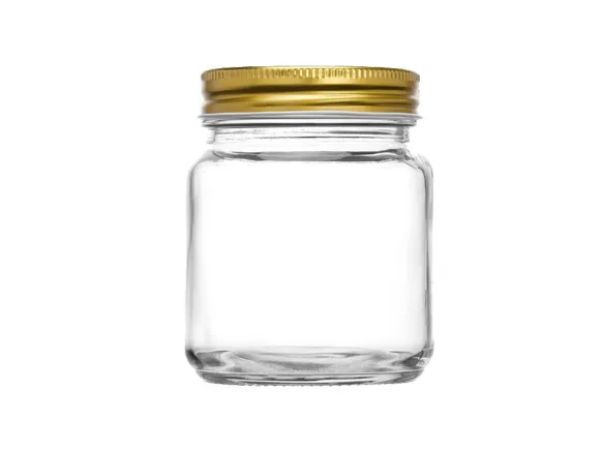
Honey packaging must work at three moments: filling, handling and retail use. A jar that looks attractive on a product page may create problems if the opening, closure, label panel or carton does not match the product and packing process.
For buyers sourcing honey jars wholesale, the packaging brief should begin with the honey product, filling setup and sales channel. Shape comes after those operating requirements are clear.
Map the Journey from Filler to Customer
Create a simple journey map before selecting jars:
- Empty jars arrive and are inspected.
- The product is prepared and filled.
- The closure and any additional seal are applied.
- Labels or decoration are completed.
- Jars are packed into retail or export cartons.
- The product moves through warehouse, distributor, store or e-commerce handling.
- The customer opens, pours or spoons the product during repeated use.
Each stage creates a packaging question. The jar must be compatible with the filling process, easy to close, stable in packing and comfortable for the final use occasion.
Choose the Jar Format by Sales Occasion
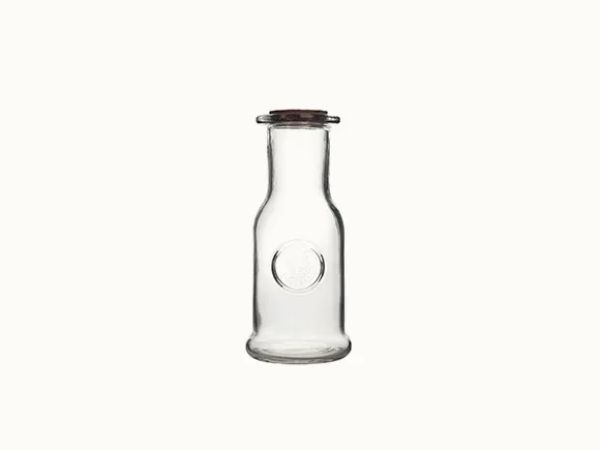
Avoid treating every capacity as the same product in a smaller or larger jar.
| Sales occasion | Packaging priority | Useful jar direction |
|---|---|---|
| Everyday table honey | Easy repeated use and clear label communication | Straight-sided or gently shouldered jar |
| Premium origin honey | Strong shelf identity and gift presentation | Faceted, embossed-style or heavier visual profile |
| Sample or tasting set | Readable artwork and organized multipack | Small coordinated jars with fitted insert |
| Foodservice or refill | Efficient handling and packing density | Practical opening, closure and carton format |
| Seasonal gift | Decorative flexibility without changing the full line | Standard jar with special label, sleeve or carton |
PauPack's food and beverage packaging can be used to compare glass containers across retail and bulk food applications.
Check Opening Diameter and Product Access
The opening affects filling, closure application, product access and cleaning around the rim. Review the intended user behavior as well as the production line.
Ask:
- Will the product be poured, spooned or dispensed another way?
- What opening works with the filling nozzle and expected product behavior?
- Is the closure applied manually or with equipment?
- Does the rim remain clean enough for closure application?
- Can the customer reach the product comfortably near the end of use?
Test with the actual product and intended fill condition. Water does not reproduce the handling behavior of honey.
Select the Closure as a Functional System
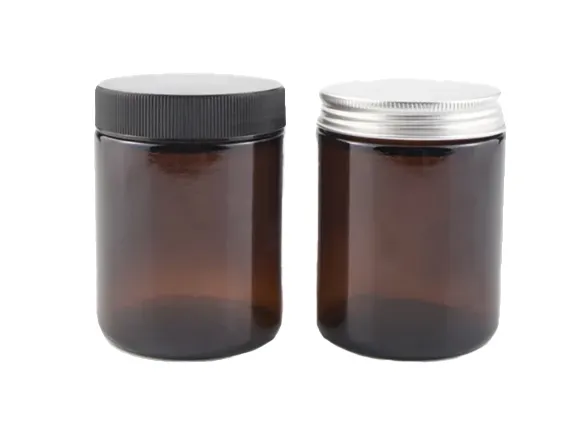
The jar and closure must be quoted and sampled together. Confirm the neck finish, closure material, liner or sealing feature where applicable, application method and opening experience.
During samples, review:
- Thread engagement and closure alignment
- Application consistency
- Evidence of product around the rim after filling
- Leakage under relevant storage and transport conditions
- Opening force and repeated consumer use
- Closure appearance after packing and handling
Any tamper-evidence or food-contact requirement should be confirmed with the product owner, filler and target-market specialists. Do not assume that one closure configuration is appropriate for every market or distribution route.
Balance Glass Shape with Label Efficiency
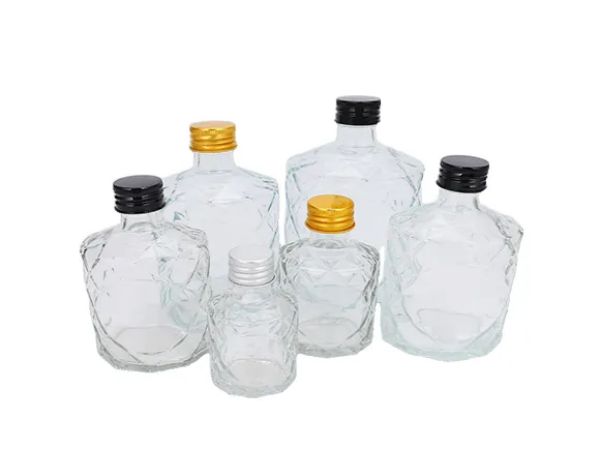
Distinctive shoulders, facets and embossing-style details can create recognition, but they reduce the flat area available for labels and direct decoration.
Before approving the jar, place the real label on the sample and check:
- Available width and height
- Contact around curves or facets
- Readability at shelf distance
- Batch, origin and product-information areas
- Alignment references during application
- Visibility when jars are packed side by side
PauPack's custom design service can support the relationship between bottle geometry, artwork area and retail presentation.
Build Capacity Around Fill Weight and Headspace
Nominal jar capacity and product fill weight are different measurements. Use actual honey during sample filling to confirm the visual fill level, headspace and closure clearance.
Record:
- Target net content
- Actual fill weight used in the trial
- Visual fill line
- Headspace under the closure
- Jar and closure weight for shipping calculations
- Label position relative to the fill line
This trial should be repeated for each capacity in the planned range.
Use a Retail Architecture Instead of Isolated Jars
A brand may need a core family rather than one jar. Build the architecture around shared visual rules:
- Common closure color or finish
- Consistent label proportions
- Repeated shoulder or panel language
- Clear size progression
- Shared carton and divider logic
- Controlled seasonal elements
The result is easier to recognize and often easier to reorder than a collection of unrelated jar shapes.
Compare Wholesale Quotations on Equal Assumptions
When evaluating honey jars wholesale, normalize each quotation.
| Quotation item | Confirm |
|---|---|
| Jar | Capacity, dimensions, glass color and quantity |
| Closure | Material, finish, liner or sealing feature and quantity |
| Decoration | Label, print or coating scope by artwork |
| Retail carton | Units per case, dividers and print requirements |
| Export packing | Carton dimensions, protection and identification |
| Inspection | Appearance, dimensions, function and packing checks |
| Delivery | Destination, shipping terms and timing assumptions |
Do not compare a plain jar quote with a fully packed decorated system without separating the differences.
Test the Filled Package and Carton
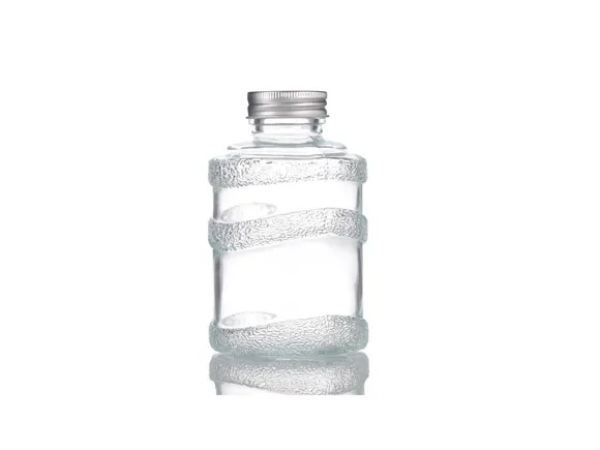
Sample approval should follow the expected distribution route. Use the filled product, final closure, label and carton.
Check:
- Jar stability and handling
- Closure and rim condition
- Label appearance after storage
- Leakage under relevant orientations
- Divider fit and glass-to-glass separation
- Carton movement and product identification
- E-commerce protection when that channel is important
The PauPack quality management and services pages can support the inspection and packing discussion.
The broader PauPack product range can help buyers coordinate honey jars with other food and beverage packaging used across the same brand portfolio.
Prepare a Complete Honey Jar RFQ
Send the honey type, filling conditions, target net content, jar capacities, quantity by SKU, opening preference, closure, label or decoration, carton, distribution route, destination and timing.
If the brand is also developing beverage or food-container projects, the custom juice bottle manufacturer guide shows how to organize filling, closure, decoration and sample gates in a related packaging workflow.
Final Recommendation
Choose the jar after mapping filling, closure, labeling, packing and customer use. Approve the real product in the final component system and retain a signed physical reference.
The most reliable honey jars wholesale program connects shelf identity to the practical work of filling, closing, shipping and repeated consumer use.
Frequently Asked Questions
What information is needed to request wholesale honey jars?
Provide the product type, filling conditions, net content, jar capacity, opening, closure, quantity, decoration, carton, distribution route, destination and timing.
Which honey jar shape is best?
There is no universal best shape. Select one based on filling, product access, label area, packing efficiency, retail position and brand identity.
Should honey jar capacity be selected by volume or fill weight?
Confirm capacity using the actual product and target fill weight because visual fill level, headspace and closure clearance all affect the final choice.
What should be tested before a bulk honey jar order?
Test filling, closure application, leakage, label fit, handling, carton protection and the complete consumer-use experience with the intended product.