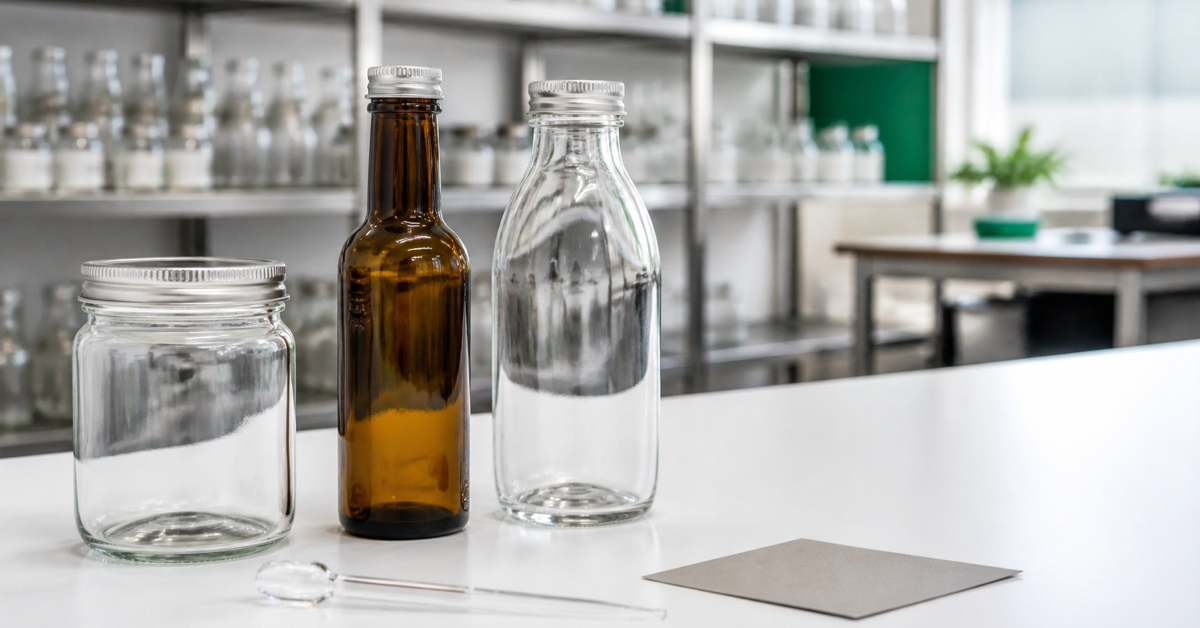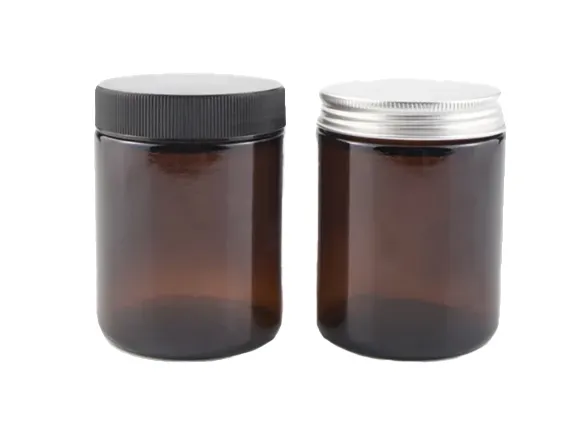


Glass vs plastic packaging is not a universal winner-and-loser question. PauPack treats it as a routing decision: product conditions, package function, manufacturing, distribution, user experience and recovery systems narrow the suitable options in a different order for every brand.
Route 1: Begin with Product and Process Boundaries
List the formula or food, contact conditions, fill temperature, barrier needs, cleaning assumptions, shelf life and applicable market requirements. The product owner and qualified specialists should define and verify these needs. Material preference cannot replace compatibility evidence on an identified complete package.
Route 2: Compare Package Function, Not Material Labels
| Decision area | Evidence to request | Question for the owner |
|---|---|---|
| Protection | Complete-pack compatibility plan | What must the package preserve? |
| Dispensing | Installed closure or pump trials | How should the user dose? |
| Distribution | Packed route review | Where will load and impact occur? |
| Recovery | Market-specific pathway evidence | What system actually exists? |
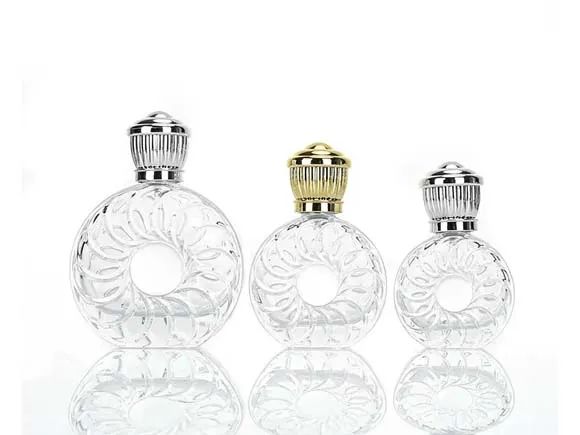
PauPack's product portfolio lets teams compare glass and plastic formats by capacity, closure, dispensing and pack-out instead of by material name alone.
Route 3: Map Manufacturing and Decoration Constraints
Glass molding, plastic molding, stock platforms, custom tooling, color, coating, printing and labels have different tolerances and commercial breakpoints. Record target volumes, SKU count, artwork versions and acceptable variation. PauPack's manufacturing and design resources help convert brand intent into controlled specifications.
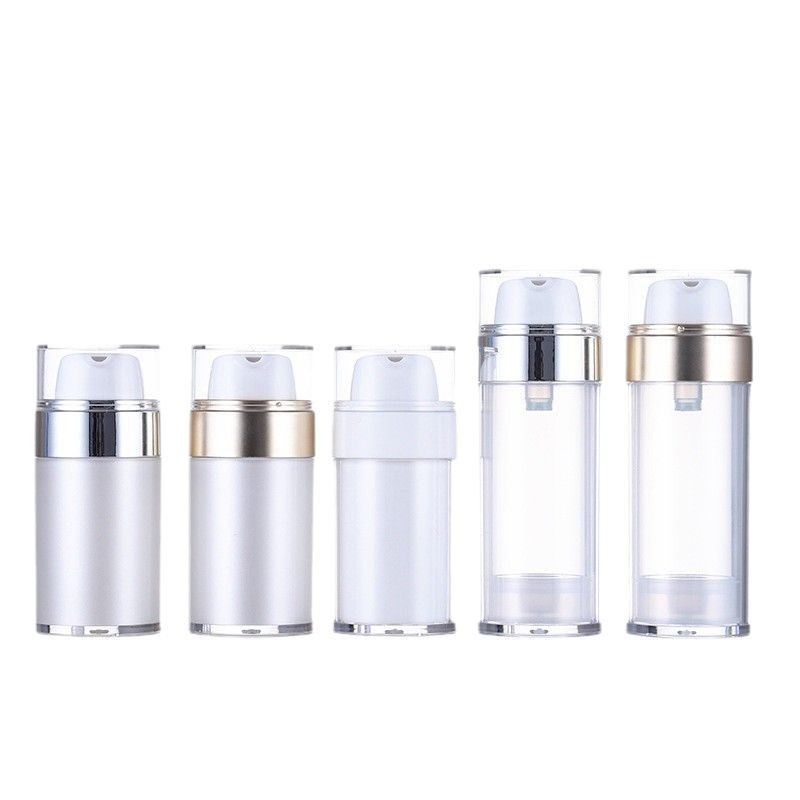
Route 4: Measure Distribution and User Tradeoffs
Mass, breakage behavior, panel stiffness, grip, squeezing, premium cues and refill assumptions affect the final system. A lighter component is not automatically a lower-impact pack if secondary packing, loss rates or recovery pathways change. Use representative finished packs and the intended distribution route.
Route 5: Treat Sustainability Claims as Market-Specific Evidence
A defensible glass vs plastic packaging comparison states its boundary, data source, location and end-of-life assumptions. PauPack's sustainability program provides material pathways, while buyers remain responsible for market-specific claims and substantiation.
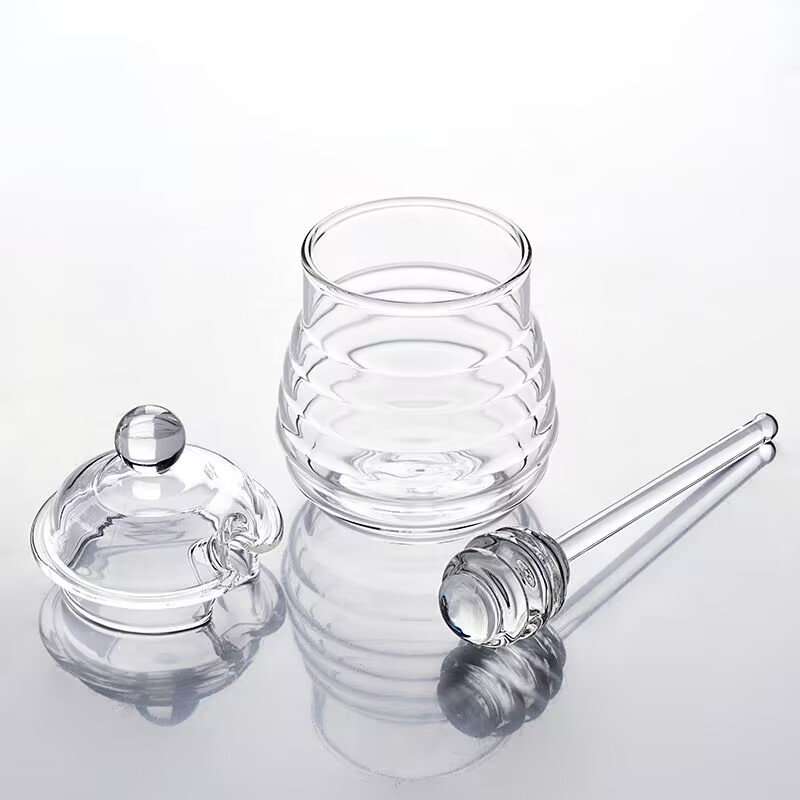
PauPack's quality management and services support the selected route from sample to reorder. PauPack resolves glass vs plastic packaging by documenting the tradeoffs that matter for one product, one route and one market.
Frequently Asked Questions
Is glass always more sustainable than plastic?
No. Results depend on product, pack weight, reuse, transport, loss, recovery systems, geography and the assessment boundary.
Can material choice replace compatibility testing?
No. Verify the selected bottle, closure, product and process as an identified complete system.
What should a material decision file include?
Record requirements, alternatives, assumptions, evidence sources, approved samples, tradeoffs and change triggers.
When should the material decision be reopened?
Review it when product, process, source, pack weight, closure, route, market or recovery assumptions change materially.