

A glass juice bottle factory does not create a launch in one uninterrupted line. Product, glass, closure, decoration, filling, quality and logistics pass the brief between stations, and every handoff can lose a decision. PauPack treats the factory as a production relay: each station receives an identified input, creates evidence and passes a controlled output to the next owner. The result is a bottle the filler can run and purchasing can reorder, not merely a finished piece of glass.
Relay Station A: Translate the Product Boundary
Record beverage type, acidity or oil considerations, fill temperature, pasteurization or other process conditions, storage, shelf-life plan and destination requirements with qualified owners. FDA food types and conditions-of-use tables illustrate why intended food and process conditions matter. PauPack does not infer suitability from “food grade” alone.
Relay Station B: Freeze Bottle Geometry
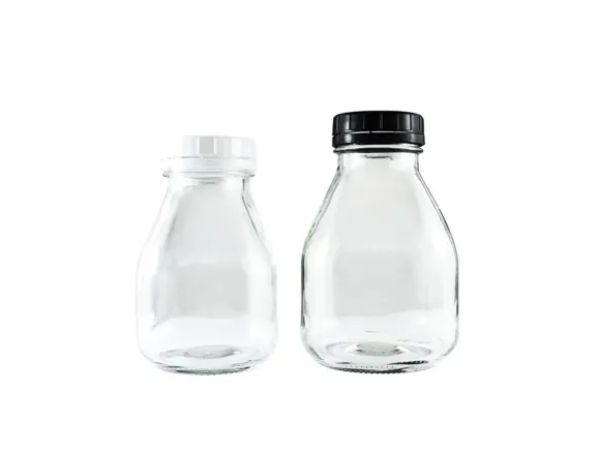
Capacity, overflow reference, target fill, finish, shoulder, base, label panel and handling surfaces affect filling and presentation. Review production-relevant drawings and samples. PauPack asks the glass juice bottle factory to label sample purpose and revision so an attractive prototype is not confused with the commercial article.
Relay Station C: Develop the Closure Interface
Identify cap, liner or seal, tamper feature and application process with the bottle finish. Record settings and observations under the approved line method. The customer and qualified owners decide compatibility and regulatory work. PauPack prevents a cap sourced separately from becoming an uncontrolled substitution after the bottle has been approved.
Relay Station D: Map Every Food-Contact Component
FDA explains that packaging components, coatings, adhesives and other substances can be part of the food-contact system. The overall status depends on the substances, manufacturer and intended conditions of use. PauPack organizes declarations and component identity for review by responsible customer teams without presenting a generic certificate as universal authorization.
The Production Relay Board
| Station | Input | Controlled output |
|---|---|---|
| Product | Beverage and process boundary | Contact and fill brief |
| Glass | Drawing and article code | Identified bottle sample |
| Closure | Cap, liner and application route | Closed-system evidence |
| Decoration | Artwork and contact map | Approved physical master |
| Filling | Production-relevant components | Line-trial record |
| Logistics | Golden case | Packed-product evidence |
Relay Station E: Protect the Label Panel
Check wet handling, code placement, label application, viewing panel, seam clearance and case contact. Decoration approval must include production and packing conditions, not only color. PauPack keeps artwork version, dieline, physical master and inspection language together so the next shift is not asked to interpret a screenshot.
Relay Station F: Stage a Line Trial With Named Questions
Define whether the trial examines feeding, rinsing, filling, closing, coding, labeling, packing or a combined sequence. Identify product or test liquid, bottle lot, closure, settings, operators and sample quantities. The glass juice bottle factory supplies traceable components; the filler records what the actual equipment and process reveal.
Relay Station G: Separate Cosmetic and Functional Findings
Color variation, seams or small surface marks may be cosmetic, while cracks, finish damage, closing inconsistency or contamination can affect operation or safety. Use written categories and escalation rules. PauPack keeps observations evidence-based and avoids allowing premium appearance language to hide line or product risks.
Relay Station H: Build the Golden Case
Retain an approved filled bottle, cap, label, code position, divider, case count and orientation. The golden case connects the glass juice bottle factory to the filler, warehouse and receiving team. It shows the sellable configuration that passed the selected work and becomes the physical baseline for packing and reorders.
Relay Station I: Select Distribution Work by Objective
ISTA's test-procedure overview distinguishes screening, simulation and development purposes. Qualified owners should choose current procedures around the complete packaged product and actual route. PauPack records the selected objective, conditions and acceptance rules instead of treating one transit label as protection for every channel.
Relay Station J: Reconcile Quantity at Component Level
Translate forecast into filled units, bottles, caps, liners, labels, cartons, trial units, expected line loss and spares. Round each item by its actual case or production multiple. PauPack shows residual inventory under base and downside demand so procurement can see where one unique cap or label creates a stranded balance.
Shift Note: Stop the Relay at an Uncontrolled Change
A change to beverage, fill, bottle source, finish, cap, liner, label adhesive, process, line, case or route can invalidate part of the file. The owner should decide what remains applicable and what repeats. PauPack asks the glass juice bottle factory to notify changes before shipment, not after a different-looking lot reaches receiving.
Shift Note: Make Receiving the Final Station
Receiving needs current codes, lot and case identity, quantities, critical visual references, sampling instruction and escalation contacts. It does not need the entire development archive at the dock. PauPack converts the project file into a concise sheet and links any deviation back to the approved evidence.
Exception Card: The Cap Arrives Before the Bottle
Early closure supply can look like progress, but it creates exposure if the bottle finish or application route is still open. Label the cap lot, protect representative samples and prevent bulk assembly assumptions until matched components are reviewed. PauPack records what can be inspected independently and what requires the closed system. The glass juice bottle factory and closure source then work from the same finish revision, application question and escalation owner.
Exception Card: A Line Trial Passes but Yield Is Unknown
A short successful run proves only what the defined trial observed. Record setup time, speed range, stops, breakage, closing observations, rejects and sample disposition, then state the limitations of the run. PauPack avoids turning a demonstration into a guaranteed production rate. Before scale-up, operations decides what additional run length or monitoring is needed and purchasing keeps contingency units visible in the order plan.
Exception Card: Decoration Changes After Approval
A color correction, new label adhesive or larger print area may alter line contact, wet handling, inspection and case abrasion. Link the new artwork and process to the affected evidence rather than approving it as a visual edit. PauPack asks decoration, filling, quality and logistics owners which checks remain applicable. This creates a targeted repeat plan and protects the launch from both over-testing and unexamined change.
Measure the Relay by Clean Handoffs
Useful operating measures include first-pass document completeness, sample identification accuracy, decision response time, trial actions closed, receiving deviations and residual component balance. These indicators locate friction without pretending every outcome belongs to one supplier. PauPack reviews the measures after launch and updates briefs, responsibilities and lead-time assumptions. Compare the launch plan with actual dates, separate customer decision delays from production time, and record which missing input created each wait. The lesson belongs in the next carefully updated project brief, not in a private postmortem. A glass juice bottle factory relationship becomes more resilient when the next order starts with the last order's evidence rather than a new spreadsheet.
Close the Relay With a Reorder Handoff
Compare planned and actual component use, line loss, decoration yield, packed damage, residual stock and customer feedback. Update the next-order assumptions and decision dates. PauPack connects the juice bottle range, quality process and project service.
Ask PauPack to Run the Production Relay
Send beverage and process conditions, target fill, closure route, decoration, forecast, destinations and launch timing. PauPack can coordinate the glass juice bottle factory handoffs through identified samples, line-trial questions, golden-case approval and reorder controls so no department has to rediscover the brief.
Frequently Asked Questions
What should a juice bottle factory receive in the first brief?
It should receive product and process conditions, fill target, bottle and closure needs, decoration, case, forecast, destination and launch timing.
Why should the closure be selected with the bottle?
Bottle finish, cap, liner or seal and application process form one interface that must be developed and controlled together.
What is a food-contact article?
FDA terminology describes the finished bottle or other item formed from food-contact materials; each component and intended condition requires appropriate review.
When should a filler join development?
Before geometry, closure, fill, label and case decisions are locked, so production constraints can be tested on relevant samples.
How should line-trial samples be identified?
Use controlled bottle, cap, liner, decoration, product, fill, lot and assembly codes with the trial purpose and conditions.
What should be inspected after decoration?
Review color, registration, adhesion assumptions, contact zones, code readability, line handling and packed contact.
How should transit testing be selected?
Choose the procedure around the complete packaged product, actual route and distribution objective with qualified owners.
What belongs in a golden case?
Keep an approved filled bottle, closure, label, code position, divider, case orientation and current component list.
When should the factory repeat evidence?
Review changes to product, process, bottle, closure, liner, decoration, line, case, supplier or route.
What should a buyer ask PauPack to quote?
Ask for the complete sellable system, sample sequence, inspection, packing, commercial assumptions, timing and change control.