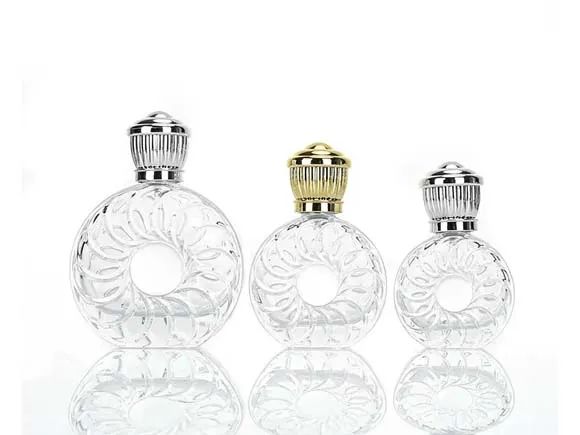


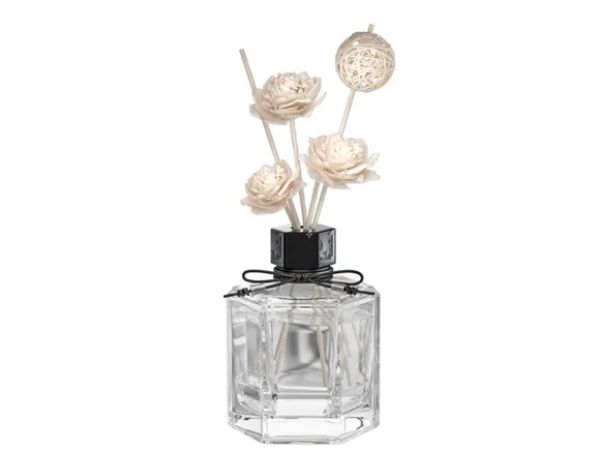
A diffuser sample is useful only when each test answers a release question. Looking at an empty bottle cannot confirm filling, plug fit, leakage, decoration or carton performance.
This diffuser bottle sample testing plan uses eight test cards that can be assigned to purchasing, filling, product and quality teams.
Card 1: Capacity and Headspace
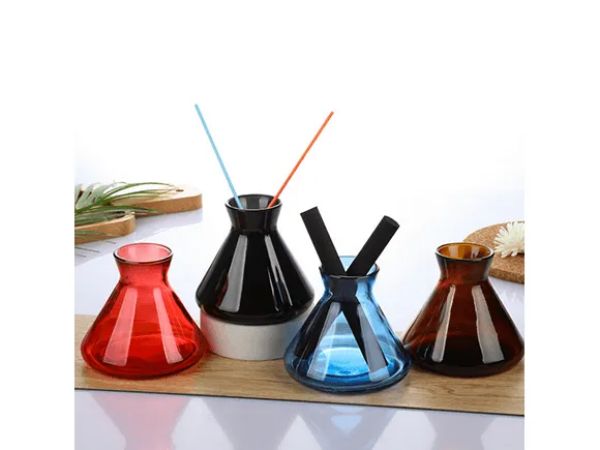
Fill several bottles to the intended quantity. Record usable capacity, visual fill line, headspace and stability.
Card 2: Neck and Filling Access
Confirm nozzle clearance, neck cleanliness and fill accuracy. Check whether product remains around the sealing area.
PauPack's glass diffuser bottle range supports format comparison.
Card 3: Plug and Transit Closure

Apply the intended plug or temporary closure using the production method. Test removal, reinstallation if relevant and leakage under defined handling conditions.
Card 4: Reed Bundle Fit
Review reed count, diameter, length and visual proportion. Confirm that the opening supports consumer setup without crowding or instability.
Card 5: Formula Interaction
The product owner should define compatibility, evaporation and storage tests with qualified specialists using the intended fragrance formula.
Card 6: Decoration
Apply final-size labels, printing or coating. Inspect contrast, adhesion, scuffing and the appearance of the filled bottle.
PauPack's design service can support artwork placement.
Card 7: Retail and Shipping Pack
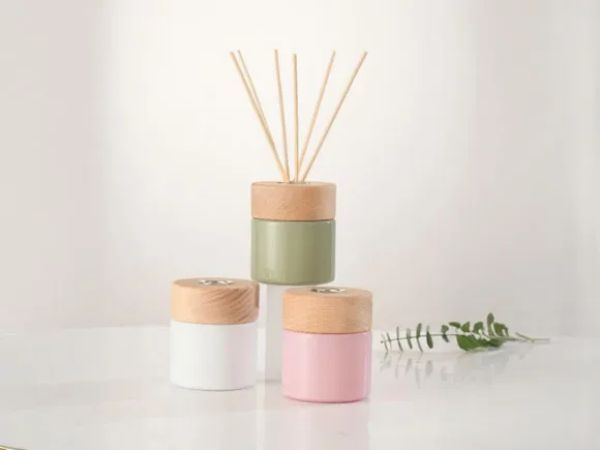
Test bottle, plug, decorative cap, reeds, instructions, insert and carton together. Check movement, abrasion and opening sequence.
Card 8: Defect and Approval Record
Use sample code, condition, observation, defect class, owner, corrective action and retest status. Retain approved filled and packed references.
| Status | Meaning | Next step |
|---|---|---|
| Green | Criteria met | Retain as reference |
| Yellow | Conditional | Resolve named item |
| Red | Critical failure | Stop release and investigate |
Define Ownership
Mark supplier-controlled dimensions, filler-controlled application settings and jointly controlled pack tests. This prevents observations from remaining without an action owner.
Repeat Tests After Substitution
If the plug, reed material, label stock, coating or carton divider changes, decide which cards must be repeated. Visually similar components are not automatically equivalent.
Use PauPack's quality management, services and reed diffuser bottles bulk guide when building the specification.
Final Release
Approve the complete system and store drawings, artwork, test results and retained samples. Effective diffuser bottle sample testing finds problems before bulk production and gives reorders a measurable reference.
The finish checks in PauPack's frosted candle jars wholesale guide also support coated diffuser programs. Record diffuser bottle sample testing results by the exact bottle, plug, formula, reed and carton combination.
Frequently Asked Questions
Should diffuser bottles be tested with the real formula?
Yes. The product team should define appropriate formula and component tests.
What should a plug test include?
Review application, removal, leakage, neck cleanliness and the consumer opening process.
Should reeds be included in packaging tests?
Yes. Reed dimensions and placement affect insert design, presentation and carton size.
What records should be retained?
Keep component codes, samples, conditions, results, defects, corrective actions and approval references.