

Bulk juice bottles should arrive as an identified packaging system, not a pallet of anonymous glass. PauPack starts the buying decision at the receiving door and works backward through six documents that connect the beverage, bottle, closure, line, carton and repeat order.
The Receiving Note Defines What “The Same Bottle” Means
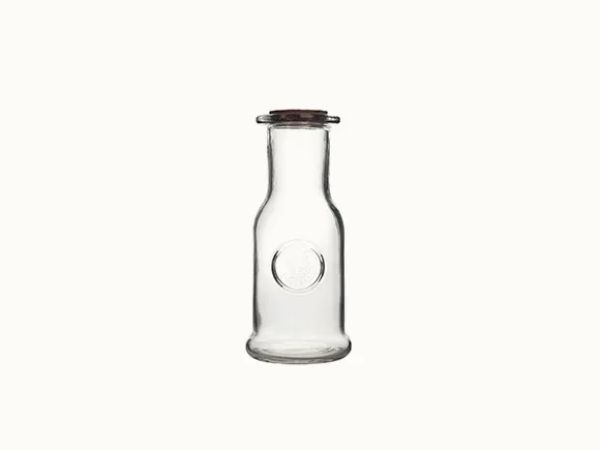
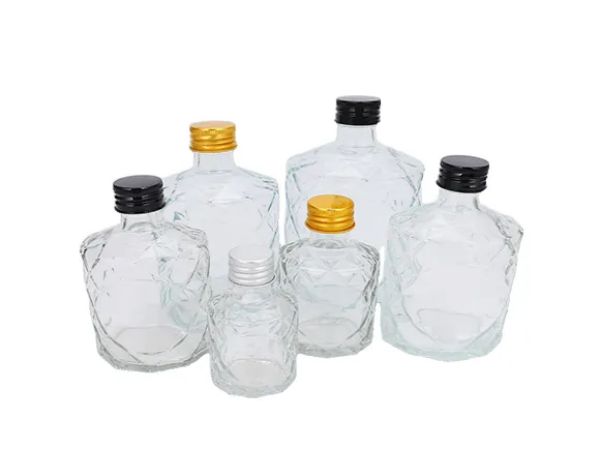
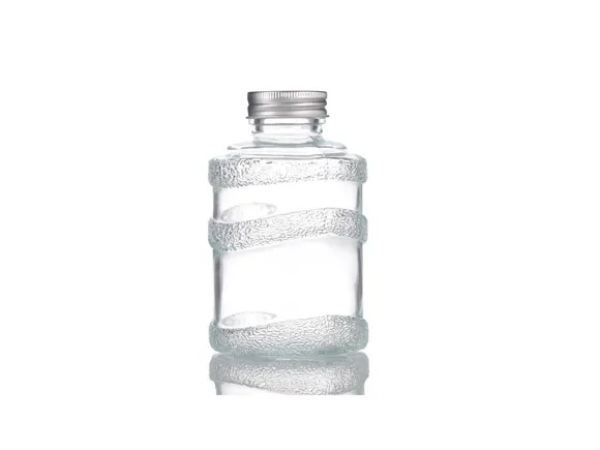
Record capacity, brimful volume, weight target, neck finish, dimensions, glass appearance, closure code and packing configuration. A familiar shape is not a specification. PauPack's juice bottle range provides reference formats, while the buyer's approved drawing controls the delivered item.
The Beverage Brief Explains the Conditions Behind the Glass
State beverage type, filling temperature, processing route, storage, headspace, shelf-life plan and target market. The product owner should define compatibility and process requirements with qualified input. PauPack's food and beverage portfolio supports format comparison without assuming one bottle suits every process.
The Closure Sheet Joins Two Purchased Components
Identify the cap, liner, tamper feature and application method. Confirm thread engagement, application settings, opening behavior and visible leakage under agreed conditions. Buying glass and caps separately without a matched release file transfers an interface risk to the filling line.
The Line Trial Turns a Sample Into Operating Evidence
A serious bulk juice bottles program checks infeed, rinsing, filling clearance, closure application, coding, label placement and accumulation. Record settings, sample identity and observations. PauPack's beverage sample guide helps separate screening from production-intent approval.
The Carton Drawing Protects the Finished Product
Define bottle orientation, divider style, units per case, cap clearance, label-contact zones, case marks and pallet pattern. Empty-container transit and filled-product distribution are different questions. PauPack's quality management approach links final release to the packed configuration.
| Document | Decision it closes | Retained evidence |
|---|---|---|
| Bottle drawing | Component identity | Measured sample |
| Line trial | Operational fit | Settings and observations |
| Carton drawing | Pack protection | Packed reference |
The Reorder File Prevents a Silent Substitution
Keep drawings, samples, inspection criteria, artwork, packing records and change-notification rules together. Compare quotations using the same component and service assumptions, including excess closures and freight units.
PauPack's project services, design support and wholesale juice bottle guide connect these records. PauPack buys bulk juice bottles by controlling the documents that travel with every pallet.
Frequently Asked Questions
Can a catalog code replace a bottle drawing?
No. Use a controlled drawing and identified samples to define the approved component.
Should line trials use the intended cap?
Yes. Bottle, cap, application method and operating settings should be evaluated together.
Are empty-bottle transit tests enough?
No. The brand should also validate the filled, labeled and packed product for its distribution route.
What should trigger reorder review?
Review changes to glass, closure, supplier, process, artwork, packing, beverage conditions or market requirements.