

Bulk aroma diffuser bottles should be selected by following the liquid path: filling, sealing, transport, opening, reed insertion and controlled presentation. PauPack uses that path to align bottle geometry, neck, stopper, decoration and packed delivery with the actual home-fragrance experience.
Station 1: Entering the Bottle
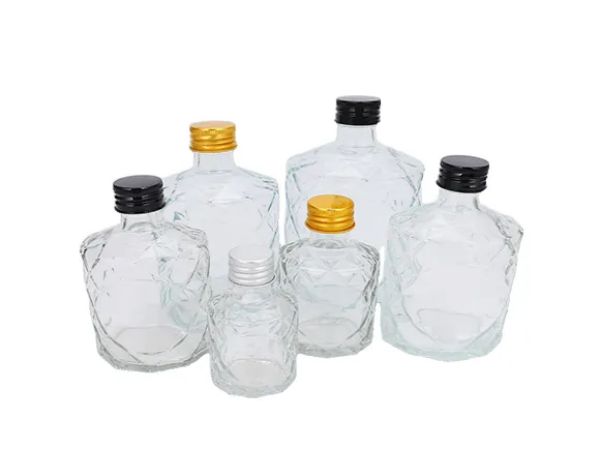
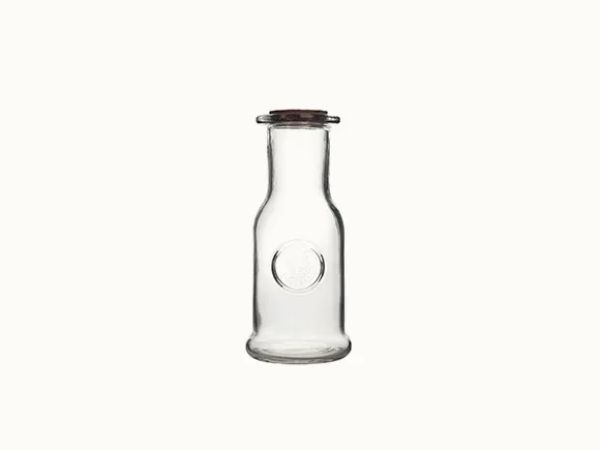
Define fill volume, product handling, headspace assumptions and the filling access required by operations. Bottle capacity alone does not show how efficiently the unit can be filled or how the liquid line will look. PauPack's diffuser bottle range helps buyers compare relevant openings and silhouettes.
Station 2: Staying Contained
Match the bottle neck with the intended stopper, plug, cap or transport closure. Review assembly method, removal experience and packed orientation. PauPack's quality management process connects closure observations to specific components and conditions.
Station 3: Meeting the Reeds
Record the number and dimensions of reeds, neck access, presentation height and intended consumer setup. Qualified product owners should define formula-specific performance evaluation. The packaging review should focus on identified interfaces and repeatable observations.
Read Failure Signs Backward
| Observed sign | Trace backward to | Evidence to keep |
|---|---|---|
| Wet packed surface | Closure, orientation or assembly | Packed test record |
| Awkward reed insertion | Opening and stopper route | Setup observation |
| Decoration contact marks | Divider and case design | Packed master |
Station 4: Surviving Distribution
For bulk aroma diffuser bottles, define divider contact, cap protection, case count, orientation, pallet assumptions and destination handling. A finish master is incomplete if the packed system damages the same surface. PauPack's project services help connect appearance approval with delivery evidence.
Station 5: Returning as a Reorder
Keep bottle, stopper, closure, reeds, decoration, carton and case codes together. Write change-notification requirements and sample-retention rules. PauPack's design support and home-fragrance portfolio make the visual direction easier to translate into a repeatable package.
Send the Complete Liquid-Path Brief
Send PauPack the fill target, formula handling boundaries, neck route, reeds, finish, quantity and destination. A useful bulk aroma diffuser bottles RFQ links the catalog to the filled setup, packed reference and reorder codes.
Assign a named reviewer at each station. That creates a practical route for resolving issues without reopening every decision in the project.
Choose the Right Buyer Profile
Bulk aroma diffuser bottles suit home-fragrance brands, hospitality programs and distributors that can define the bottle, stopper, reeds, decoration and packed delivery as one system. They are not a shortcut around formula evaluation or transport classification. PauPack asks whether the buyer needs stock glass, custom decoration, a complete component set or full project coordination, then identifies which technical and regulatory decisions remain customer-owned.
Separate the Main Use Scenarios
Retail sets, refill programs, hotel amenities, seasonal collections and gifting have different expectations for display life, refill access, closure removal, reed presentation and parcel protection. A bulk aroma diffuser bottles brief should name the scenario, fill target, destination, channel, expected setup and whether the unit travels filled or empty. PauPack then reviews the relevant interfaces instead of assuming one bottle-and-stopper route fits every program.
Create a Complete Technical Data Sheet
Specify nominal and usable capacity, bottle dimensions, neck finish, stopper or plug, cap, reeds, decoration zones, glass weight, carton and case count. Record the filling route, intended orientation and drawing revision. For bulk aroma diffuser bottles, also describe the consumer opening sequence and the packed configuration because both can reveal neck, stopper or surface-protection issues that an empty sample does not show.
Define Materials, Components and Workmanship
Glass, stopper materials, cap finishes, reed materials, coatings, inks, labels, adhesives and dividers should have named specifications or approved references. Formula compatibility and transport classification must be determined by qualified owners. PauPack evaluates workmanship through identifiable features: neck condition, base stability, stopper application, decoration registration, surface protection and case integrity. Physical masters and written boundaries reduce arguments based on subjective photographs.
Build Quality and Distribution Evidence
ISTA explains that distribution procedures assess the complete packaged product rather than certifying one packaging material in isolation. Its test-procedure resources can help qualified teams select an appropriate distribution study. If the filled formula may be regulated during transport, classification should be reviewed against the applicable mode and current rules, including the UN Model Regulations. A bulk aroma diffuser bottles supplier should provide component and packing evidence without claiming that one generic test covers every formula or route.
Plan Capacity, Cost, Customization and Change
Separate stock bottle availability, stopper and cap procurement, decoration trials, reed sourcing, assembly, inspection, packing and freight booking. A bulk aroma diffuser bottles quote should identify setup charges, case multiples, protective materials, expected loss, samples and residual components. PauPack also defines OEM/ODM ownership for tooling, decoration files, nominated parts, packed-system approval and change notification. The result is a schedule and delivered-unit model that can survive seasonal forecasts and future reorders.
Create a Formula-to-Package Responsibility Matrix
List the formula owner, filler, bottle supplier, closure supplier, reed supplier, decorator, packer and logistics owner. For every organization, state the information it provides, the decisions it owns and the evidence it retains. This matrix prevents package observations from being mistaken for formula conclusions and prevents formula changes from bypassing the packaging review. PauPack uses the matrix to route questions efficiently: a wet carton, difficult stopper or weak scent presentation may look related, but each needs a different owner and investigation path.
Approve Decoration Through Contact Mapping
Mark every surface that may contact grippers, guides, stoppers, caps, dividers, labels, hands or neighboring bottles. Then identify the approved finish and inspection reference for each visible zone. Decoration trials should use production-relevant glass and the intended curing or handling sequence. PauPack records contact marks separately from color or registration variation so corrective action targets the right process. A packed physical master is especially valuable for coated, frosted, printed or metallic presentations because an isolated bottle does not show distribution contact.
Construct a Reorder Bill of Evidence
A reorder file should include the controlled drawing, bottle and closure codes, reed specification, artwork, color references, physical masters, assembly notes, inspection plan, packed case and approved deviations. Add the original quotation assumptions and current forecast. PauPack recommends comparing the new supplier confirmation with the previous bill of evidence before production. This reveals substitutions, changed minimums, discontinued components or altered case packs early enough to decide whether samples, revalidation or commercial renegotiation are required.
Use a Seasonal Portfolio Instead of One Forecast
Home-fragrance demand may vary by collection, gifting period, channel or destination. Divide the forecast into core, seasonal and experimental volumes, then identify which components can be shared. Stock glass with differentiated decoration may reduce residual risk, while unique stoppers, caps or cartons can create hidden minimums. PauPack models the delivered unit and leftover components for each scenario. The result helps buyers decide where customization creates a meaningful brand difference and where component commonality protects cash flow and reorder speed.
For every scenario, document the reorder trigger, supplier confirmation date, artwork cutoff, packed approval and latest practical freight booking point. Use ranges where demand is uncertain rather than pretending one forecast is exact. Review which elements can be postponed without putting the launch at risk—for example, final case allocation may remain flexible after shared glass is secured, while a unique stopper or decorated cap may need earlier commitment. PauPack uses this scenario logic to show the commercial cost of flexibility and the operational cost of late decisions. It also gives sales, purchasing and operations a shared language for discussing upside demand, slow-moving stock and substitutions. Record the assumptions behind each scenario so later forecast changes can be evaluated consistently. This is especially useful when different regions share the bottle but use different artwork, reeds, cartons or launch dates.
Frequently Asked Questions
Why review the bottle with the stopper?
The opening, assembly and consumer setup depend on the identified closure route.
Should reeds be included in the packaging review?
Yes. Reed dimensions and quantity affect neck access and the final presentation.
What causes decoration contact marks?
Divider surfaces, cap movement, orientation and handling can contact protected finishes.
What protects a diffuser reorder?
Keep component codes, finish masters, packed evidence, setup observations and change rules.
Should diffuser bottles be tested empty or filled?
Use production-relevant filled and packed conditions when the objective is to evaluate the complete packaged product.
Who determines dangerous-goods classification?
A qualified product and logistics owner should classify the actual formula for the destination and transport mode.
What should a diffuser technical sheet include?
Include capacity, dimensions, neck, stopper, cap, reeds, finish, carton, case count and revision identity.
Can a stock bottle still be customized?
Yes. Decoration, labels, caps, stoppers and presentation packing may create a semi-custom route without new glass tooling.
Which costs matter beyond the bottle price?
Include stoppers, reeds, decoration setup, assembly, inspection, dividers, cartons, losses and freight assumptions.
When should distribution testing be repeated?
Review retesting when the product, bottle, closure, decoration, packing method or distribution route changes materially.