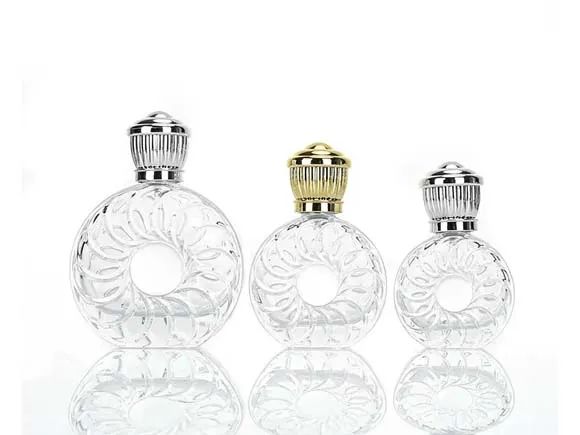


Choosing between amber glass bottles and clear glass bottles affects more than product appearance. For essential oil, skincare, fragrance, and wellness brands, bottle color influences light protection, shelf presentation, label design, product photography, MOQ planning, and how buyers position the product in retail or wholesale channels.
This guide compares amber and clear glass bottles from a B2B sourcing perspective. It is written for private label brands, cosmetic buyers, essential oil suppliers, and OEM teams that need to choose a practical bottle color before requesting samples or quotations.
Fast Answer for Buyers
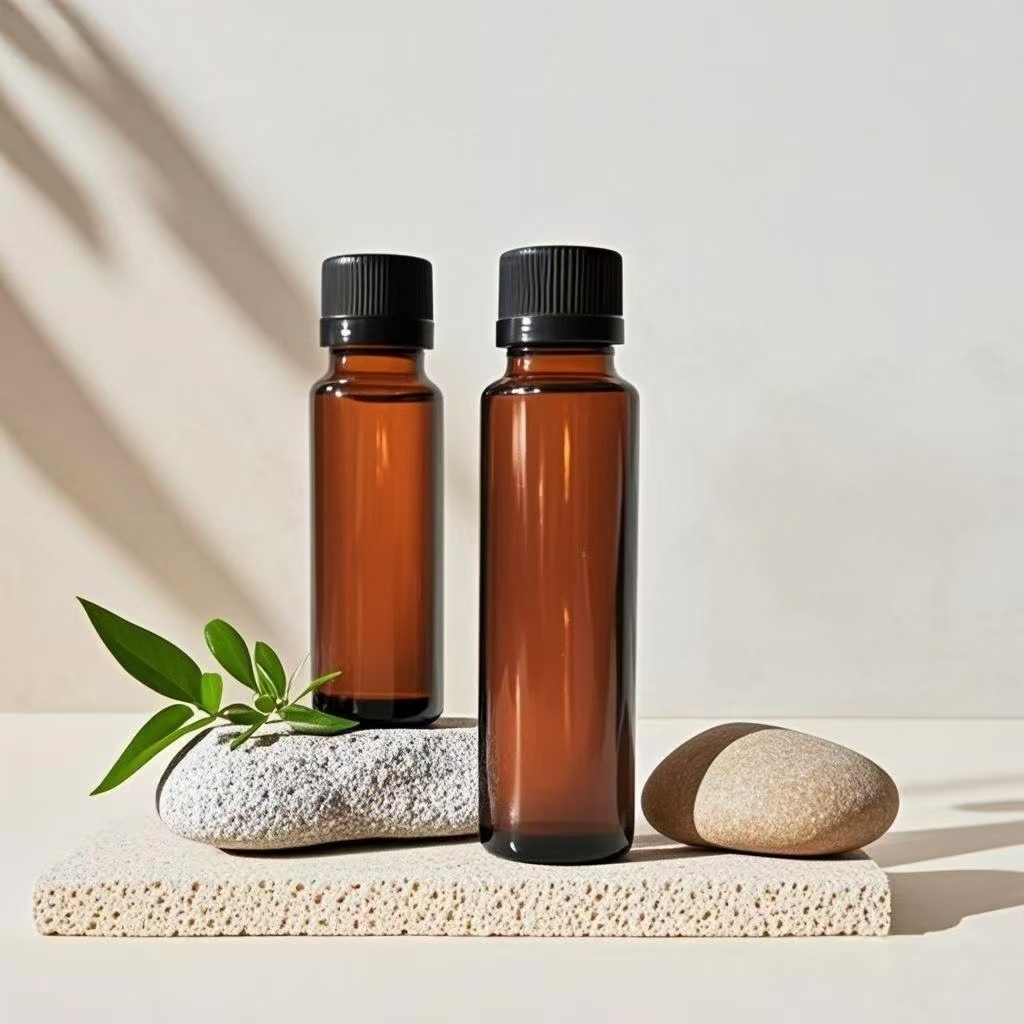
Amber glass bottles are usually the safer default when the formula is light-sensitive or when the brand wants a classic apothecary look. Clear glass bottles work better when the buyer wants to show formula color, create a clean beauty presentation, or sell samples and gift sets where visibility matters.
The best choice depends on formula stability, sales channel, decoration method, carton protection, and whether secondary packaging will protect the bottle from light exposure.
Amber Glass vs Clear Glass: Main Differences
| Factor | Amber glass bottles | Clear glass bottles | Buyer note |
|---|---|---|---|
| Light protection | Better protection from visible light exposure | Lower light protection unless secondary packaging is used | Important for essential oils and botanical formulas |
| Brand look | Traditional, herbal, apothecary, professional | Clean, transparent, premium, modern | Choose based on shelf positioning |
| Formula visibility | Formula color is mostly hidden | Formula color is visible | Useful for serums, oils, and gift sets |
| Label design | Works well with cream, white, black, kraft, or metallic labels | Works well with minimal labels and color-matched formulas | Mock up label contrast before production |
| Common use | Essential oils, tinctures, herbal extracts, aromatherapy blends | Skincare oil, perfume samples, gift packaging, room fragrance | Many brands use both in one bottle family |
When Amber Glass Bottles Are the Better Choice
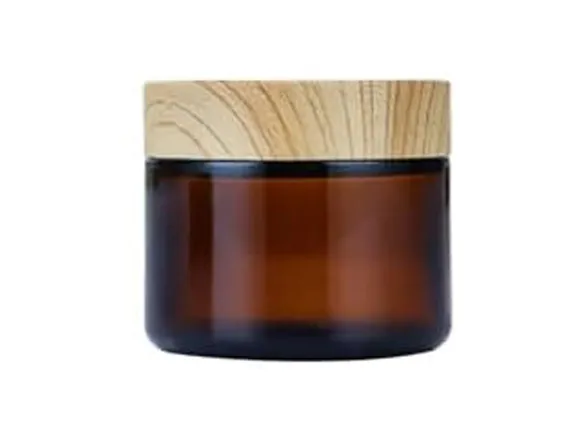
Amber glass bottles are often preferred for pure essential oils, herbal extracts, tinctures, carrier oil blends, beard oils, and aromatherapy products. The darker glass helps reduce light exposure and gives the product a familiar wellness or pharmaceutical appearance.
Amber is also practical for B2B sourcing because it is widely used in standard bottle models. Buyers can often find stock options in dropper bottles, screw cap bottles, roll-on bottles, and small sample bottles. This can make MOQ and lead time easier to manage for first orders.
When Clear Glass Bottles Are the Better Choice
Clear glass bottles are useful when the formula itself supports the brand story. A golden oil, colorful serum, or transparent fragrance can become part of the shelf appeal. Clear glass is common for skincare, perfume oil, room fragrance, gift sets, and products where buyers want a clean visual identity.
The tradeoff is that clear glass offers less light protection. If the formula is sensitive, buyers should consider protective cartons, labels that cover more surface area, UV coating, or another glass color. Clear glass should be selected after checking formula stability, not only because it looks clean in product photography.
Formula Stability Comes Before Visual Design
Packaging should support formula quality. Essential oils, fragrance oils, botanical extracts, and some active skincare ingredients may be affected by light exposure, heat, oxygen, or closure compatibility. Bottle color is only one part of the protection system.
Before selecting amber or clear glass, buyers should confirm the formula type, filling temperature, viscosity, closure system, expected storage conditions, and whether the product will be sold with outer packaging.
Closure and Decoration Choices Still Matter
A good bottle color will not solve a poor closure fit. Droppers, roller balls, spray pumps, screw caps, liners, and reducers must match the bottle neck finish and the formula. A clear bottle with a poor pump can still leak, and an amber bottle with the wrong dropper can still fail during shipping.
Decoration also changes the final result. Labels are flexible for low MOQ launches. Screen printing and hot stamping can create a premium look but may require higher MOQ and longer lead time. Frosting or coating can make clear bottles more distinctive, but buyers should test decoration durability and color consistency before bulk production.
MOQ and Lead Time Planning
Stock amber and clear bottles are usually the most practical starting point for new brands. Custom glass color, custom molds, spray coating, frosting, and multi-color printing increase complexity. The more customized the bottle, the more important it becomes to confirm artwork, samples, production schedule, and inspection standards early.
For a first purchase, many sourcing teams compare two paths: a stock bottle with label decoration for speed, and a more customized bottle for long-term brand differentiation. This comparison helps buyers control launch risk while keeping a path open for future packaging upgrades.
Quality Control Checklist for Bottle Color Selection
- Confirm glass color consistency across production batches.
- Check bottle capacity, weight, neck finish, and dimensional tolerance.
- Test closure compatibility with the actual formula.
- Review label contrast and print visibility on amber and clear glass.
- Request leakage, drop, and carton packing checks where relevant.
- Confirm whether secondary packaging is needed for light protection.
- Approve samples before mass production, especially for decorated bottles.
Decision Guide: Which Bottle Should You Choose?
Choose amber glass bottles if formula protection, traditional wellness positioning, and sourcing reliability are the top priorities. Choose clear glass bottles if formula visibility, clean brand presentation, and retail shelf impact are more important. If the product range includes different formulas, using both amber and clear bottles can be a sensible brand architecture.
A practical sourcing decision should combine formula needs, design goals, MOQ, lead time, closure compatibility, and packing protection. The cheapest visual choice is not always the lowest-risk packaging choice.
How PauPack Helps Buyers Compare Bottle Options
PauPack packaging products include glass bottle options for essential oil, skincare, fragrance, and private label packaging projects. Buyers can compare amber glass, clear glass, closures, decoration methods, and packing options based on the formula and launch plan.
PauPack supports sourcing teams by clarifying specifications before quotation, including capacity, bottle color, closure type, decoration method, MOQ, lead time, and carton packing. For a project quote, buyers can send reference images, quantity, decoration needs, formula type, and target market through the PauPack contact page.
FAQ
Are amber glass bottles better than clear glass bottles?
Amber glass bottles are better when the formula needs more light protection. Clear glass bottles are better when formula visibility and clean shelf presentation are more important.
Can clear glass bottles be used for essential oils?
Clear glass can be used in some cases, but buyers should confirm formula stability and consider secondary packaging if the oil is light-sensitive.
Which bottle color is better for skincare oils?
Amber glass is often safer for light-sensitive oils, while clear glass can work well for products where the oil color supports the brand image.
Does amber glass increase MOQ?
Not always. Many amber glass bottle models are available as stock items. MOQ depends on the bottle model, decoration method, closure, and supplier inventory.
Can I use the same closure on amber and clear bottles?
Sometimes yes, but only if the neck finish, thread, liner, pump, dropper, or roller assembly match both bottles. Buyers should test samples before bulk orders.
What should I send to compare amber and clear bottle pricing?
Send capacity, bottle shape, glass color, closure type, decoration method, quantity, destination market, packing requirements, and any reference images.