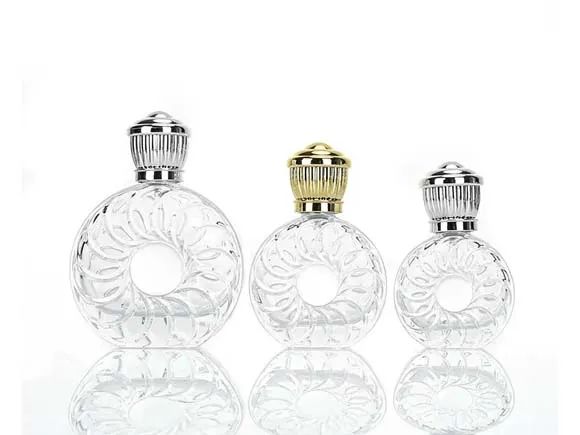


For private label aromatherapy, skincare, fragrance, and wellness brands, glass essential oil bottles are more than containers. A poor bottle choice can cause leakage, weak shelf presentation, label failure, filling-line delays, and higher replacement cost. A good bottle specification protects the formula, supports production, and gives buyers a clear brand story on the shelf.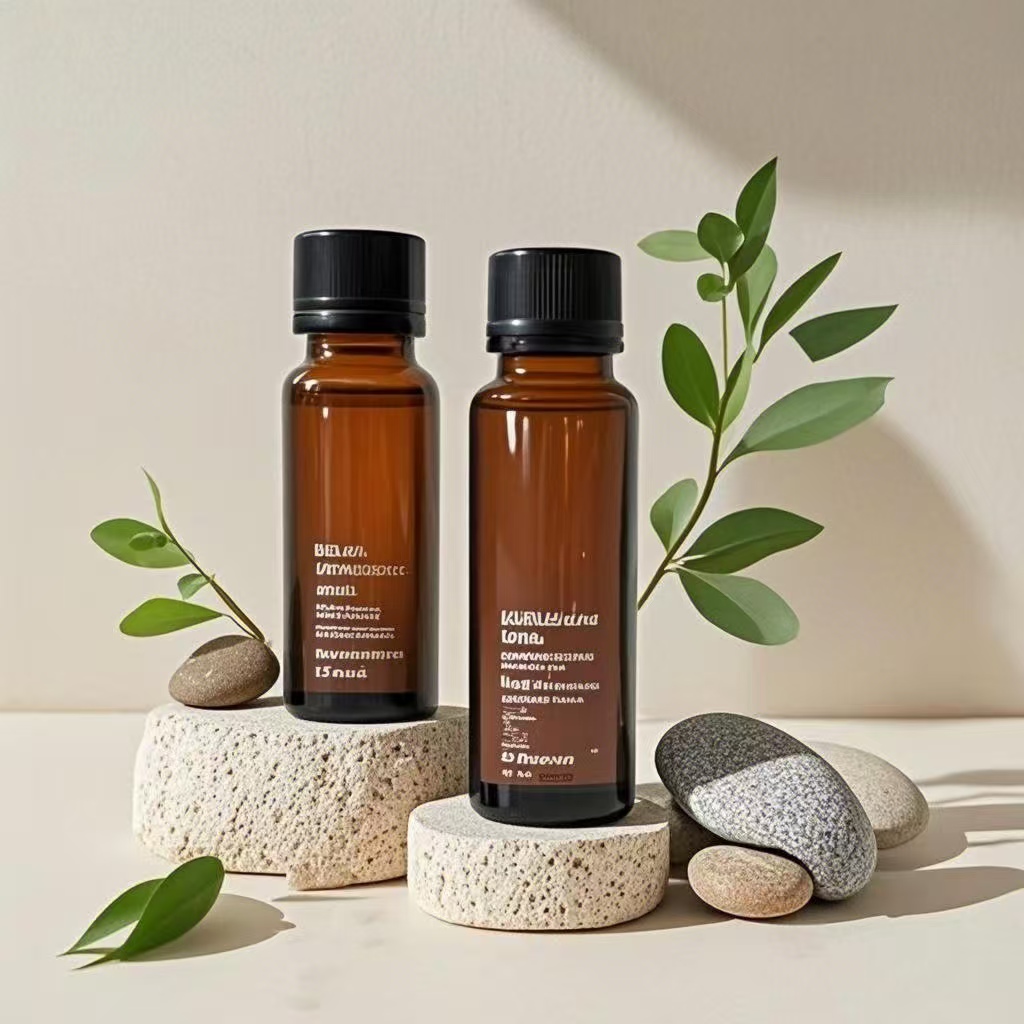
This procurement guide explains how to choose amber glass dropper bottles, roll-on bottles, spray bottles, sample vials, and custom decorated essential oil packaging for OEM and wholesale orders. It focuses on practical sourcing questions: bottle color, capacity, closure compatibility, MOQ, decoration, quality control, lead time, and supplier evaluation.
Why Glass Bottle Selection Matters for Essential Oil Brands
Essential oils and aromatic blends are often volatile, concentrated, and sensitive to packaging compatibility. The bottle needs to protect the product during storage, filling, export shipping, retail display, and daily use. Buyers should evaluate the full package system instead of looking only at the bottle shape.
The full package includes the glass bottle, cap, dropper, pipette, orifice reducer, roll-on ball, spray pump, liner, label, carton, and sometimes a gift box. If one component is mismatched, the whole package can fail. For example, a premium amber glass bottle still creates complaints if the dropper does not fit the neck finish or if the export carton does not protect the glass during shipping.
Compare Glass Colors Before Choosing a Bottle
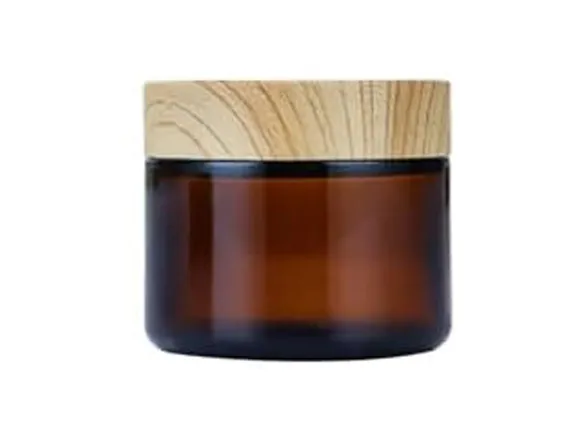
Color is one of the first decisions buyers make, but it should not be based only on appearance. Bottle color affects light protection, brand positioning, label contrast, and product photography. Amber glass is usually the safest default for light-sensitive essential oils. Cobalt blue and green glass can support spa, botanical, or premium positioning. Clear glass works best for samples, gift sets, fast-turn promotions, or products protected by secondary packaging.
| Glass color | Best use | Procurement note |
|---|---|---|
| Amber glass | Pure essential oils, tinctures, herbal extracts | Strong default for light-sensitive products and traditional wellness branding. |
| Cobalt blue glass | Spa products, premium aromatherapy, fragrance oil | Good shelf impact, but buyers should confirm color consistency across batches. |
| Green glass | Botanical, natural, and eco-positioned product lines | Useful for differentiation when paired with clean labels and simple closures. |
| Clear glass | Samples, gift sets, short-turn promotions | Use carefully for light-sensitive formulas unless a carton or outer box protects the bottle. |
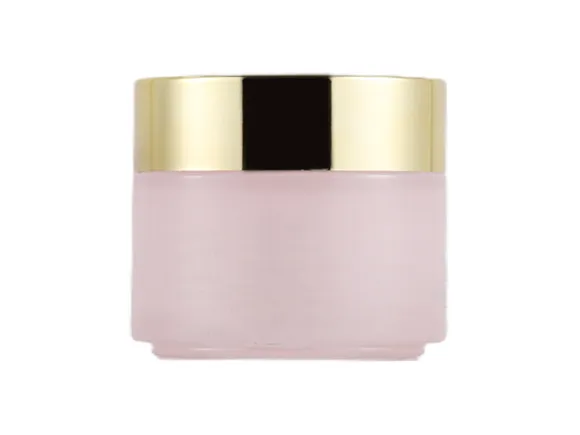
| Frosted glass | Premium skincare oils, spa oils, gift packaging | Creates a soft premium look, but surface finish and scratch resistance should be checked. |
Match Capacity with the Sales Channel
Common essential oil bottle sizes include 5 ml, 10 ml, 15 ml, 30 ml, 50 ml, and 100 ml. A 10 ml bottle is common for pure essential oils and retail sample lines. A 15 ml bottle may suit brands that want a slightly higher perceived value while keeping the product compact. A 30 ml bottle is often used for facial oils, carrier oils, blends, beard oils, and professional-use formulas.
Capacity should match price point, usage frequency, carton size, and filling efficiency. A larger bottle may reduce unit packaging cost, but it may not fit the customer’s expected usage cycle. A smaller bottle can support sampling and discovery, but it may increase label application and packing labor per unit.
Choose the Right Closure for the Product Experience
The closure determines how the customer uses the product. A dropper bottle works well for facial oil, fragrance oil, and measured-use blends. A cap with an orifice reducer is common for pure essential oils. A roll-on bottle is better for perfume oil, travel aromatherapy, and direct application. A spray bottle fits room mist, linen spray, and diluted blends.
| Bottle and closure type | Recommended application | Key risk to check |
|---|---|---|
| Amber dropper bottle | Facial oils, essential oil blends, fragrance oils | Pipette length, bulb quality, neck fit, and leakage during shipping. |
| Bottle with orifice reducer | Pure essential oils and concentrated aromatic formulas | Reducer fit, cap torque, and controlled drop performance. |
| Roll-on glass bottle | Perfume oil, travel sets, wellness kits | Roller ball fit, cap sealing, and formula compatibility. |
| Spray glass bottle | Room sprays, linen sprays, diluted aromatherapy blends | Spray output, pump compatibility, clogging, and cap protection. |
Decoration Options for Private Label Orders
Private label brands often start with stock bottles and labels because this route keeps MOQ and sampling cost manageable. As sales volume becomes more stable, brands may upgrade to silk screen printing, hot stamping, frosting, spray coating, matte coating, or custom color coating. These methods can improve shelf recognition, but they require more careful sampling.
Before approving decoration, buyers should check artwork position, color tolerance, print adhesion, scratch resistance, barcode readability, and label fit. For online brands, product photography also matters. A bottle that looks premium in person should still show its color, closure, and label clearly in marketplace images.
MOQ, Mold Cost, and Lead Time: What Buyers Should Expect
MOQ depends on whether the project uses stock packaging, custom decoration, custom color, or a new mold. Stock amber bottles with standard caps usually have the most flexible MOQ. Custom coating, screen printing, or hot stamping raises MOQ because the supplier needs setup time and production efficiency. New mold development requires drawings, mold cost, sampling, adjustment, and a longer approval cycle.
Lead time should include sample preparation, artwork confirmation, material preparation, bulk production, quality inspection, packing, and export logistics. Buyers should avoid comparing suppliers only by unit price. A cheaper quote can become expensive if it causes leakage, carton damage, delayed launch, or rework.
Quality Control Checks Before Bulk Production
For glass essential oil bottles, quality control should cover both appearance and function. Appearance checks include bottle scratches, bubbles, cracks, color consistency, printing alignment, coating defects, and label placement. Functional checks include closure fit, cap torque, dropper assembly, leakage resistance, reducer fit, spray output, and carton drop protection.
For export orders, ask the supplier how bottles are separated inside cartons, whether cartons are strong enough for sea or air shipment, and how pallets are protected. Request sample photos, packing photos, and inspection details before the goods leave the factory.
Compliance and Documentation Questions
Packaging requirements depend on product category and target market. Essential oil brands should confirm labeling rules, formula claims, child safety requirements when applicable, and any documentation required by distributors or retailers. For products related to food, wellness, or topical use, packaging compatibility and material documentation become more important.
The U.S. FDA explains that food-contact packaging materials may require evaluation when substances can migrate into food. The European Commission also states that food contact materials should not endanger human health or change food composition, taste, or smell. Even when an essential oil product is not sold as food, this packaging mindset is useful: buyers should choose packaging based on intended use, safety expectations, and documentation needs.
Supplier Comparison Checklist
- Can the supplier provide both stock bottles and custom decoration?
- Can they match bottles with droppers, caps, reducers, roll-on balls, and spray pumps?
- Can they explain MOQ by bottle type, decoration method, and color?
- Can they provide samples before bulk production?
- Can they check leakage, closure fit, print adhesion, and carton strength?
- Can they support OEM or ODM projects as the brand grows?
- Can they provide export packing, label support, and shipment documentation?
- Can they give clear quotation details instead of only a single unit price?
How PauPack Supports Essential Oil Bottle Projects
PauPack supports glass bottles, essential oil bottles, perfume bottles, lotion bottles, jars, closures, decoration options, and export packaging solutions for beauty, fragrance, food, and wellness brands. Buyers can start by reviewing related packaging products, learning more about PauPack, or sending bottle capacity, closure preference, decoration method, target quantity, and reference design through the contact page.
FAQ
What is the best glass color for essential oil bottles?
Amber glass is usually the safest default for light-sensitive essential oils. Cobalt blue, green, frosted, and clear glass can also work depending on formula stability, brand positioning, and outer packaging.
What size bottle should a private label essential oil brand choose?
10 ml is common for pure essential oils. 30 ml is often used for blends, carrier oils, facial oils, and professional-use products. Sampling strategy, retail price, and usage frequency should guide the final choice.
Are glass bottles better than plastic bottles for essential oils?
Glass is usually preferred because it gives a premium feel and is suitable for many aromatic formulas. Plastic may be used in some applications, but compatibility and brand positioning must be checked carefully.
Can I customize essential oil bottles at low MOQ?
Low MOQ is easier with stock bottles and labels. Custom printing, coating, hot stamping, or new mold development usually requires higher MOQ and longer lead time.
What should I send to get an accurate quotation?
Send capacity, bottle color, closure type, decoration method, order quantity, destination market, filling method, and any reference images or technical drawings.
How can I reduce leakage risk?
Confirm neck finish, cap torque, liner or reducer fit, dropper assembly, and carton protection. Request samples and leakage checks before approving bulk production.
Which decoration method is best for a new brand?
Labels are usually the most practical starting point because they keep MOQ flexible. Screen printing, hot stamping, frosting, and coating are better when the brand has stable sales volume.
Do I need a custom bottle mold?
Most private label brands can start with stock bottle shapes. A custom mold is useful when the brand needs a unique shape, exclusive packaging identity, or long-term high-volume production.
How long does production usually take?
Lead time depends on stock availability, decoration method, sample approval, order quantity, and packing requirements. Buyers should confirm the schedule before placing the order.
What is the next step for a sourcing team?
Prepare a clear specification sheet with capacity, color, closure, decoration, quantity, market, and packing needs. This helps suppliers quote accurately and reduces back-and-forth communication.