

Choosing between glass dropper bottles, roll-on bottles, and spray bottles is a procurement decision, not only a packaging style choice. The format affects dosage control, leakage risk, filling speed, retail presentation, carton protection, and how confidently a buyer can scale the product line.
This comparison guide is written for private label essential oil brands, aromatherapy companies, spa product buyers, fragrance oil suppliers, and OEM sourcing teams that need a practical way to compare bottle formats before requesting samples or quotations from a packaging supplier.
Packaging Format Changes the Product Experience
A bottle is part of the product experience. A dropper bottle supports measured use, a roll-on bottle supports direct portable application, and a spray bottle supports wider distribution of diluted formulas. The best option depends on the formula, the intended use, the sales channel, and the filling process.
For B2B buyers, the safest starting point is to define the use case first. Pure essential oils usually need protective glass, tight caps, and controlled dispensing. Carrier oil blends may need droppers or roll-ons. Room sprays, pillow sprays, and diluted aromatherapy products may work better with fine mist sprayers.
Quick Comparison: Dropper, Roll-On, and Spray Bottles
| Packaging format | Best fit | Buyer checks | Common risk |
|---|---|---|---|
| Glass dropper bottle | Measured essential oils, carrier oil blends, facial oils, tinctures | Neck finish, pipette length, bulb material, reducer fit, cap torque | Leaking dropper assembly or poor dosage control |
| Roll-on bottle | Perfume oil, travel aromatherapy, topical blends, promotional sets | Roller ball material, housing fit, cap seal, formula viscosity | Roller drag, cap leakage, or formula incompatibility |
| Spray bottle | Room fragrance, pillow sprays, diluted essential oil mist, wellness sets | Spray pump output, dip tube length, closure fit, mist pattern | Clogging, uneven mist, or pump leakage during shipping |
Glass Dropper Bottles: Best for Measured Essential Oil Use
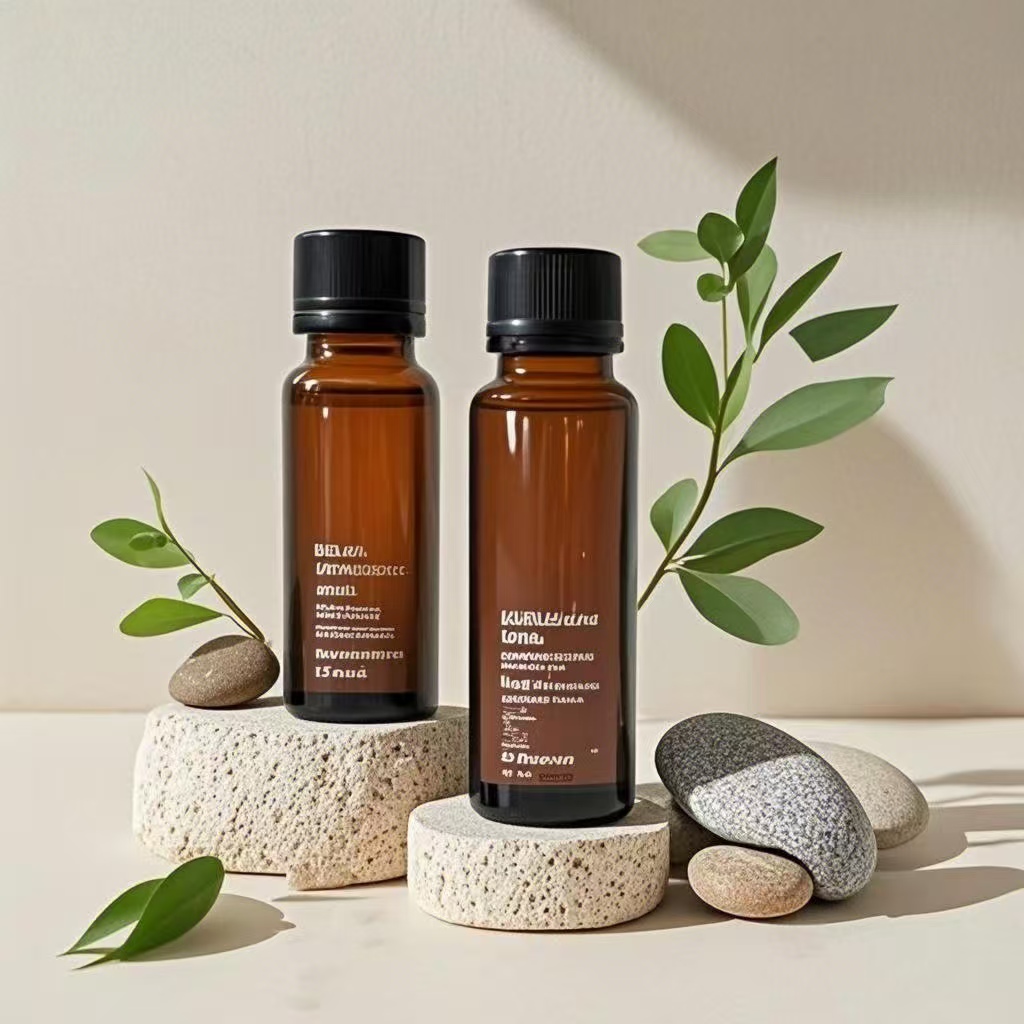
Glass dropper bottles are often chosen when a buyer wants controlled dosage and a premium apothecary look. They are suitable for essential oils, facial oils, beard oils, fragrance oils, herbal extracts, and small-batch wellness products. Amber glass is commonly used when the formula needs more light protection, while cobalt, green, and clear glass may support a more distinctive retail identity.
The most important procurement checks are neck finish, thread compatibility, pipette length, bulb material, cap torque, and carton protection. A bottle can look correct in photos but fail during filling or shipping if the dropper assembly does not match the bottle tolerance. Buyers should request samples and leakage checks before approving bulk production.
Roll-On Bottles: Best for Portable Direct Application
Roll-on bottles are useful when the consumer applies the product directly to skin or pulse points. They are common for perfume oils, aromatherapy blends, massage oils, spa retail products, and travel-size wellness kits. A roll-on format can make the product easier to use without requiring the customer to count drops or carry a separate applicator.
The roller ball and housing matter as much as the bottle. Stainless steel balls feel cool and premium, while plastic balls may be suitable for lighter commercial lines. Buyers should test viscosity, roller movement, cap seal, and after-use leakage. For retail sets, secondary packaging should prevent abrasion between bottles during transit.
Spray Bottles: Best for Diluted Aromatherapy and Room Fragrance
Spray bottles work best for formulas that need broad distribution rather than drop-by-drop dosage. Common uses include room sprays, pillow sprays, hair fragrance, linen sprays, diluted aromatherapy mists, and wellness gift sets. The pump should create a consistent mist pattern and should not clog after repeated use.
Sprayer selection should include pump output, dip tube length, cap fit, actuator comfort, and formula compatibility. Some essential oil blends can affect pump performance if the formula is too concentrated or contains particles. For export shipments, buyers should confirm pump locking method, leakage tests, and carton orientation.
Closure Compatibility Matters More Than Bottle Shape
Many sourcing problems start when a buyer chooses a bottle shape first and checks the closure later. The closure system is what protects the product during filling, transport, storage, and use. A dropper, roller, or spray pump must match the neck finish, liner requirement, formula viscosity, and expected handling environment.
Before confirming a design, prepare a clear specification sheet that includes bottle capacity, glass color, closure type, decoration method, filling method, target market, carton requirement, and estimated order quantity. This makes supplier comparison easier and reduces back-and-forth communication.
MOQ, Decoration, and Launch Planning
MOQ depends on the bottle model, glass color, closure availability, decoration method, and whether the buyer needs a stock item or a custom mold. Stock amber or clear bottles with labels usually offer the most flexible launch path. Screen printing, hot stamping, frosting, spray coating, and custom color coating can improve brand presentation but may require higher MOQ and longer lead time.
New brands should avoid over-customizing the first order unless the sales forecast is stable. A practical launch plan is to start with a stock bottle, confirm formula compatibility, test customer response, and then upgrade decoration after the SKU proves demand.
Quality Control Checklist Before Bulk Orders
- Confirm bottle capacity, dimensions, neck finish, and weight tolerance.
- Test dropper, roller, or spray closure compatibility with the actual formula.
- Request leakage, cap torque, and carton drop-test information where applicable.
- Check decoration durability, label adhesion, color consistency, and logo position.
- Confirm inner packing, export carton strength, pallet plan, and shipping marks.
- Ask for pre-production samples before mass production when decoration is involved.
For buyers shipping to multiple markets, it is also useful to confirm labeling space and retail packaging requirements early. Packaging can support compliance, but formula claims, safety statements, and market regulations should be checked by the buyer’s regulatory or legal team.
Which Bottle Type Should a New Brand Choose?
If the product is a pure essential oil or facial oil that needs measured dosage, a glass dropper bottle is usually the strongest starting point. If the product is a perfume oil or topical aromatherapy blend, a roll-on bottle may give a better user experience. If the product is a diluted mist or room fragrance, a spray bottle is usually more practical.
The best decision is not always one format for the whole brand. Many private label lines use a small bottle family: dropper bottles for oils, roll-on bottles for travel blends, and spray bottles for mists. This keeps the brand presentation consistent while matching each formula to the right dispensing method.
How PauPack Supports Essential Oil Packaging Projects
PauPack packaging products include glass bottle options for essential oil, fragrance, skincare, and private label packaging projects. Buyers can compare bottle formats, closures, glass colors, and decoration paths based on the formula and launch plan.
As a packaging supplier, PauPack helps sourcing teams clarify specifications before quotation, including capacity, closure, decoration, MOQ, lead time, and packing details. For a project quote, buyers can send bottle size, closure type, decoration requirements, quantity, target market, and reference images through the PauPack contact page.
FAQ
Are dropper bottles better than roll-on bottles for essential oils?
Dropper bottles are better when the product needs measured dosage. Roll-on bottles are better when the product is designed for direct portable application, such as perfume oil or topical aromatherapy blends.
When should a brand choose spray bottles?
Spray bottles are a better fit for diluted formulas that need broad coverage, such as room fragrance, linen spray, pillow spray, and aromatherapy mist products.
Which bottle type has the highest leakage risk?
Any format can leak if the closure does not match the bottle and formula. Spray pumps and droppers often need extra attention because they include more components and sealing points.
Can I use the same glass bottle for dropper and spray caps?
Sometimes yes, but only if the neck finish, thread, tube length, closure diameter, and formula compatibility are confirmed. Buyers should not assume interchangeability without samples.
What MOQ should new essential oil brands expect?
MOQ is usually more flexible for stock bottles with labels. Custom coating, screen printing, hot stamping, and custom molds normally require higher MOQ and longer lead time.
What information should I send for an accurate quotation?
Send capacity, bottle color, closure type, decoration method, order quantity, destination market, filling method, packaging requirements, and any reference images or drawings.