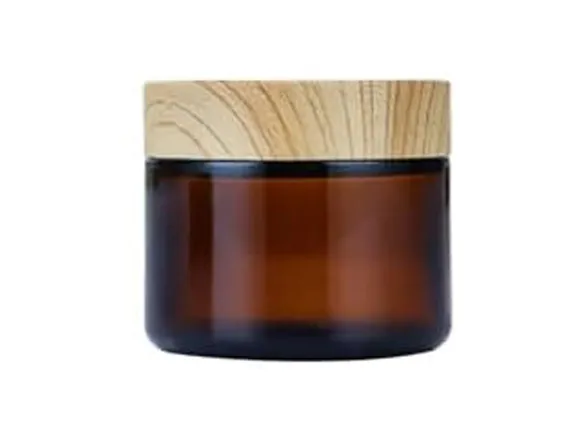


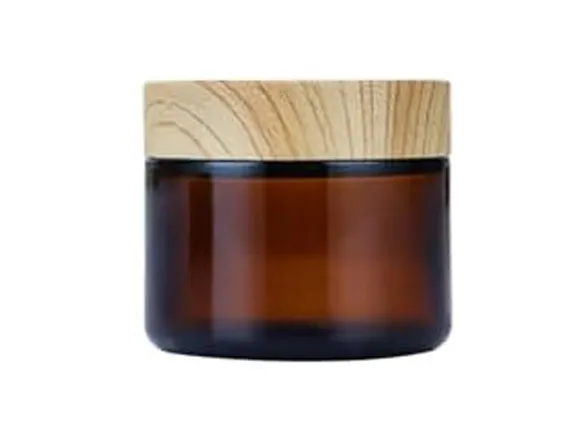
Amber cosmetic packaging is useful when a brand needs a darker visual identity or wants to investigate light-management options, but color alone is not a complete protection claim. The jar, formula, closure, storage conditions and validation plan still have to be reviewed together.
For buyers evaluating amber glass cosmetic jars, the fastest route is an application map. Define the product scenario first, then decide what the colored glass must contribute to function, brand presentation and production control.
Application Map: What Job Must the Jar Do?
| Product scenario | Packaging question | Evidence to request |
|---|---|---|
| Eye cream | Can the consumer dose a small amount cleanly? | Capacity, opening and insert samples |
| Face cream | Does the jar support repeated daily use? | Closure fit and handling trial |
| Balm | Is product access practical at the intended texture? | Formula-filled sample |
| Treatment mask | Does the fill weight match the visual volume? | Capacity and fill-line review |
| Gift set | Does the amber tone coordinate across components? | Grouped decorated samples |
PauPack's glass cream jar range and health and beauty packaging provide starting formats for this comparison.
Decision 1: Define the Amber Reference
The word amber can describe noticeably different tones. Approve color using physical samples under consistent light, with the real formula or a representative fill inside the jar. Record whether the accepted appearance comes from colored glass, coating or another finish process.
Review the jar from the front, base and thick glass areas. Glass thickness can change the apparent tone, so a small chip or digital swatch is not enough.
Decision 2: Treat Light Management as a Test Question
Do not turn a dark color into an unsupported performance promise. The product owner should define the formula's sensitivity, relevant wavelengths, exposure conditions, shelf life and test method with qualified technical specialists.
The packaging supplier can provide samples and construction information. The brand or its laboratory should confirm whether the complete pack performs for the intended product and market.
Decision 3: Match the Closure to Consumer Use
Compare cap threads, liner or sealing elements where applicable, inner disc options, spatula use and installed height. A visually premium lid can still create a poor experience if it is difficult to align or leaves product in awkward contact areas.
Test several units for:
- Smooth opening and closing
- Consistent installed position
- Appropriate access to the formula
- Visible residue around the neck
- Compatibility with an inner disc or liner
- Protection inside the retail carton
PauPack's custom design service can connect the lid, decoration and carton to one approved presentation.
Decision 4: Build Decoration Around Dark Glass

Amber changes contrast. Fine black artwork may disappear, while opaque white, metallic or label-based decoration may become more visible. Test the real artwork at final size rather than approving it only on a bright screen.
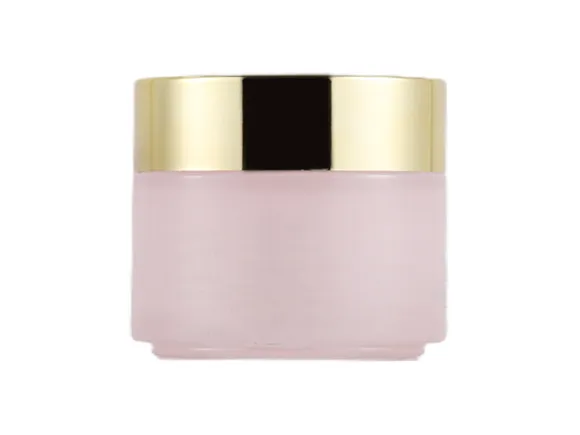
Create three views: a front retail view, a full rotation view and a grouped line view. The grouped view is important when the range includes clear, frosted and amber packs.
Decision 5: Compare Four Jar Sizes by Use
| Capacity band | Likely role | Buyer check |
|---|---|---|
| 10-20g | Eye or concentrated treatment | Finger access and decoration readability |
| 30g | Focused facial product | Fill weight and perceived value |
| 50g | Core face cream | Daily handling and carton efficiency |
| 80-100g | Mask or body treatment | Weight, opening and shipping protection |
Use actual product density when comparing nominal jar volume with declared fill weight.
Create a Formula-Filled Approval Set
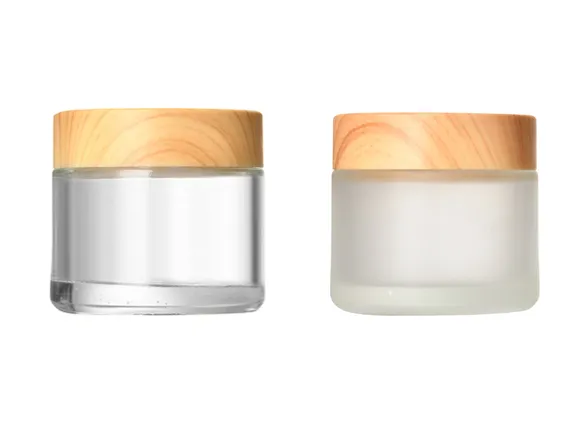
Approve more than an empty jar. Keep an empty component reference, a formula-filled sample, a decorated sample and a packed sample. Label each with the component code, date and decision status.
The filled sample reveals color interaction, headspace, product visibility and residue patterns that empty-pack photography cannot show.
Write the Incoming Inspection Standard
Define critical, major and cosmetic observations. Include cracks, chips, unstable bases, closure mismatch, unacceptable color variation, decoration position and packing damage. Use physical accepted and rejected examples where possible.
PauPack's quality management and services pages can support inspection and pack-out discussions.
For wider sourcing context, compare these requirements with PauPack's cosmetic jars wholesale guide, especially when the amber SKU must share lids or cartons with clear and frosted jars.
Build the RFQ Around the Application Map
Provide formula type, target fill weight, jar capacity, amber reference, closure, liner or inner disc, decoration, quantity by SKU, retail carton, export packing, destination and timing.
The right amber glass cosmetic jars program connects color, formula, closure and evidence. It does not rely on the amber appearance as a substitute for product-specific validation.
Frequently Asked Questions
Are amber glass cosmetic jars automatically UV proof?
No. The product owner should define and test the required light-management performance for the actual formula and pack.
Should amber color be approved from a digital sample?
Use physical jars under controlled lighting, ideally with the intended formula inside, and retain the accepted reference.
Which closure works best with an amber cream jar?
The answer depends on formula access, sealing needs, cap material, liner, decoration, carton and consumer use.
What belongs in an amber cosmetic jar RFQ?
Include formula type, fill weight, capacity, color reference, closure, decoration, quantity, tests, packing and destination.