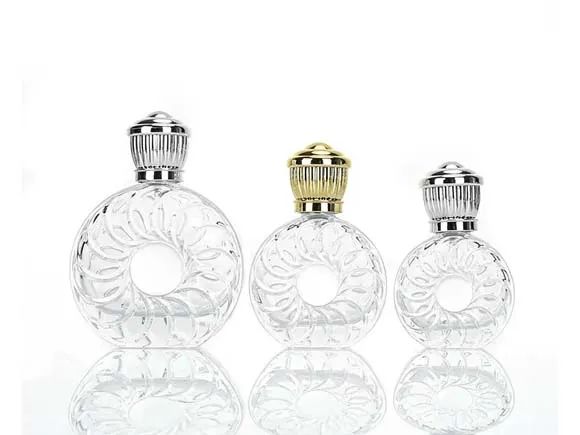


Choosing essential oil bottle closures is as important as choosing the glass bottle itself. The closure controls dispensing, leakage risk, user experience, filling efficiency, carton protection, and how the product feels in a retail or professional use scenario. A bottle that looks correct can still fail if the cap, dropper, reducer, pump, or roller assembly does not match the formula and sales channel.
This comparison guide is written for private label essential oil brands, aromatherapy companies, skincare oil buyers, fragrance suppliers, and OEM packaging teams. It compares common closure options from a sourcing perspective so buyers can prepare better specifications before requesting samples or quotations from PauPack's glass bottle product range.
Fast Answer for Buyers
Essential oil bottle closures should be selected by formula viscosity, dosage control, product size, consumer habit, leakage risk, and decoration plan. Droppers are strong for facial oils and measured-use blends. Orifice reducers are practical for pure essential oils. Roll-on caps work well for perfume oils and travel aromatherapy. Spray pumps are useful for room fragrance and body mist formulas. Simple screw caps are best when the product is used with a separate applicator or needs tight sealing.
The safest sourcing decision is to test complete assembled samples, not just separate bottles and caps. A closure must fit the neck finish, seal correctly, survive shipping, and dispense the formula consistently.
Closure Options at a Glance
| Closure type | Best use | Main strength | Buyer caution |
|---|---|---|---|
| Glass dropper | Facial oils, serum oils, measured blends | Premium look and controlled dosing | Bulb, pipette, cap torque, and formula compatibility must be checked |
| Orifice reducer | Pure essential oils and small aromatic blends | Simple dispensing and low component complexity | Flow rate must match viscosity and consumer use habit |
| Roll-on cap | Perfume oil, pulse-point oils, travel aromatherapy | Direct application and portable use | Roller ball smoothness and leakage protection need testing |
| Spray pump | Room spray, linen spray, body mist, dilute fragrance | Fast application and wider coverage | Formula viscosity and pump spray pattern must be confirmed |
| Screw cap | Refill bottles, samples, bulk kits, lab use | Simple sealing and lower cost | May require separate applicator or secondary instructions |
Glass Droppers: Premium, Measured, and Detail-Sensitive
Glass droppers are popular for facial oil, beard oil, carrier oil blends, and premium aromatherapy products. They give the consumer a measured-use experience and create a high-value shelf impression. For private label brands, glass dropper bottles also support clear product photography and premium unboxing.
The sourcing risk is that a dropper is not one component. It includes cap, bulb, pipette, collar, and sometimes wiper or sealing structure. Buyers need to confirm pipette length, bulb material, cap material, neck finish, thread compatibility, and whether the dropper closes firmly after repeated use.
For essential oil bottle closures, droppers should be tested with the actual formula. Some formulas are thin and volatile, while others are thicker carrier oil blends. A dropper that works for one blend may not dispense another blend in the same way.
Orifice Reducers: Practical for Pure Essential Oils
Orifice reducers are often used for small essential oil bottles because they allow drop-by-drop dispensing without a pipette. They are simple, compact, and familiar to consumers who buy pure essential oils. This makes them a practical choice for 5 ml, 10 ml, and 15 ml amber glass bottles.
The key sourcing point is flow control. If the reducer hole is too large, the product can dispense too quickly. If it is too small, the user may shake the bottle too aggressively. Buyers should test sample reducers with the real formula and the expected bottle angle.
Reducers also need to be checked with the cap and bottle mouth. A poor fit can create leakage risk during transport. For online sales channels, carton protection and cap torque checks are especially important.
Roll-On Closures: Convenient for Direct Application
Roll-on closures are useful when the consumer applies oil directly to the skin. They are common for perfume oil, pulse-point aromatherapy, travel wellness products, and small skincare oil blends. The user does not need to pour or measure the formula, which makes the product convenient for daily use.
Roll-on sourcing should focus on ball material, rolling smoothness, cap tightness, and leakage control. Stainless steel, glass, and plastic roller balls can feel different during application. The best option depends on formula, brand positioning, and target price range.
For wholesale or OEM packaging, buyers should request assembled roll-on samples and run inverted leakage checks. This is especially important for products shipped through ecommerce channels.
Spray Pumps: Useful Only When Formula and Use Case Fit
Spray pumps are suitable for products that need a mist or wider coverage. Examples include room sprays, linen sprays, fragrance sprays, body mists, and certain diluted essential oil blends. They are less suitable for thick oils or formulas that can clog the pump.
When comparing spray pumps, buyers should check spray pattern, output volume, actuator feel, dip tube length, cap fit, and whether the pump needs a protective overcap. A spray pump can change the perceived value of the product, but it also adds more moving parts.
For essential oil brands, spray packaging should be evaluated carefully because many pure oils are not designed for direct spray use. Formula safety, labeling, and intended application must be reviewed by the buyer's technical team.
Screw Caps: Simple, Stable, and Often Overlooked
Screw caps are sometimes the best closure when the product does not need built-in dispensing. They can work for refill bottles, professional kits, samples, bulk packs, and products used with a separate applicator. A simple cap can also reduce component complexity and improve supply flexibility.
However, simple does not mean careless. Buyers still need to confirm liner material, cap torque, thread match, sealing performance, and carton protection. If the product will be opened frequently, cap feel and durability also matter.
Screw caps can be a smart first-stage choice for brands testing a new formula before investing in more complex packaging.
How Closure Choice Affects MOQ and Lead Time
Closure selection can change MOQ and lead time. Stock black caps and common reducers may be available quickly. Custom color caps, special droppers, coated caps, branded collars, or unusual pump sizes can require higher MOQ and longer preparation time. This is why closure decisions should be made early, not after bottle selection is finished.
A buyer comparing suppliers should ask whether the quote includes complete assembled sets. If one supplier quotes bottles only and another quotes bottles with caps, droppers, and packing, the prices cannot be compared directly.
For more planning detail, buyers can also review PauPack's article on essential oil bottle MOQ and lead time.
Quality Checks for Essential Oil Bottle Closures
| Check item | Why it matters | Buyer action |
|---|---|---|
| Neck finish match | Prevents loose closure or thread mismatch | Request complete assembled samples |
| Leakage test | Reduces shipping and customer complaint risk | Test upright, inverted, and carton-packed samples |
| Dispensing performance | Controls user experience and dosage | Test with the actual formula, not only water |
| Material compatibility | Protects formula quality and closure function | Confirm bulb, liner, pump, and roller materials |
| Decoration fit | Maintains premium look and label clearance | Check cap color, logo position, and label layout together |
Specification Checklist Before Requesting a Quote
A clear closure specification should include bottle capacity, neck finish, closure type, cap color, liner or reducer requirement, dropper pipette length, pump output if relevant, roller ball material, decoration method, order quantity, destination market, packing requirement, and target launch date.
Buyers should also state whether they need samples for formula testing, visual approval, filling line checks, or retail presentation. These are different sample goals and may require different sample sets.
To discuss a closure and bottle combination, send the project details through the PauPack contact page. The clearer the request, the faster a supplier can confirm practical options.
Supplier Evaluation: What to Ask
A reliable supplier should be able to explain which essential oil bottle closures are stock, which closures require custom MOQ, and which combinations have already been used in similar projects. The supplier should also warn buyers when a closure choice creates unnecessary cost or lead time.
Ask for assembled sample photos, packing photos, inspection standards, and closure compatibility notes. Buyers can also review PauPack's company background when comparing packaging partners.
FAQ
Which closure is best for pure essential oils?
Orifice reducers are often practical for pure essential oils because they support drop-by-drop dispensing and keep the component structure simple.
Are glass droppers better for facial oils?
Glass droppers are often preferred for facial oils and measured-use blends because they look premium and help the consumer control dosage.
Can roll-on bottles be used for essential oil blends?
Yes, roll-on bottles can work well for diluted perfume oils, pulse-point aromatherapy, and travel blends. Buyers should test roller smoothness and leakage resistance.
Do spray pumps work with all essential oils?
No. Spray pumps work better with suitable diluted formulas. Thick oils or formulas that can clog the pump should be tested carefully before production.
What closure details affect MOQ?
Custom cap color, special droppers, branded collars, uncommon pump sizes, and decoration requirements can increase MOQ and lead time.
What should I test before approving a closure?
Test neck fit, leakage, dispensing performance, cap torque, material compatibility, and packing protection with the actual formula and assembled bottle.