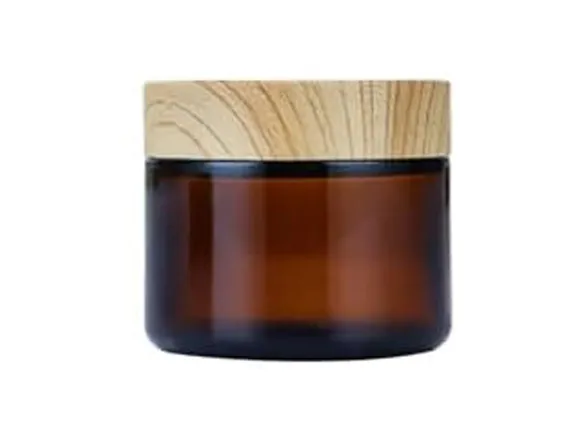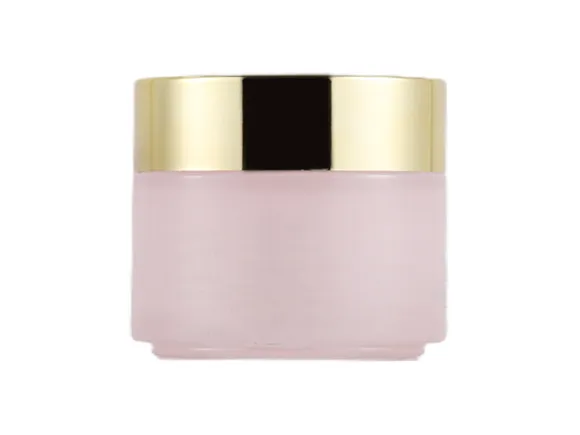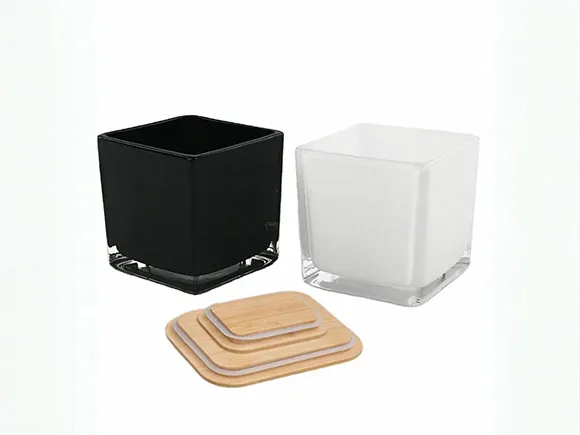


For a private label essential oil brand, essential oil bottle MOQ and lead time are not only purchasing numbers. They affect launch schedule, cash flow, packaging consistency, sample approval, and whether the finished product can reach the market on time. Buyers often ask for the lowest possible MOQ, but the practical answer depends on bottle type, color, closure, decoration method, stock availability, and packing requirements.
This guide explains how sourcing teams can plan essential oil bottle MOQ and lead time before requesting a quotation. It is written for brand owners, product managers, distributors, and OEM buyers comparing stock glass bottles, decorated bottles, and custom packaging projects. For product direction, buyers can also review PauPack's glass bottle product range before preparing specifications.
Fast Answer for Buyers
Essential oil bottle MOQ is usually lower when the buyer chooses stock bottle shapes, standard colors, and simple labels. MOQ becomes higher when the project needs custom color coating, screen printing, hot stamping, special caps, custom cartons, or a new mold. Lead time follows the same logic: stock packaging can move faster, while custom decoration and tooling require more approval steps.
The best sourcing approach is to separate the project into three levels: stock bottle purchase, decorated stock bottle, and fully custom packaging. This helps suppliers quote accurately and helps buyers avoid comparing offers that are not truly equivalent.
What MOQ Really Means in Essential Oil Bottle Sourcing
MOQ means minimum order quantity, but it can refer to different parts of the packaging order. A supplier may have one MOQ for the glass bottle, another MOQ for the closure, another MOQ for decoration, and another MOQ for cartons or labels. If a buyer only asks for one MOQ number, the quotation can become unclear.
For example, a 10 ml amber glass bottle may be available from stock, but a custom printed logo may require a separate printing MOQ. A black screw cap may be available immediately, while a custom color cap may need a larger quantity. A dropper assembly, roller ball, or spray pump may also have its own inventory situation.
When comparing quotations, buyers should ask whether the MOQ includes bottles only, complete sets, decorated bottles, retail packaging, or export cartons. This single question prevents many misunderstandings before sampling.
MOQ Planning by Project Type
| Project type | Typical MOQ pressure | Lead time pressure | Buyer note |
|---|---|---|---|
| Stock bottle with stock closure | Lower | Shorter | Best for testing a new formula or first market launch |
| Stock bottle with label application | Low to medium | Short to medium | Good balance for private label brands that need flexible quantity |
| Screen printing or hot stamping | Medium | Medium | Artwork approval and printing setup must be included in the schedule |
| Color coating, frosting, or custom finish | Medium to high | Medium to long | Requires sample confirmation and color tolerance control |
| Custom bottle mold | High | Longest | Useful only when the brand needs exclusive shape or long-term volume |
Stock Bottles: The Practical Starting Point
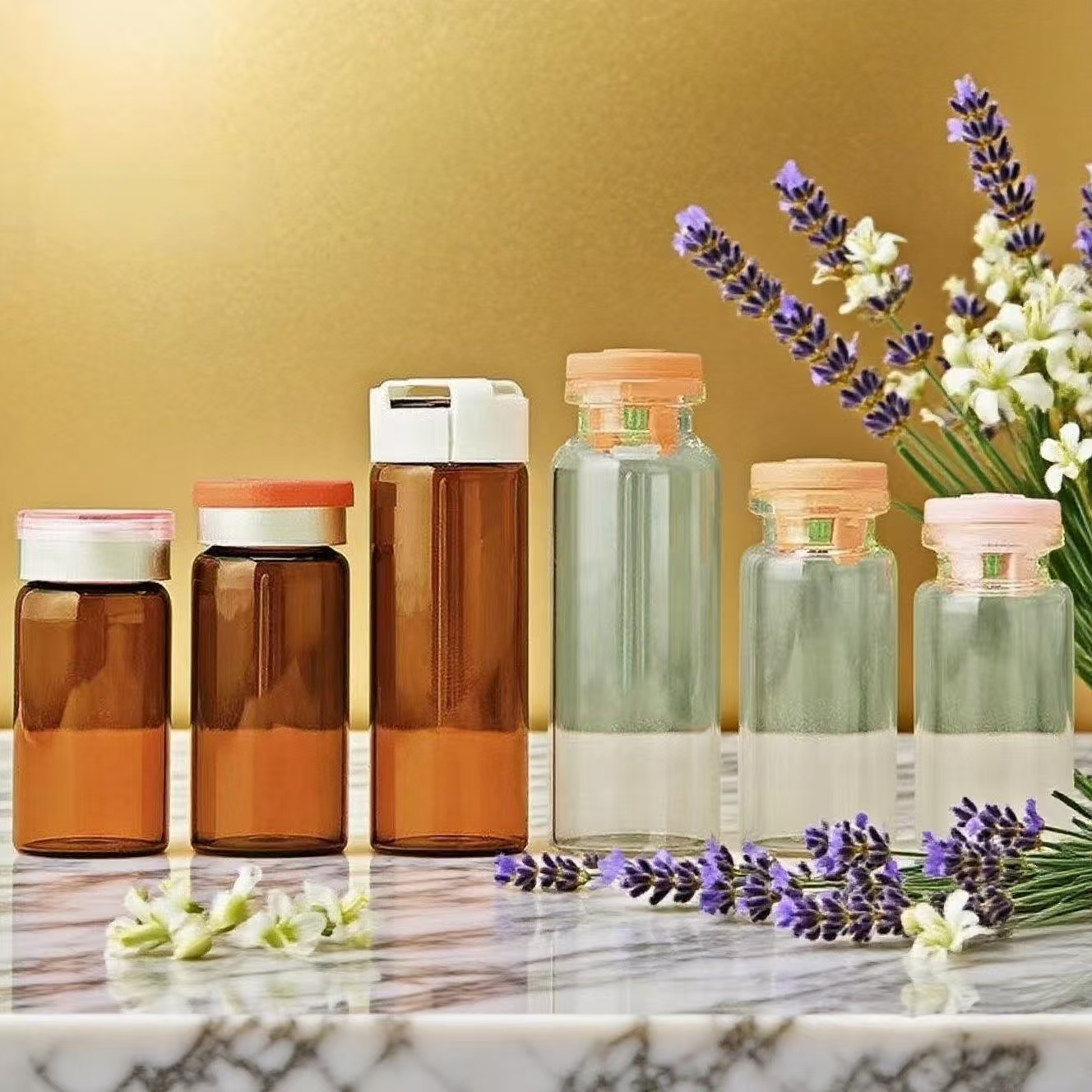
Stock bottles are often the safest starting point for new essential oil brands. They allow buyers to test size, closure, label design, filling method, and carton packing before committing to a larger custom project. Common capacities include 5 ml, 10 ml, 15 ml, 30 ml, and 50 ml, depending on the product line and sales channel.
Stock does not mean generic or low value. A brand can still create a strong shelf presence with the right bottle color, closure, label material, and secondary packaging. The advantage is that stock components reduce tooling risk and can make sampling faster.
Buyers planning first orders should ask suppliers which items are regularly stocked, which closures match the same neck finish, and whether the same bottle family is available across multiple capacities. This keeps future line extensions easier.
Decoration Adds Value, but It Changes MOQ
Decoration is where many MOQ surprises appear. Labels are usually the most flexible option because they allow smaller batch adjustments and easier artwork changes. Screen printing, hot stamping, frosting, spray coating, and custom color coating can look more integrated, but they add setup work and may require higher minimum quantities.
For essential oil bottles, decoration also needs to survive handling, filling, wiping, shipping, and retail use. Buyers should not choose decoration only from a product photo. They should request decorated samples, check rubbing resistance, confirm color consistency, and make sure the decoration does not interfere with barcode placement or regulatory label information.
If the brand is still testing positioning, labels can be a practical first stage. Once monthly sales volume becomes stable, the brand can move toward direct printing or premium finishing.
Lead Time Is a Chain, Not One Date
Lead time should be broken into stages. A complete packaging timeline may include quotation review, specification confirmation, sample preparation, sample shipping, artwork adjustment, deposit payment, material preparation, decoration production, inspection, packing, and export arrangement.
If one stage is delayed, the whole schedule can move. This is why a buyer should not only ask, “How many days for production?” A better question is, “What are the approval steps, and which materials must be confirmed before production starts?”
For urgent launches, buyers should separate what must be custom from what can remain standard. A standard bottle with a strong label may reach market faster than a fully customized bottle that misses the retail window.
Key Factors That Influence Lead Time
| Factor | Why it matters | What buyers should confirm |
|---|---|---|
| Bottle availability | Stock changes quickly during busy seasons | Confirm available quantity and reserve policy |
| Closure compatibility | Caps, droppers, reducers, and pumps must match neck finish | Request complete assembled samples |
| Decoration method | Printing and coating require setup and curing time | Approve artwork and color sample before bulk production |
| Quality inspection | Defects can delay shipment if inspection is too late | Set AQL, appearance checks, leakage checks, and packing checks |
| Export packing | Glass bottles need protective packing for transport | Confirm carton size, divider, pallet, and drop-test needs |
MOQ and Cash Flow: Why Bigger Is Not Always Better
A higher MOQ may reduce unit price, but it can increase inventory pressure. For a new brand, too much packaging stock can tie up cash and create risk if the formula, label, or sales channel changes. A lower MOQ may have a higher unit cost, but it can help the buyer validate demand before scaling.
The right MOQ depends on forecast accuracy. If the buyer has confirmed retail orders or repeat distributor demand, a higher quantity may be reasonable. If the product is a test launch, a smaller batch with flexible decoration may be safer.
Buyers should compare total landed cost, not only unit price. Freight, cartons, inspection, labeling, and storage can change the real cost picture.
Quality Checks That Should Be Planned Before Ordering
MOQ and lead time planning should include quality control. Glass essential oil bottles need checks for appearance, capacity, weight, neck finish, closure fit, cap torque, leakage, dropper assembly, spray performance, roller ball smoothness, and carton protection. The exact checklist depends on the bottle type.
For aromatic formulas, buyers should also confirm compatibility between the formula and closure parts. Some oils may interact differently with liners, bulbs, or plastic components. Packaging supports product quality, but formula compatibility still needs buyer-side technical review.
A practical sourcing team requests pre-production samples, confirms the final specification sheet, and sets inspection points before bulk production. This reduces last-minute disputes.
Information to Send for an Accurate Quote
A clear request saves time. Before contacting a supplier, prepare bottle capacity, glass color, bottle shape, neck finish, closure type, decoration method, order quantity, destination country, packing requirement, target launch date, and reference images. If the product will use a dropper, roller, or spray pump, specify the dispensing method clearly.
Buyers should also state whether they need stock packaging, private label decoration, or a custom mold. PauPack can review the project direction and help buyers compare practical options. To discuss an upcoming order, send specifications through the PauPack contact page.
Supplier Evaluation Checklist
A reliable packaging supplier should be able to explain MOQ by component, identify which items are stock, confirm decoration limitations, provide samples, support quality checks, and communicate realistic lead time. The supplier should also help buyers avoid over-customizing too early.
Before placing an order, buyers can ask for similar project examples, packing photos, inspection standards, and shipping recommendations. Company background and service capability also matter; buyers can review PauPack's packaging service background when evaluating fit.
Decision Guide: When to Choose Each Sourcing Path
Choose stock bottles when the brand needs speed, flexible quantity, and a practical first launch. Choose labeled stock bottles when the brand wants a custom identity without heavy tooling pressure. Choose direct printing or coating when sales volume is more stable and the brand needs a more premium finish. Choose a custom mold only when the product line has long-term volume and the bottle shape must be exclusive.
The strongest sourcing decision is not always the most customized one. It is the one that matches launch timing, budget, formula needs, and realistic sales volume.
FAQ
What is a reasonable MOQ for essential oil bottles?
It depends on stock availability, bottle size, closure type, and decoration method. Stock bottles usually allow more flexibility, while custom printing, coating, or mold development usually increases MOQ.
Does a lower MOQ always mean a better first order?
No. A lower MOQ can reduce inventory pressure, but the unit price may be higher. Buyers should compare total cost, launch risk, and sales forecast before deciding.
Which decoration method is best for small private label orders?
Labels are often the most flexible starting point. They allow artwork changes and smaller batch testing before moving to screen printing, hot stamping, or custom coating.
What can delay essential oil bottle lead time?
Common delays include unclear specifications, artwork revisions, closure mismatch, sample approval delays, decoration color issues, inspection problems, and export packing changes.
Should I approve samples before bulk production?
Yes. Samples help confirm bottle appearance, closure fit, decoration, filling compatibility, and packing expectations before committing to a larger production run.
What information should I send to PauPack for a quotation?
Send capacity, bottle color, closure type, decoration method, order quantity, destination country, packing needs, launch schedule, and any reference images or drawings.