

A custom glass bottle manufacturer should be evaluated through evidence that follows the bottle from concept to repeat production. PauPack organizes that evidence in six “drawers,” giving buyers a practical way to distinguish design promises from controlled manufacturing capability.
Drawer 1 Holds the Design Inputs
File target capacity, overflow definition, neck finish, bottle footprint, weight range, use orientation, closure interface and decoration zones. PauPack's design service turns the brief into reviewable drawings instead of leaving critical dimensions inside presentation renders.
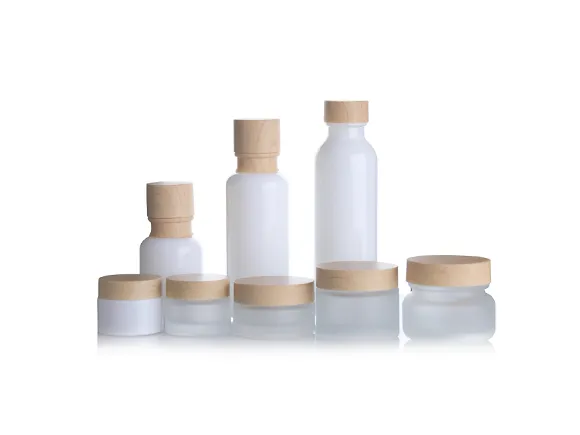
Drawer 2 Holds Tool Ownership and Maintenance
Record mold owner, cavity identification, tool location, maintenance responsibility, expected life and replacement approval. Clarify which changes require buyer authorization. PauPack's bottle manufacturing program connects development milestones with the released production route.
Drawer 3 Holds Glass and Process Identity
Identify material source, furnace or supply route, forming process, annealing control and lot traceability at the level relevant to the program. Evidence should explain which site actually makes the bottle and which activities are coordinated by partners.
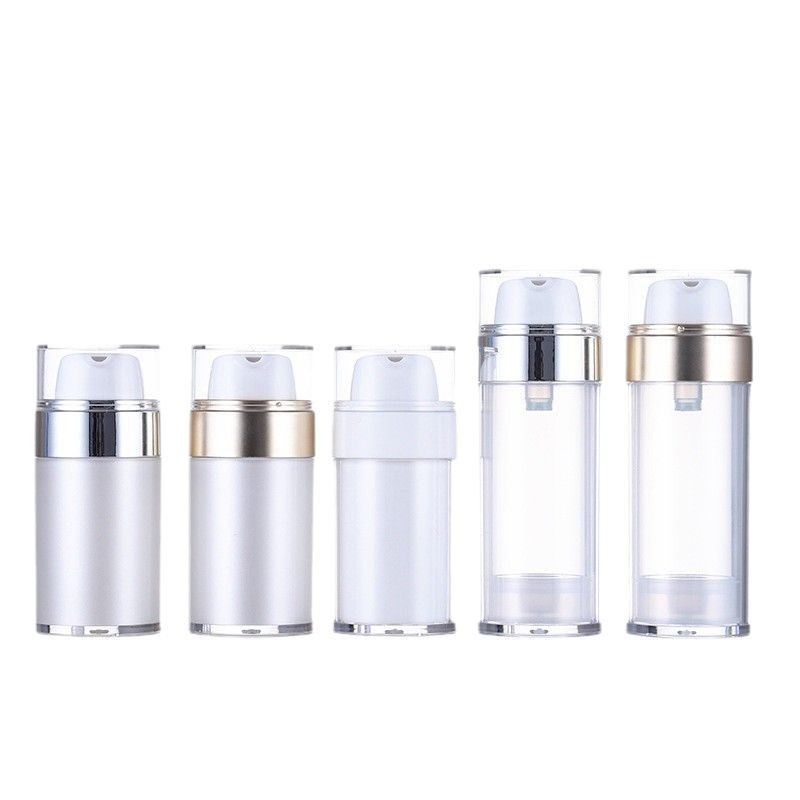
Drawer 4 Holds Decoration Handoffs
A capable custom glass bottle manufacturer maps coating, frosting, printing, labeling or metallization whether performed in-house or by approved partners. Record artwork, color range, position, protected surfaces, physical masters and subcontractor change controls.
Drawer 5 Holds Quality Decisions
Separate incoming, in-process and finished criteria. Define sampling, measurement methods, appearance limits, retained samples, nonconformance authority and corrective-action records. PauPack's quality management framework links each criterion to an accountable release point.
Bridge prototype and production approval with named sample stages. Record what each stage can prove, which tooling and process were used, and which observations remain provisional. A beautiful handmade sample should not be treated as evidence of line speed, cavity consistency or packed-lot performance.
Drawer 6 Holds the Repeat-Order Memory
Keep the approved bottle, closure, decorated pack, drawing, artwork, case configuration and inspection file under one version. The reorder should name what remains unchanged, what changed and which evidence was reviewed before production.
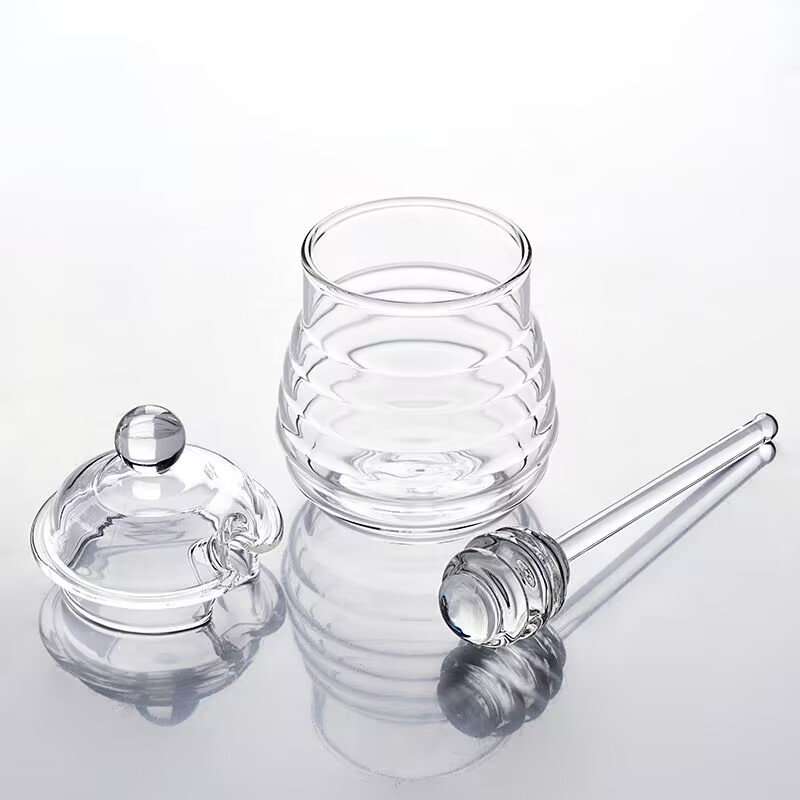
PauPack's product catalog, services and custom glass bottle guide support the full file. PauPack qualifies a custom glass bottle manufacturer by whether all six drawers remain connected after the first shipment.
Frequently Asked Questions
Who should own the custom mold?
Ownership is a commercial decision; document payment, location, access, maintenance, life and replacement rights before release.
Does the same factory perform every decoration?
Not always. Map internal and approved external processes, handoffs, inspections and change-notification responsibilities.
What proves repeatability?
Use identified tools, controlled inputs, process records, inspection evidence, retained masters and documented change review across lots.
What should trigger reapproval?
Review relevant changes to tool, glass source, process site, dimensions, closure, decoration, packing or product requirements.