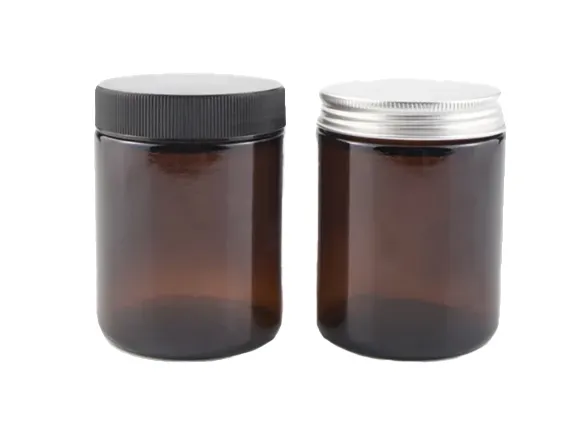



Child resistant bottle caps can support a packaging strategy, but access difficulty is not the same as documented compliance. PauPack separates the physical closure system, intended product, applicable market requirement, testing evidence and consumer instructions.
Correction 1: A Cap Alone Is Not the Tested Package
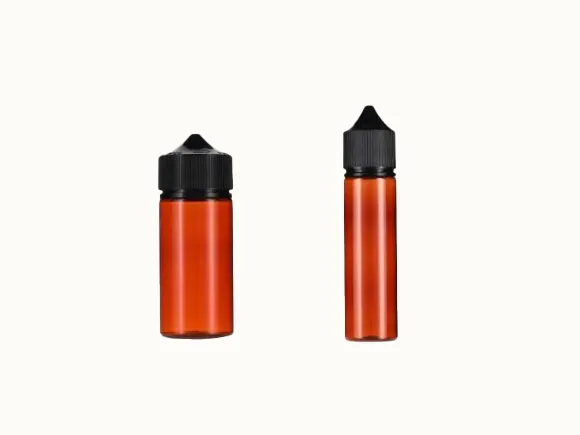
Bottle neck, cap geometry, liner, application torque, opening instructions and manufacturing variation can affect performance. Keep the tested or approved component combination identified by codes and drawings.
PauPack's pharmacy and apothecary range provides format references, while the medicine bottle evidence matrix connects container choices to product-owner responsibilities.
Correction 2: “Push and Turn” Is a Mechanism, Not a Claim
Mechanism descriptions help users and engineers understand operation, but compliance claims require the applicable legal and testing basis. In the United States, buyers can review the CPSC's official Poison Prevention Packaging Act guidance with their regulatory advisers.
| Evidence layer | Question to answer |
|---|---|
| Market scope | Which product, jurisdiction and requirement apply? |
| Package identity | Which bottle, cap, liner and application were evaluated? |
| Test record | What method, laboratory and report support the claim? |
| Production control | How are components, torque and changes controlled? |
| User communication | Are opening and reclosing instructions clear? |
Correction 3: Adult Usability Still Belongs in the Brief
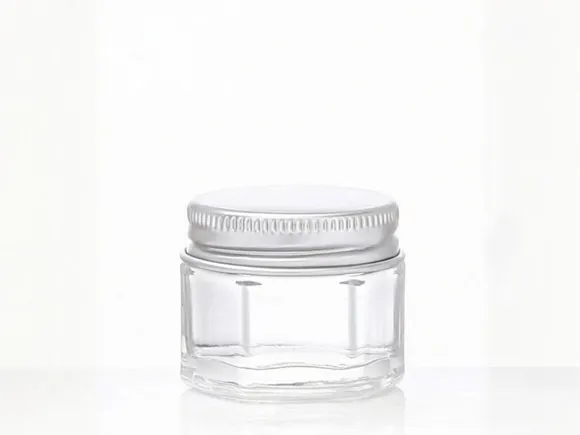
Define the intended user, dosing or access method, opening instructions and reclosing feedback. The product owner and regulatory team decide what testing and labeling apply; the packaging supplier provides controlled samples and production evidence.
Correction 4: Supplier Evidence Must Survive Reorders
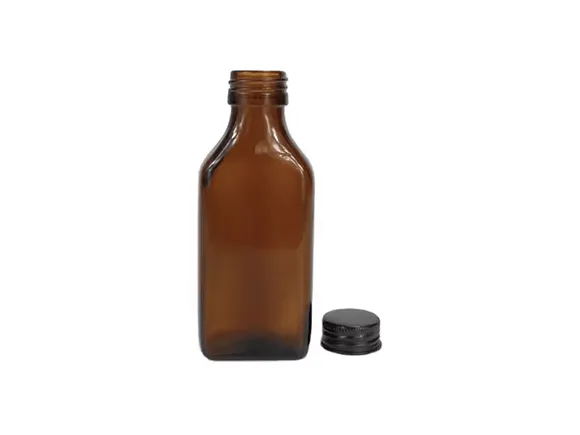
PauPack's quality management, services and design support can connect component identity, instructions and pack presentation.
Compare the closure system with PauPack's broader product portfolio before release. Bottle geometry, dosing method, retail carton and user communication may change the complete-package decision even when the cap mechanism appears unchanged.
When sourcing child resistant bottle caps, request the exact package identity, supporting report scope, production controls and change-notification process instead of relying on a generic cap description.
PauPack helps buyers treat child resistant bottle caps as one controlled element in a wider regulatory and quality decision, not as an automatic assurance label.
Frequently Asked Questions
Is every push-and-turn cap child resistant?
No. A mechanism name alone does not establish that a specific package meets an applicable requirement.
Does changing the bottle affect the closure evidence?
It can. The complete bottle, closure, liner and application combination should remain identified and controlled.
Who determines which regulation applies?
The product owner and qualified regulatory advisers should determine the requirements for the product and target market.
What should trigger reapproval?
Reassess changes to the bottle, cap, liner, material, source, application process, instructions or other relevant conditions.