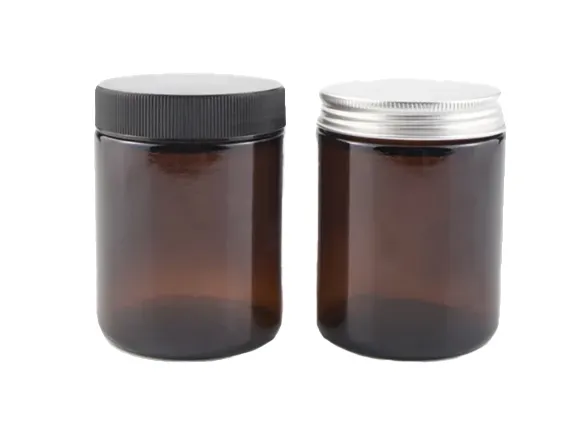


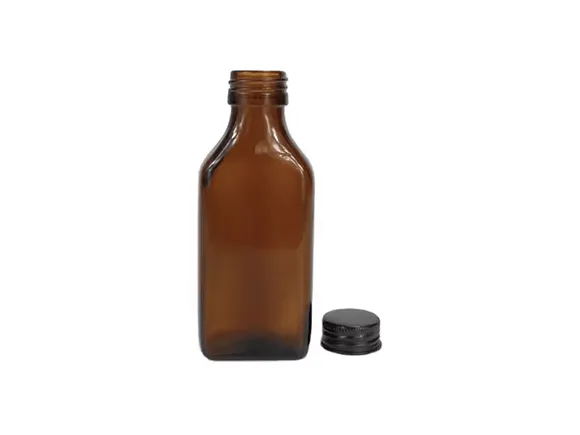
PauPack helps buyers source amber medicine bottles wholesale through a risk-to-evidence matrix. Amber appearance alone does not establish suitability; the product owner must define protection, compatibility, closure, dosing, labeling, filling and market requirements for the finished product.
Use five evidence lanes to make supplier quotations and approvals comparable.
Evidence Lane A: Product and Protection Brief
Document dosage form, fill volume, storage plan, distribution markets and the product owner's light-protection requirement. Specify the amber target using identified samples and measurable criteria rather than color names alone.
PauPack's medicine syrup bottle range provides bottle and closure references. The pharmaceutical packaging collection supports broader format comparisons.
Evidence Lane B: Container-Closure System
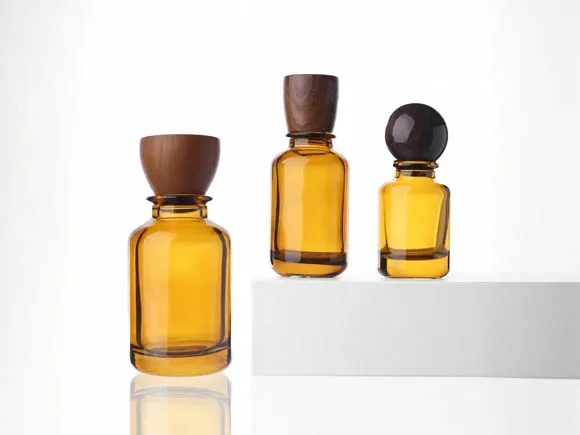
Define the bottle finish, cap, liner, tamper feature and dosing device as one system. The product owner should approve compatibility and protection using the intended formulation and application method.
The FDA's container-closure systems guidance is an authoritative starting point for drug-packaging responsibilities; buyers must determine which requirements apply to their product and market.
| Risk | Evidence owner |
|---|---|
| Light protection | Product owner and qualified laboratory |
| Formula compatibility | Product owner |
| Closure application | Filler and packaging team |
| Dosing performance | Product owner and device supplier |
| Market compliance | Brand's regulatory team |
Evidence Lane C: Filling and Dosing
Trial filling, cap application, coding, labeling and dosing-device assembly on intended equipment. Record torque or application controls defined by the buyer, leakage observations, readable markings and packed-unit condition.
The medicine syrup bottle guide maps these operational handoffs.
Evidence Lane D: Quality and Change Control
Approve drawings, component codes, defect limits, color range, inspection methods and retained samples. Define notification and requalification expectations for material, tooling, process or supplier changes.
PauPack's quality management supports this control discussion.
Evidence Lane E: RFQ and Supply Continuity
For amber medicine bottles wholesale, state capacity, product context, closure and dosing system, quantity, filling location, labeling, packing, destination and required documents. Ask for component-level minimums and substitution rules.
Controlled amber medicine bottles wholesale sourcing separates visual amber selection from product-specific evidence. PauPack helps packaging teams assemble the brief, samples and records needed for qualified decisions through its services.
Frequently Asked Questions
Does amber glass automatically prove light protection?
No. The product owner should define and verify the protection requirement for the specific product, pack and market.
Should caps and dosing devices be tested with the bottle?
Yes. Approve the bottle, closure, liner, tamper feature and dosing device as an installed system.
Who determines pharmaceutical packaging compliance?
The brand's qualified regulatory and quality teams must determine applicable requirements and approve the evidence.
What should a repeat-order file contain?
Keep drawings, component codes, test records, approved samples, inspection criteria, artwork and packing references.