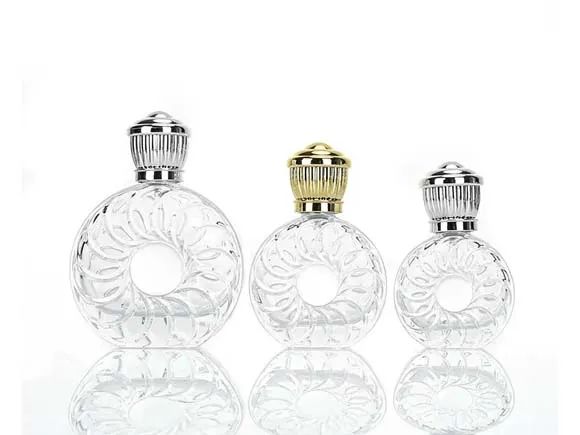


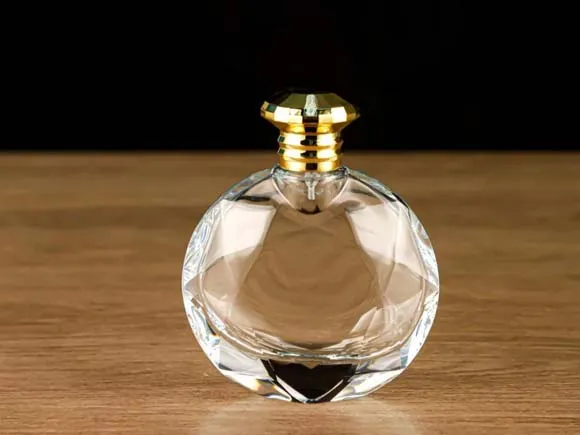
The minimum order for fragrance packaging is rarely one number. A project can have a bottle minimum, color minimum, decoration minimum, cap minimum, carton minimum and tooling commitment. If those layers are combined too early, a buyer may compare quotations that describe different products.
A useful perfume bottle MOQ discussion starts by choosing a sourcing route. The route determines which parts are standard, which parts are customized and where the largest order commitments are likely to appear.
Route A: Stock Bottle with Standard Components
This route uses an existing bottle mold with an available sprayer, collar and cap. Differentiation comes from the label, carton or a limited selection of standard finishes.
It suits:
- Early-stage fragrance brands validating demand
- Discovery or travel collections
- Seasonal tests with focused artwork
- Projects with a short development window
The main advantage is reduced structural development. The limitation is that several brands may use the same bottle silhouette. Strong typography, color discipline and carton design become more important.
Route B: Stock Glass with Custom Decoration and Closure
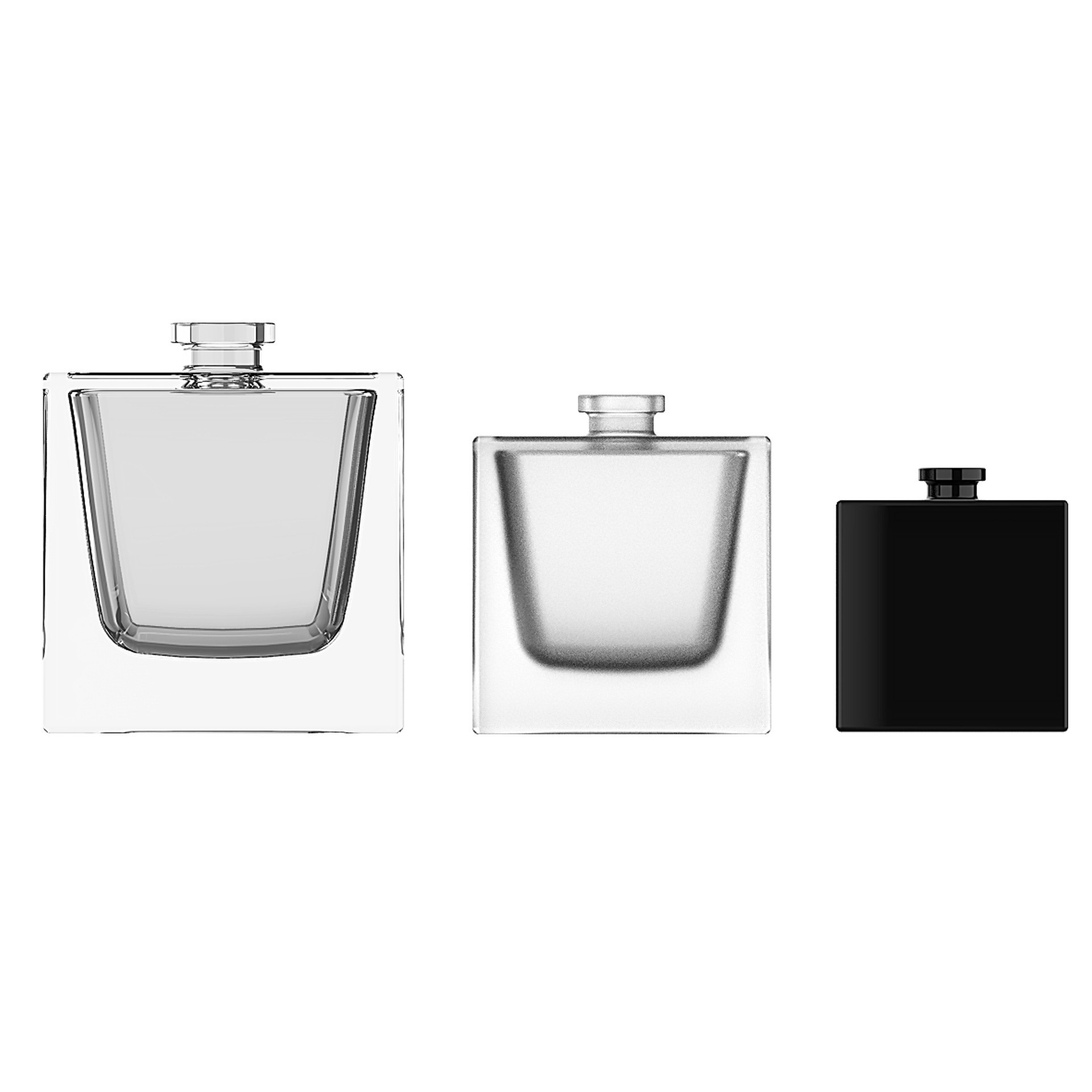
Here, the bottle shape remains standard while color, coating, printing, hot stamping, collar treatment, cap or carton creates a more proprietary appearance.
This is often the most flexible route for a growing fragrance line because investment is concentrated on visible brand signals instead of a new glass mold.
However, every added finish can introduce its own minimum and sample path. Ask for separate commercial lines for:
- Plain glass bottle
- Bottle coating or frosting
- Printing or hot stamping
- Sprayer and collar finish
- Cap material and finish
- Inner tray and carton
PauPack's glass perfume bottle range provides a starting point for comparing existing sizes and forms before custom decoration is added.
Route C: Custom Mold and Branded Component System
A custom mold is appropriate when bottle structure must carry long-term brand recognition. It adds design development, tooling, dimensional approval, prototype review and production validation.
The buyer should define ownership and commercial expectations before work begins:
- Which party owns the design files and tooling?
- What is included in the quoted tooling scope?
- Which changes are included before approval?
- How is the mold maintained and stored?
- What production quantity is required after tooling approval?
Custom structure does not eliminate component minimums. The sprayer, cap, decoration and carton still need aligned quantities.
Read the MOQ as a Stack, Not a Single Number
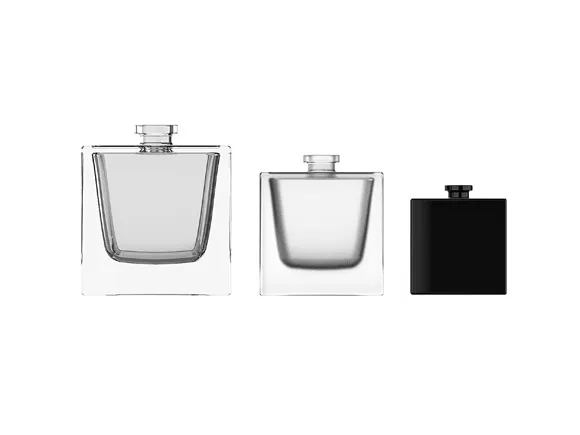
Use a quotation table that separates the layers.
| Package layer | Question to ask | Risk if hidden |
|---|---|---|
| Glass bottle | Is the quantity based on one capacity and one glass color? | Mixed assumptions between sizes or colors |
| Sprayer and collar | Are finish and crimp dimensions fixed? | Late mismatch or finish surcharge |
| Cap | Is it stock, decorated or custom molded? | Cap minimum exceeds bottle minimum |
| Decoration | Is the minimum per artwork, color or production run? | Too many small variants |
| Carton | Is the minimum per fragrance SKU? | Printed packaging becomes the highest commitment |
| Packing | Are dividers, trays and export cartons included? | Incomplete landed-cost comparison |
This stack explains why a supplier may offer a workable bottle quantity while a special cap or decorated carton requires a larger commitment.
Scenario 1: One Hero Fragrance
A single hero fragrance can concentrate quantity into one bottle, one cap and one artwork. This often supports a stronger finish because the order is not divided across many variants.
The brand should still request a staged quotation:
- Plain sample set
- Decorated sample set
- First bulk order
- Reorder quantity
- Optional second color or cap finish
This reveals whether the design remains commercially practical after the first launch.
Scenario 2: A Three-SKU Permanent Collection
Three fragrances may share bottle and cap components but use different decoration or cartons. The buyer should identify which minimum applies to the shared component and which applies separately to each SKU.
Use a common-component strategy:
- One bottle capacity and silhouette
- One sprayer specification
- One cap structure
- Controlled color or artwork changes
- Shared export packing where practical
This protects collection consistency and reduces unnecessary component fragmentation.
Scenario 3: Discovery Set Plus Full Size
Discovery and full-size packaging create two component systems. Small formats may have different filling, labeling, cap and insert requirements.
Do not assume that the perfume bottle MOQ for the full-size bottle applies to the discovery bottle. Quote both programs independently, then connect them through artwork, color and carton planning.
Reduce MOQ Pressure Through Design Discipline
The most effective MOQ reduction is usually not aggressive negotiation. It is reducing the number of unique production variables.
Consider:
- Use one glass mold across several fragrances.
- Keep one sprayer and collar specification.
- Use decoration to create variation instead of multiple bottle shapes.
- Standardize cap structure and change only a controlled finish.
- Delay secondary SKUs until the hero product is validated.
- Separate permanent packaging from seasonal sleeves or labels.
PauPack's design service, bottle manufacturing capabilities and quality management can be included in a structured development discussion.
Compare First-Order Cost and Reorder Cost
The first order may include tooling, sample, artwork setup or color development. Reorders may have different economics and production timing.
Request both views:
| Cost view | Include |
|---|---|
| First order | Samples, tooling, setup, components, decoration, cartons, inspection and freight assumptions |
| Reorder | Minimum quantity, component availability, decoration setup, carton quantity and expected lead-time assumptions |
Also ask how unused custom components are handled if one SKU sells more slowly than the others.
Prepare a Quote-Ready Fragrance Brief
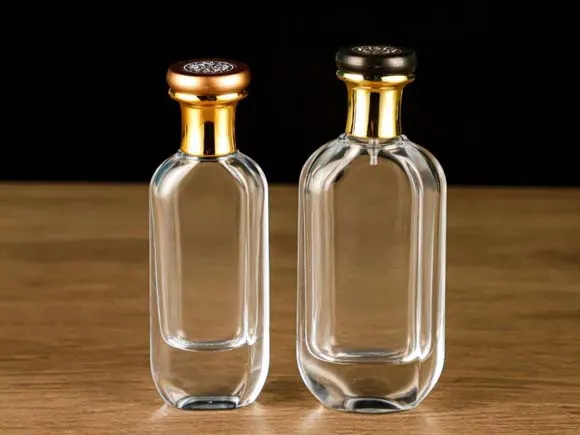
Provide capacity, bottle dimensions, glass color, quantity by SKU, sprayer, collar, cap, decoration, artwork, carton, insert, destination and target timing. Include photographs or references, but identify which elements are inspiration rather than mandatory specifications.
Review the previous PauPack guide to luxury perfume bottles wholesale for a deeper discussion of glass, caps, sprayers and collection hierarchy.
Buyers comparing fragrance packaging with adjacent container formats can also review the broader PauPack product range before narrowing the component brief.
Final Recommendation
Treat perfume bottle MOQ as the result of design choices. Select the sourcing route, map each component minimum, reduce unnecessary variants and compare first-order and reorder conditions separately.
A clear MOQ stack gives the brand room to decide where customization creates real value and where standardization protects cash flow, consistency and launch speed.
Frequently Asked Questions
What is included in a perfume bottle MOQ?
It may include separate minimums for the glass bottle, sprayer, collar, cap, decoration, printed carton and any custom tooling.
Can several fragrances share one bottle MOQ?
They may share the bottle and some components if specifications are identical, while decoration and cartons can still have separate minimums for each SKU.
Does a custom perfume bottle always require a higher MOQ?
Custom molds and components usually add development and production commitments, but the exact quantity depends on the design, supplier process and component system.
How can a new fragrance brand reduce packaging complexity?
Use one bottle family, one sprayer specification and one cap structure, then create variation through controlled artwork, color and secondary packaging.