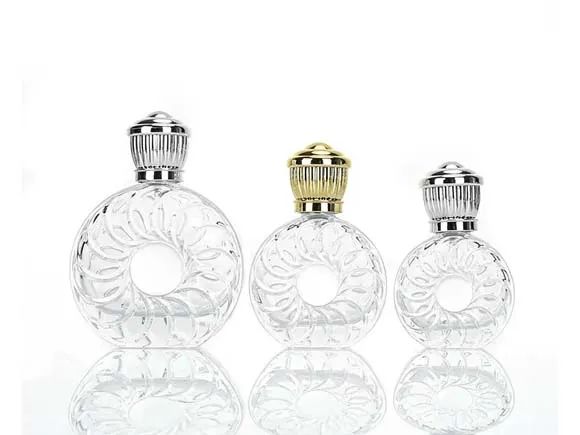


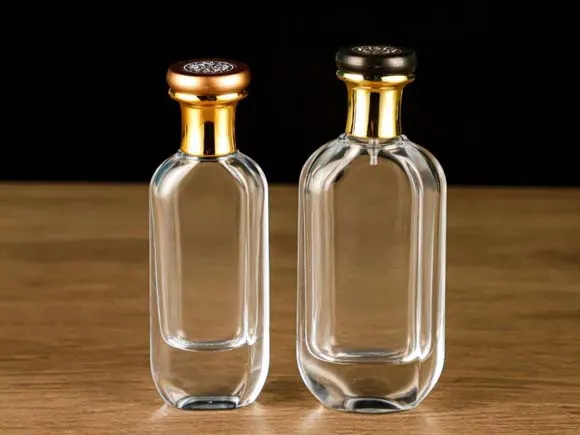
Perfume leakage is not one defect with one cause. The crimp or thread, gasket, pump, glass finish, fill process, orientation and transport pack can all contribute.
Organize a perfume bottle leakage test around five exposure zones so failed samples lead to useful corrective action.
Zone 1: Component Condition Before Assembly
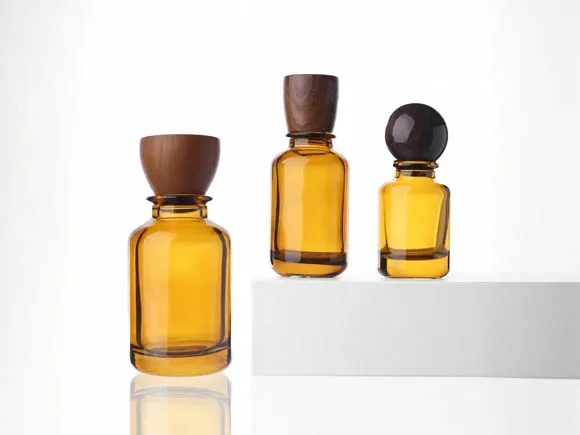
Inspect bottle necks, pump parts, gaskets, collars and caps before filling. Record component lot codes and visible damage rather than starting with an unidentified assembled sample.
PauPack's glass perfume bottle range provides component formats for compatibility review.
Zone 2: Assembly Process
Record filling level, neck cleanliness, pump placement, crimp or torque settings and operator method. A test result is difficult to interpret when assembly conditions are missing.
Zone 3: Static Orientation
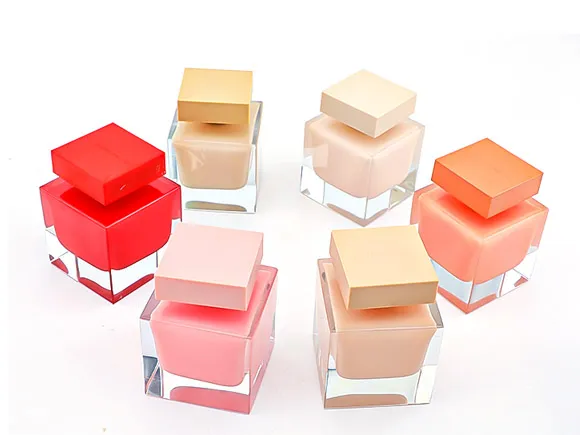
Place defined samples upright, on their side and inverted for controlled periods. Check mass change, visible wetness, collar residue and odor transfer. Use the brand's own acceptance criteria.
| Observation | Investigation path |
|---|---|
| Wet neck immediately | Assembly or sealing interface |
| Slow mass loss | Micro-leak or evaporation route |
| Collar residue after actuation | Pump or user-path residue |
| Carton staining | Closure plus packing interaction |
Zone 4: Temperature and Movement
Use test conditions that represent the intended distribution route and product requirements. Separate temperature exposure from movement where possible, then combine them only after baseline results are understood.
The packaging quality control checklist helps define inspection evidence around the test.
Zone 5: Consumer Use Sequence
Prime, actuate, recap, handle and store the bottle as a consumer would. Residue after spraying should not automatically be classified as transport leakage; record where and when it appears.
Build a Failure Tree
When a sample fails, change one controlled variable at a time: bottle lot, pump lot, gasket, assembly setting, fill level or packing. PauPack's quality management and services support documented investigation planning.
Release the Complete Pack
Repeat the approved method with decorated bottles and final cartons. The related 50ml perfume bottle guide and PauPack's design service support component and pack coordination.
A useful perfume bottle leakage test identifies the exposure, timing and component combination behind the result. Keep the final perfume bottle leakage test method with production specifications and retained samples.
Frequently Asked Questions
Should perfume bottles be tested in several orientations?
Yes. Upright, side and inverted positions can expose different sealing paths.
Is visible collar residue always leakage?
No. Record whether residue appears before or after actuation and trace its source.
Should temperature and movement be tested together?
Establish controlled baseline tests first, then combine conditions when the distribution plan requires it.
What should a failure record include?
Include component lots, assembly settings, fill level, orientation, duration, observations, photos and disposition.