

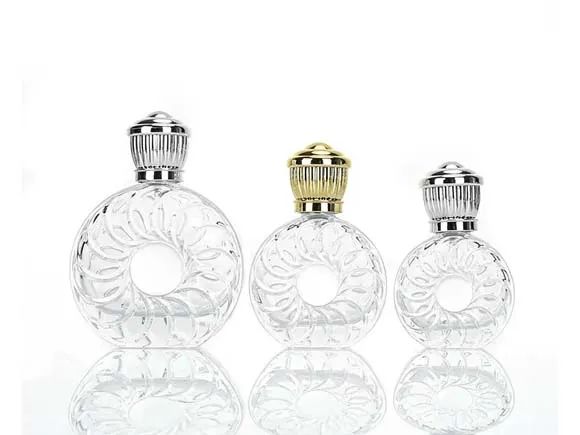
PauPack treats perfume bottle decoration techniques as engineering choices with visual consequences. Bottle geometry, surface preparation, artwork, color tolerance, component contact and packing determine whether a finish remains repeatable from sample to production.
Use this failure map to select decoration routes by risk instead of choosing from isolated beauty shots.
Route Map: What Each Finish Must Do
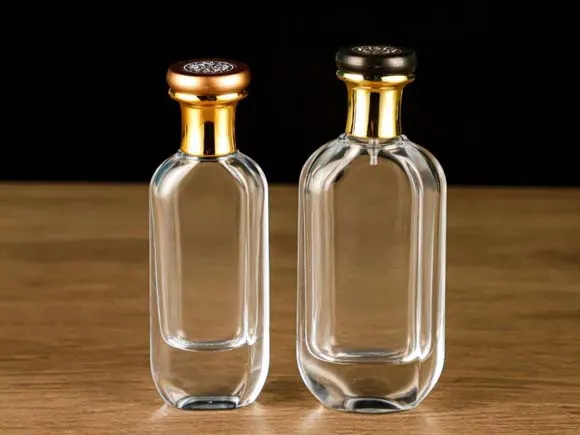
Printing can place logos and fine artwork; coating can transform color and surface appearance; frosting changes translucency; labels add flexible graphics; metallized or decorated components create premium accents. Combining routes increases interface risk and should be sampled as a complete pack.
PauPack's glass perfume bottle collection provides bottle formats for finish trials. The broader custom glass printing guide offers additional process context.
| Failure signal | What to verify |
|---|---|
| Artwork distortion | Printable area and bottle curvature |
| Color mismatch | Approved range and viewing conditions |
| Rub or chip marks | Handling and pack contact points |
| Component scuffing | Cap, collar and carton clearances |
| Reorder drift | Master sample and controlled files |
Failure Zone 1: Geometry
Shoulders, curves, seams and recessed panels affect artwork placement and coverage. Apply final-size graphics to the chosen bottle, not a flat rendering, and define a measurable position reference.
Failure Zone 2: Color and Surface
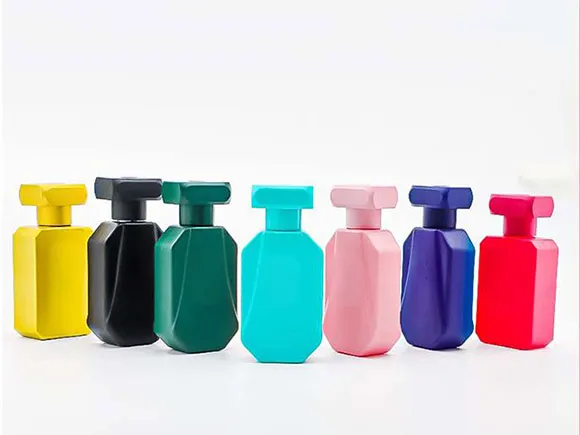
Approve a target range under consistent lighting. Separate glass color from coating color and from printed ink; each can vary differently. Record gloss, opacity and texture expectations in the specification.
Failure Zone 3: Component Contact
Install the pump, collar and cap before release. Decoration may be hidden, scratched or compressed at contact points. The perfume bottle sample testing guide explains how to keep component identity visible.
Failure Zone 4: Filling and Distribution
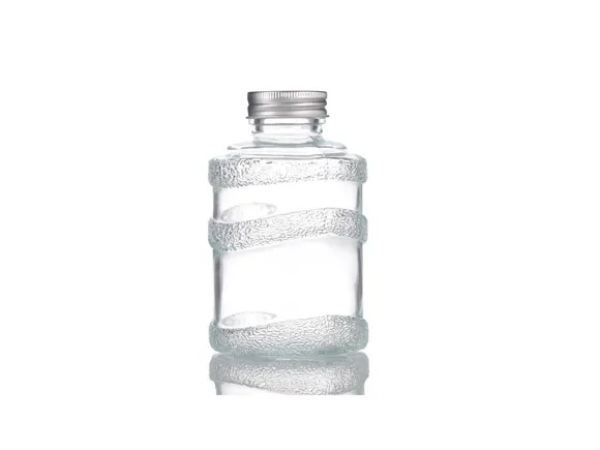
Review decorated bottles after filling, crimping or closure application, coding, cartoning and transport simulation. Use the actual divider and retail box to reveal abrasion risks.
PauPack's quality management, design service and services support controlled finish development.
Create a Decoration Release Board
For perfume bottle decoration techniques, retain the blank bottle, individual finish trials, final assembled bottle and packed reference. Attach artwork versions, color targets, acceptable ranges and inspection lighting.
Well-selected perfume bottle decoration techniques balance shelf impact with manufacturing and packing evidence. PauPack helps fragrance buyers preserve that release board through production and reorders.
Frequently Asked Questions
Can a digital rendering approve bottle color?
No. Use identified physical samples under controlled viewing conditions to approve a target and acceptable range.
Should caps and collars be installed during finish review?
Yes. Installed components reveal hidden artwork, contact marks, clearance and complete-pack appearance.
Why test decoration after filling?
Filling and closure application can introduce handling, residue, pressure and contact conditions absent from empty samples.
What should be retained for a reorder?
Keep artwork files, color references, approved samples, appearance limits, inspection conditions and complete packing references.