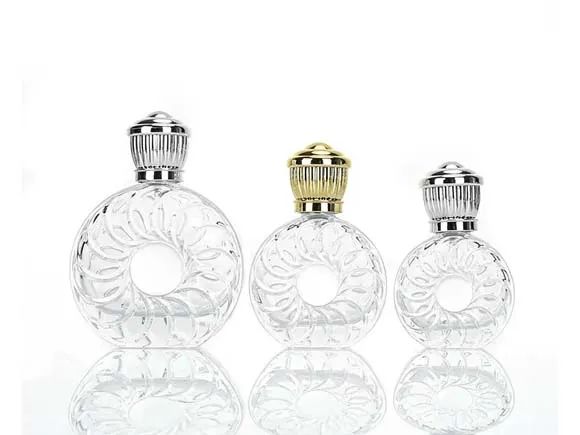


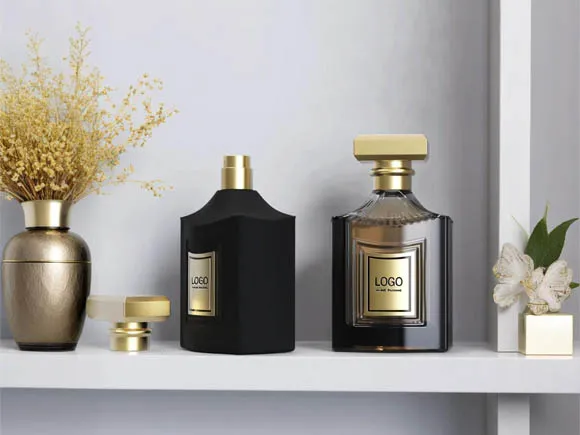
A luxury fragrance bottle is judged twice: first from a distance, then in the hand. The silhouette may win attention, but the weight, spray experience, cap fit, decoration and secondary packaging determine whether the presentation continues to feel premium after the first impression.
For brands sourcing luxury perfume bottles wholesale, the strongest brief does not begin with the word "luxury." It defines the visual codes, functional expectations and production limits that must work together. This guide uses three buyer scenarios to show how those choices change.
Scenario One: A Quiet, Minimal Fragrance Line
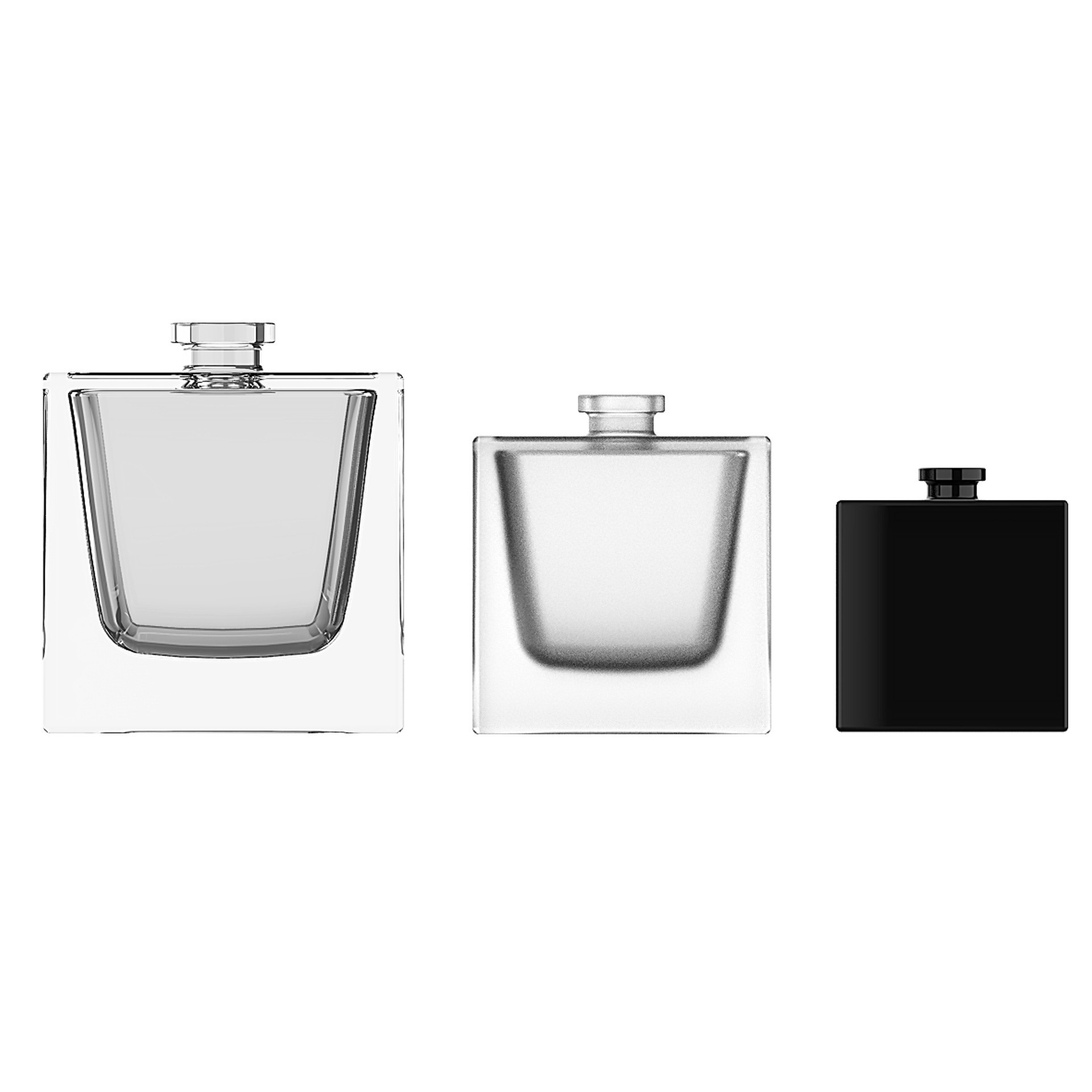
Imagine a fragrance brand built around restrained typography, neutral colors and a small permanent collection. Its bottle does not need an unusual shape to feel premium. It needs disciplined proportions and repeatable details.
The buyer should focus on:
- A stable bottle silhouette that can support several fragrances
- A thick or visually grounded base
- A cap whose size and finish feel intentional
- A spray system that sits cleanly with the neck and collar
- Decoration that remains legible at retail distance
- A carton structure that protects the bottle without competing with it
This route often favors an existing glass mold with carefully controlled decoration. The investment goes into coating, printing, hot stamping, cap treatment and presentation rather than a new bottle shape.
The risk is assuming that simple means easy. Minimal packaging exposes small differences in color, alignment, surface marks and cap fit. A logo positioned a few millimeters too high may be more visible on a quiet bottle than on a highly decorated one.
Scenario Two: A Statement Bottle for a Hero Fragrance
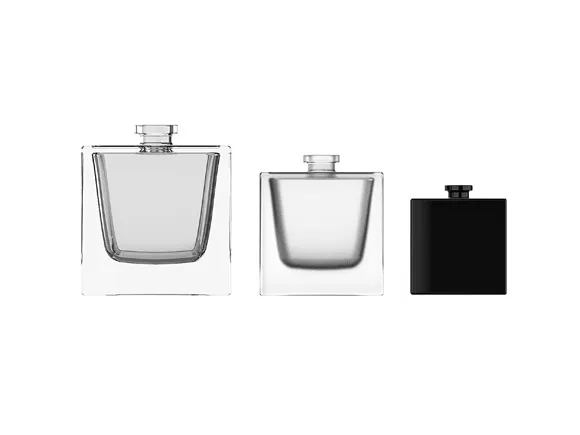
A hero fragrance may need a stronger shelf signal: a geometric profile, bold color, relief detail, unusual cap or heavier glass distribution. Here, the bottle becomes part of the product story.
Before starting custom development, decide which element carries the identity:
- The silhouette
- The glass color or coating
- The base and glass distribution
- The cap
- The front decoration
- The carton opening experience
Trying to make every element dominant can produce visual noise and a difficult production brief. Select one or two primary signals, then let the remaining components support them.
A custom mold can create stronger structural ownership, but it also adds tooling, prototype approval, dimensional review and a longer validation path. Brands should compare that route with a stock mold transformed through color, decoration and closure design.
Scenario Three: A Discovery and Travel Collection
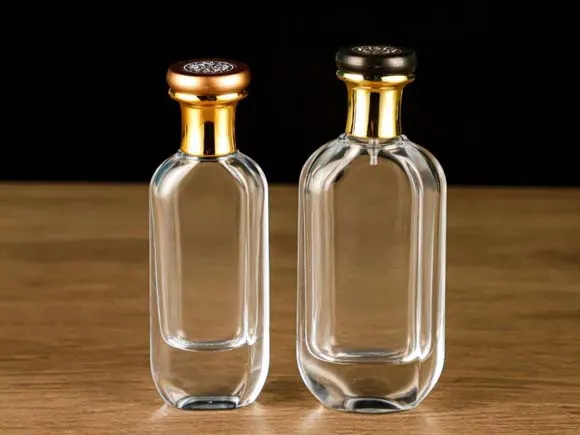
Small bottles have a different job. A discovery size must feel connected to the full-size range while remaining easy to fill, label, pack and ship. The decorative area is smaller, tolerances become more visible, and the cap can dominate the proportions.
For 2ml, 10ml, 30ml or other compact formats, review:
- Whether the artwork stays readable at the reduced scale
- Whether the sprayer and cap make the bottle feel top-heavy
- Whether labels or direct printing work better for the launch quantity
- How units are held inside discovery sets
- Whether the small bottle accurately previews the full-size brand experience
PauPack's glass perfume bottle range includes multiple sizes, colors and forms that can be evaluated for permanent, travel and discovery collections.
Build a Luxury Hierarchy Instead of Adding Decoration
Premium packaging is more convincing when each detail has a role. Use a hierarchy:
| Design layer | Question for the buyer | Common decision |
|---|---|---|
| Silhouette | What should be recognized before the label is read? | Square, round, tall, compact, sculptural or classic |
| Glass | What should the bottle communicate through weight and light? | Clear, colored, translucent, coated or frosted |
| Closure | What should the hand feel when opening the fragrance? | Weighted, magnetic-style, wood-look, metal-look or molded cap |
| Decoration | What information and brand signal must remain visible? | Printing, hot stamping, labels, coating or relief |
| Carton | How should protection and reveal work together? | Folding carton, insert, rigid presentation or discovery set |
Decoration cannot correct weak proportions or a mismatched cap. Approve the undecorated component set first. Then test finishes on the real bottle and cap materials.
Review the Spray Experience as Part of the Brand
The atomizer is not a hidden technical part. It affects the sound, resistance, mist pattern and customer perception of the fragrance.
During sampling, check the complete spray system with the intended formula and filling process. Review priming, dose consistency, mist quality, collar appearance, leakage, cap clearance and repeated use. Confirm the crimp or closure method and the production equipment needed by the filler.
The bottle supplier, pump supplier, filler and brand team may each control a different part of the final result. Make responsibilities explicit before the production order.
Use Color and Surface Finish with Production Reality in Mind
Digital renders are useful for direction, but physical samples reveal how a finish behaves on curved glass, thick edges and recessed areas.
Ask for clear approval standards for:
- Color reference and acceptable variation
- Gloss, matte or translucent level
- Spray-coating coverage at shoulders and base
- Print registration and logo position
- Metallic finish appearance under different light
- Scratch and adhesion expectations
- Cap-to-bottle color relationship
Use PauPack's quality management approach as a reference when discussing decorated-sample approval, production checks and packing requirements.
For a deeper view of the development process, review PauPack's custom glass bottle design service and bottle manufacturing capabilities.
Compare Quotations Through the Same Design Brief
Wholesale quotations can look similar while describing different packages. One may include a standard cap, another a customized cap finish. One may quote plain bottles, another decorated units. Packing, inspection and sample costs may also differ.
Your comparison sheet should separate:
- Bottle model, capacity and unit weight
- Sprayer, collar and cap specification
- Plain component MOQ
- Decoration MOQ and setup cost
- Custom tooling or mold cost
- Sample stages and sample charges
- Carton and protective packing method
- Inspection scope
- Production lead-time assumptions
- Freight basis and destination
Do not choose from price alone. The commercially stronger option is the one that meets the approved appearance and functional standard with a clear production route.
Know When Custom Development Is Worth It
Custom structural development is most useful when the brand has a defined volume plan, a stable design direction and a clear reason that existing forms cannot express the product. It may not be the right first step for a launch still testing its fragrance architecture or sales channels.
A stock bottle with custom decoration can be the more disciplined choice when speed, budget control or assortment flexibility matters. A custom mold becomes more reasonable when distinct shape recognition is central to long-term brand value.
PauPack's guide to choosing a custom perfume bottle manufacturer can help teams prepare supplier questions before committing to development.
Prepare a Fragrance Packaging Brief That Can Be Quoted
Include the target capacity, bottle direction, reference images, glass color, sprayer and cap requirements, decoration, quantity by SKU, target market, filling method, carton concept, testing expectations and delivery destination.
Also state what is fixed and what remains open. If the silhouette is fixed but the cap is flexible, say so. If the target retail price creates a packaging cost limit, share the planning range with the supplier rather than requesting an undefined premium option.
When comparing luxury perfume bottles wholesale, clarity creates better luxury than a collection of expensive details. A coherent component system, controlled finish and reliable spray experience give the brand a stronger foundation than decoration without hierarchy.
To compare available glass forms and development routes, contact PauPack with the fragrance capacity, quantity, sprayer, cap, decoration and target market.
Before final approval, compare luxury perfume bottles wholesale as a complete system: bottle, pump, collar, cap, decoration, inner packing and export carton.
Frequently Asked Questions
What makes a perfume bottle look luxurious?
Luxury usually comes from coherent proportions, glass distribution, closure fit, controlled decoration and a consistent opening experience. More decoration does not automatically create a more premium result.
Are custom perfume bottle molds necessary for premium brands?
No. Stock bottles can be differentiated with coatings, printing, hot stamping, labels, caps and cartons. Custom molds are most useful when structural recognition is central to the brand and the volume plan supports development.
What should be tested on a perfume bottle sample?
Review bottle dimensions, glass appearance, sprayer performance, leakage, cap fit, collar alignment, decoration adhesion, color consistency, packing protection and compatibility with the intended formula and filling process.
What information should be included in a wholesale perfume bottle RFQ?
Provide capacity, quantity, bottle style, glass color, sprayer, cap, decoration, carton requirements, target market, filling method, sample expectations, destination and desired delivery timing.