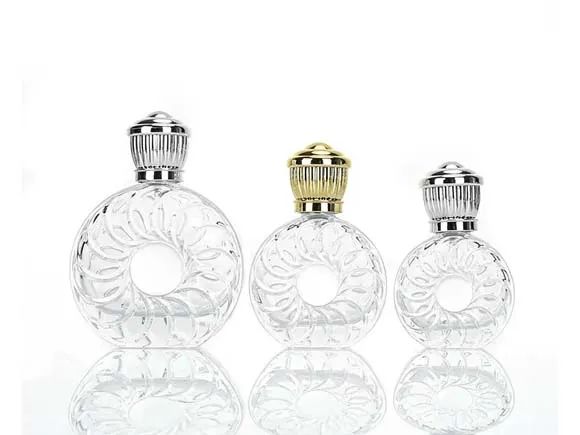


Using essential oils incorrectly can cause irritation—or miss the magic entirely.
The proper way to use aromatherapy essential oils is through diluted topical application, inhalation via diffuser, or therapeutic baths, always respecting safety guidelines and oil compatibility.
For beauty brands, spa owners, and wellness retailers, proper use isn’t just about aroma—it’s about results. How your customers use your oils can impact their experience, satisfaction, and your reputation. Let’s break down the safest, most effective ways to use essential oils and avoid common mistakes.
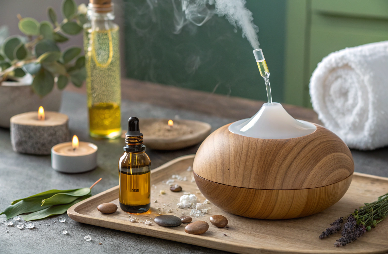

What is the best way to use aromatherapy oils?
One drop too many—or the wrong method—and your product can go from relaxing to risky.
The best way to use aromatherapy oils depends on the goal: inhalation for emotional balance, topical application for physical relief, and bath infusion for overall relaxation—always diluted.
Dive Deeper: 3 Proven Aromatherapy Methods
Let’s look at how essential oils can be used effectively in different settings:
1. Inhalation (Diffusers, Steam, Personal Inhalers)
-
Best for: Stress, anxiety, sleep, mood
-
How: Add 5–8 drops to a water-based diffuser, or 1–2 drops to a tissue
-
PauPack tip: Use oils with high volatility like bergamot, eucalyptus, or peppermint
2. Topical Application (Massage, Roll-on Bottles)
-
Best for: Pain relief, skincare, inflammation
-
How: Dilute in a carrier oil (e.g., jojoba, coconut). Use 2% dilution: 12 drops EO per 1 oz carrier
-
Use a roll-on? PauPack offers custom glass roller bottles with metal or gemstone tips for cooling effects and premium branding
3. Baths
-
Best for: Muscle tension, relaxation
-
How: Mix oils with Epsom salts or a carrier oil before adding to water. Never pour directly.
-
Ideal oils: Lavender, chamomile, ylang-ylang
Proper use ensures the oils work as intended, safely. That’s why we at PauPack support beauty and wellness brands with packaging that suits each method—from droppers to diffusers, bottles to bath kits.
What is the 30 50 20 rule for essential oils?
Aromatherapy is chemistry dressed in fragrance.
The 30-50-20 rule is a blending guideline: 30% top notes, 50% middle notes, and 20% base notes to create a balanced, long-lasting scent.
Dive Deeper: Structuring a Therapeutic Blend
This structure ensures a stable, evolving scent journey:
| Note Type | Role | Examples | Ratio |
|---|---|---|---|
| Top Note | First impression, uplifting | Lemon, peppermint, bergamot | 30% |
| Middle Note | Emotional body, balance | Lavender, rosemary, geranium | 50% |
| Base Note | Depth, grounding | Frankincense, patchouli, cedarwood | 20% |
When brands ignore this balance, they risk scents that fade too fast or smell “off.” If you’re selling custom blends, PauPack offers sample-size dropper bottles for prototyping and full-size premium glass packaging for your final product.
Which essential oils should not be mixed together?
Some combinations aren’t just ineffective—they’re irritating or even toxic.
You should avoid mixing essential oils with overlapping sensitizers, conflicting effects, or photosensitive compounds like citrus oils in daytime skin products.
Dive Deeper: Essential Oil Pairing Do’s and Don’ts
Avoid These Combos:
| Pair | Why It’s a Problem |
|---|---|
| Cinnamon + Clove | Both are strong dermal irritants |
| Lemon + Sunlight | Citrus oils are photosensitive—can burn skin |
| Peppermint + Rosemary | Overstimulating, not good for people with hypertension |
| Tea Tree + Eucalyptus | May cause respiratory sensitivity in children |
Better Pairing Strategy:
-
Combine floral + herbaceous (e.g., lavender + rosemary)
-
Use citrus as top and wood as base for scent balance
Always inform customers about contraindications on your labels. At PauPack, we help clients include precaution labels, ingredient lists, and usage icons as part of our private label packaging solutions.
How are essential oils used in aromatherapy?
Aromatherapy is more than mood enhancement—it’s a functional wellness tool.
In aromatherapy, essential oils are used to support physical and emotional wellness through scent and skin absorption, customized for specific conditions or goals.
Dive Deeper: Aromatherapy Use Cases & Modalities
Common Use Cases:
| Goal | Oils Used | Method |
|---|---|---|
| Sleep | Lavender, chamomile, vetiver | Diffuser, pillow spray |
| Focus | Rosemary, peppermint, lemon | Inhaler, desktop diffuser |
| Muscle Relief | Eucalyptus, marjoram, black pepper | Massage, bath |
| Anxiety Relief | Frankincense, bergamot, clary sage | Roller, diffuser |
Packaging by Purpose:
-
Diffuser blends: 10ml dropper bottles
-
Roll-ons: 10ml glass roller bottles with stainless or gemstone tips
-
Bath oils: 30ml amber glass with child-resistant cap
-
Gift kits: Assorted mini bottles in branded boxes
At PauPack, we align packaging with application—helping brands tell a story of wellness, safety, and professionalism through their bottles. From label printing to bottle shapes, we provide tailored aromatherapy packaging solutions that are both functional and beautiful.
Conclusion
Using essential oils properly means matching the right method to the right purpose—dilution, scent harmony, and smart pairings are key to safe and effective aromatherapy.