

You don’t need a lab or a factory to make aromatherapy oils—just the right ingredients, safe tools, and a clear purpose.
To make aromatherapy oils, blend essential oils with a carrier oil in proper dilution, guided by scent layering like the 30/50/20 rule. Choose oils based on the desired effect: relaxation, focus, energy, or sleep.
At PauPack, we help beauty, wellness, and spa brands turn these simple recipes into scalable product lines—packaged in glass rollers, dropper bottles, or mist sprays. Whether you're blending for personal use or building a private-label brand, this guide will walk you through everything you need.

How to Make Your Own Aromatherapy Oil?
Making your own blend is easier than you think—and way more satisfying.
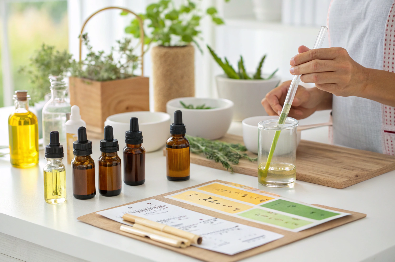
To make your own aromatherapy oil, mix 5–10 drops of essential oils into 10ml of carrier oil (like jojoba or sweet almond) using a clean roller bottle or dropper bottle.
Step-by-Step DIY:
-
Choose your purpose
-
Sleep: Lavender + Chamomile
-
Focus: Rosemary + Lemon
-
Energy: Peppermint + Orange
-
-
Pick a base (carrier) oil
-
Jojoba, grapeseed, or fractionated coconut oil are popular.
-
-
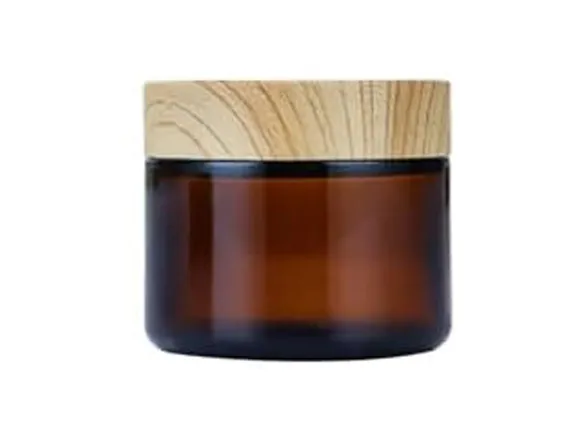
Use a clean, dry glass container
-
We recommend PauPack’s 10ml amber glass rollers or dropper bottles for UV protection.
-
-
Add essential oils (typically 1–3% dilution)
-
5–10 drops per 10ml carrier
-
-
Label and store
-
Use a dark place and tight-sealed cap to preserve the blend.
-
This method is ideal for making on-the-go rollers, massage oils, or aromatic body oils. With PauPack’s leak-proof packaging and bulk glass bottle options, you can easily scale this DIY method into a small business.
What Is the 30 50 20 Rule for Essential Oils?
Blending for scent balance is like composing a song—each note plays a role.
The 30/50/20 rule in aromatherapy is a formula for layering: 30% top notes, 50% middle notes, and 20% base notes. This creates a well-balanced, long-lasting scent.
Understanding Each Note:
-
Top Notes (30%) – First impression (e.g., Lemon, Peppermint)
-
Middle Notes (50%) – The body (e.g., Lavender, Geranium)
-
Base Notes (20%) – The anchor (e.g., Patchouli, Vetiver)
Sample Blend (10 Drops):
-
3 drops Orange (Top)
-
5 drops Rosemary (Middle)
-
2 drops Sandalwood (Base)
When we work with clients on aromatherapy oil lines, we start with this structure and adjust for scent intensity, therapeutic goal, and brand story. We also supply multi-size bottle sets so brands can test blends at small scale before full production.
How Are Aromatherapy Oils Made?
From plant to bottle, the journey is both science and art.
Aromatherapy oils are made by blending concentrated essential oils with carrier oils to create a safe, skin-friendly formulation for therapeutic or sensory use.
Key Components:
-
Essential Oils – Extracted from flowers, herbs, peels, bark
-
Carrier Oils – Dilute the potency and allow safe application
-
Glass Bottles – Preserve potency and protect from UV light
Manufacturing Process:
-
Blends are measured in drop-count or percentage weight.
-
Mixed in sterile, temperature-controlled environments.
-
Packaged in amber or cobalt glass to prevent oxidation.
At PauPack, we provide B2B customers with both the packaging and blend development guidance, including custom-fitted caps, roll-ons, and droppers that ensure no product loss or contamination. Whether you’re bottling 10ml for wellness kits or 100ml for spas, our OEM/ODM solutions support every format.
How Do I Extract Essential Oils?
If you’re starting from the plant source, extraction takes precision and patience.
Essential oils are typically extracted using steam distillation, cold pressing (for citrus), or solvent extraction (for delicate flowers).
3 Main Methods:
1. Steam Distillation (Most Common)
-
Plant material is steamed
-
Vapor condenses into oil + water
-
Oil is separated and bottled
2. Cold Pressing (Citrus peels like orange or lemon)
-
Mechanical pressure squeezes oil out
-
No heat, so good for heat-sensitive oils
3. Solvent Extraction (For delicate flowers like jasmine)
-
Uses alcohol or hexane to draw out oil
-
Yields absolutes, not true essential oils
While DIY distillation is possible, it’s often time-consuming and inconsistent. That’s why most brands source pre-distilled essential oils from certified suppliers—and focus instead on perfecting their blends and packaging.
PauPack partners with vetted oil producers and offers ready-to-fill glass containers—so clients can focus on creativity, not chemistry.
Conclusion
Making aromatherapy oils is about thoughtful blending, smart dilution, and intentional packaging. At PauPack, we help turn your drops of inspiration into professional-grade wellness products—ready for market, shelf, or self-care.