

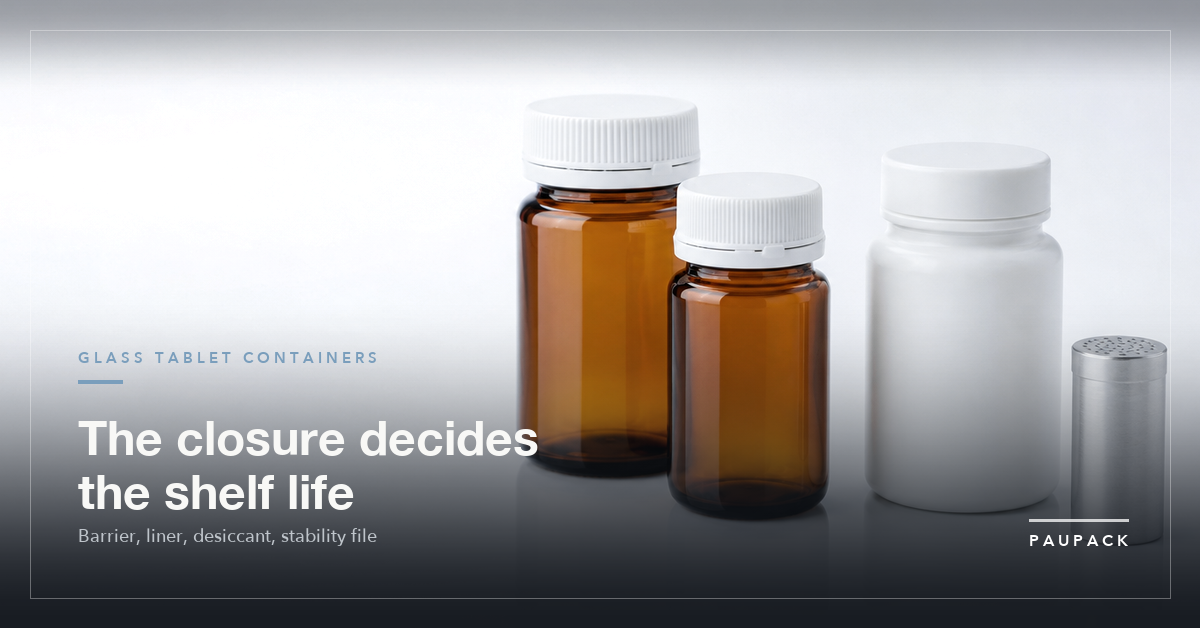
Glass tablet containers are chosen by the tablet, not by the catalogue. A tablet is compressed powder held together by pressure alone, which leaves it friable, hygroscopic and sensitive to light. The container is the system that stops those three weaknesses from becoming a complaint.
PauPack produces glass and plastic tablet containers for supplement, nutraceutical and pharmacy brands, from stock 30 ml packers to custom moulds with induction-seal finishes. This guide follows the order we use on a live brief: the tablet first, the material second, the evidence third and the price last.
The Tablet Sets the Brief, Not the Catalogue
Four facts about the tablet decide most of the specification before anyone draws a bottle: how hygroscopic it is, how hard it is compressed, whether it carries a film coat, and how long it has to hold specification. A soft chewable tablet and a coated caplet can look identical on a shelf and need different containers underneath.
Buyers who reverse that order rarely notice until stability testing, when the container is the only variable left to blame. That is why PauPack asks for the tablet data before the drawing, and why the notes on glass bottle sizes for capsules and pills start with the dose rather than with the mould.
Moisture Is the Failure Mode That Costs the Most
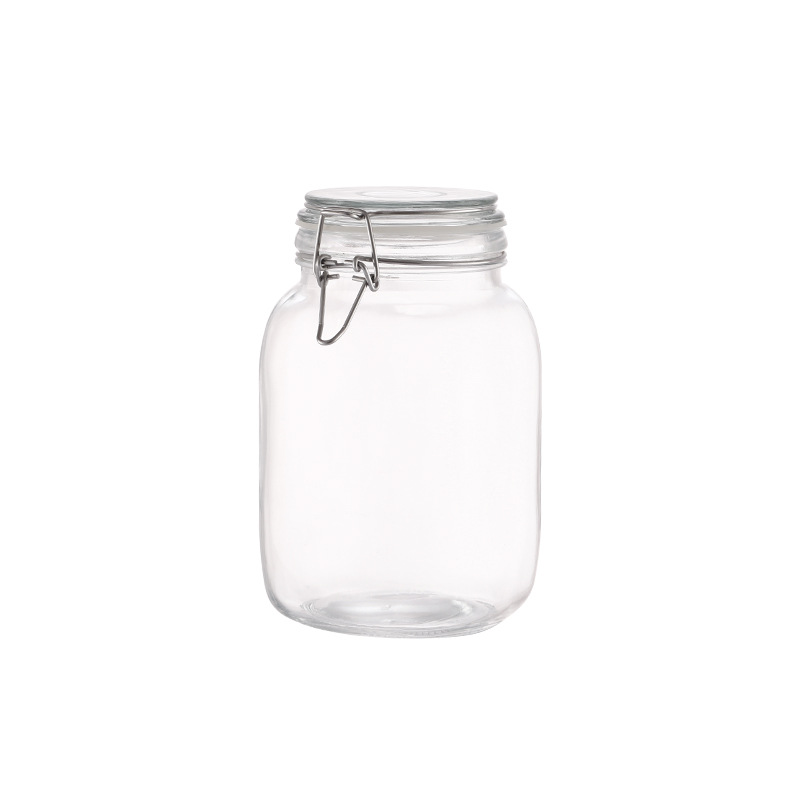
Water vapour almost never travels through the glass. It travels through the liner, past the threads and into the headspace. A sealed glass jar with a weak liner fails exactly like a plastic bottle, which is why the closure and not the container body usually decides whether a moisture-sensitive tablet survives its shelf life.
The check is cheap and worth running on any change of pack. Weigh a set of tablets, seal them in the candidate container, hold them at 40 degrees Celsius and 75 percent relative humidity for four weeks, then weigh again. A gain above roughly two percent of the starting weight is the signal to change the liner, add a desiccant or both. Running it on a filled sample beats discovering the answer on a pallet.
Glass and Plastic: Which Material Earns the Container
Material choice is a trade between barrier, weight and how the pack is handled. Glass gives the best moisture barrier and the heaviest freight bill; plastic gives the lightest pack and needs the closure to do more work. The realistic options for a tablet line sit in a narrow band.
| Container | Moisture barrier | Light and weight | Best used for |
|---|---|---|---|
| Flint glass packer | Excellent | No light block, heavy | Cartoned supplement packs |
| Amber glass packer | Excellent | Blocks UV, heavy | Light-sensitive actives |
| HDPE packer | Good with a liner | Opaque, light | High-count supplement lines |
| PET packer | Fair alone, good with a desiccant | Clear, light | Retail packs that show the tablets |
| Metal tin or canister | Excellent | Opaque, medium | Lozenges and chewable formats |
PauPack runs both routes because the answer is often mixed: glass for the hero size, plastic for the large count that ships by air. The pill bottle range covers the plastic side of that pairing.
Desiccants, Headspace and the Air You Ship
A desiccant is a moisture budget, not a decoration. The canister or sachet has to absorb what the headspace air carries plus what the tablet releases, and it has to still be working in month eighteen. Over-sizing a desiccant can pull a coated tablet below its specification and make a good product feel dry.
Canisters drop into wide packers and stay out of the tablet flow. Sachets cost less and read as an insert the customer has to throw away. Desiccant-lined caps work well in small counts, where the closure has volume to spare. Whichever is chosen, the fill height has to be fixed at the same time, because headspace and desiccant are two halves of one calculation.
Closures, Liners and Child-Resistant Options
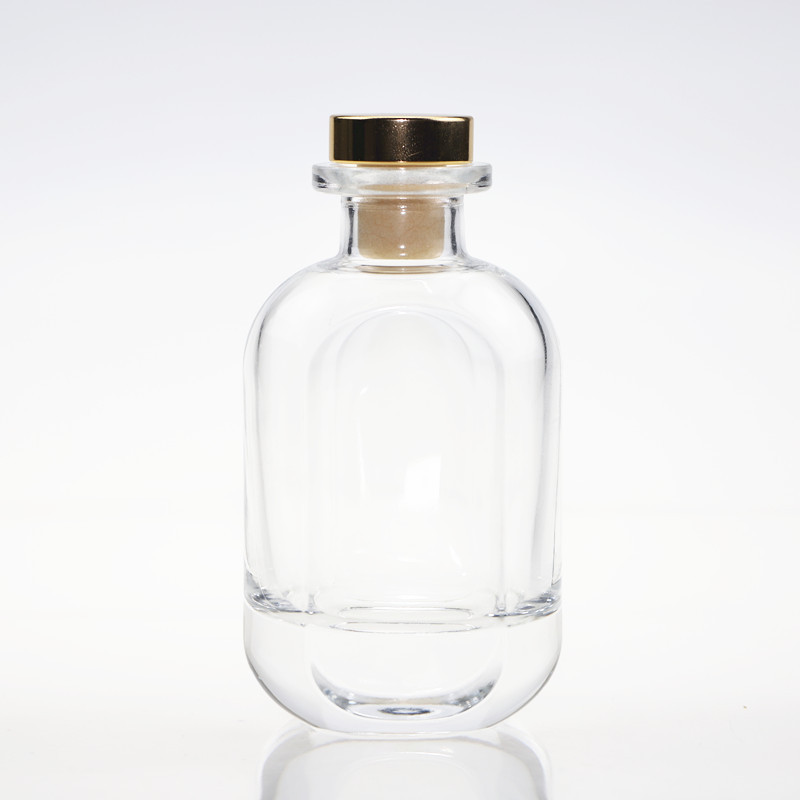
The closure is the part of the pack that actually keeps water out, and the liner inside it does the work. Two closures that look identical on a sample table can differ by an order of magnitude in moisture transmission depending on the liner inside.
| Closure | Liner | Barrier | When it fits |
|---|---|---|---|
| Metal continuous thread | EPE or pulp | Fair | Low-count packs sold quickly |
| Plastic continuous thread | Foil induction membrane plus EPE | Best on a stock packer | Moisture-sensitive tablets |
| Push-and-turn child-resistant | Foil membrane under the cap | Good | Where special packaging is triggered |
| Desiccant-lined cap | Desiccant in the closure | Good for small fills | Sample and travel sizes |
| Metal screw with plastisol | Plastisol flowed into the cap | Medium | Classic apothecary presentation |
Where access restrictions apply, the closure becomes a regulatory question as well as an engineering one. The Poison Prevention Packaging Act explains how special packaging is triggered, and the trigger follows the substance rather than the bottle shape.
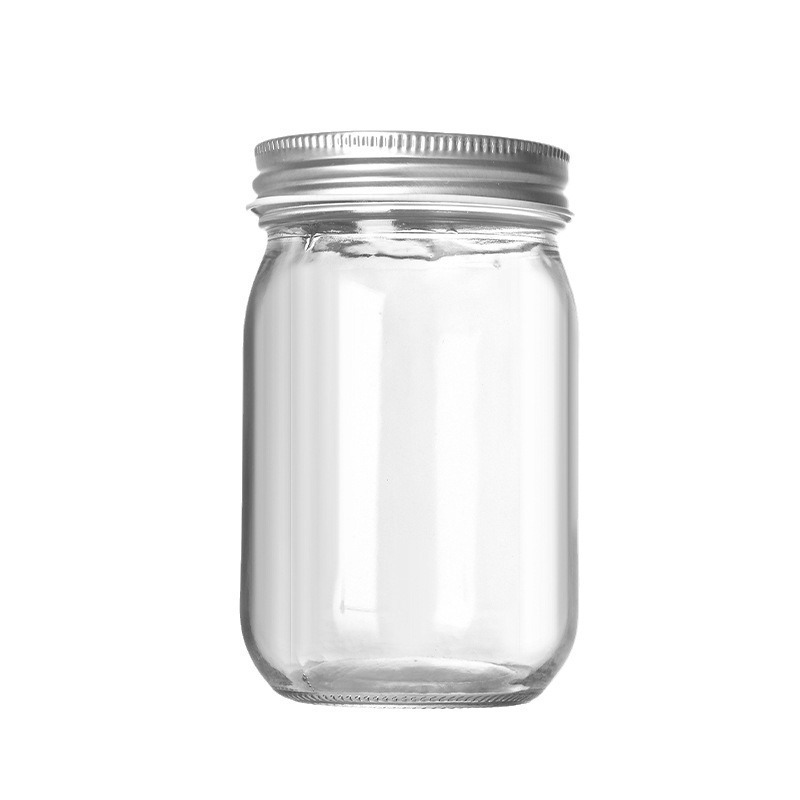
Reading the liner as a component rather than as a detail is what separates a pack that passes from one that comes back. On glass tablet containers sold into a regulated market, the liner part number belongs on the specification sheet next to the glass drawing.
Induction Sealing and Tamper Evidence
An induction foil membrane seals to the glass or plastic lip and removes the liner from the moisture equation entirely. It is the cheapest upgrade available on a tablet pack, and it doubles as a tamper indicator because the foil is visibly broken on first opening.
Sealing quality depends on three settings: power, dwell time and the flatness of the lip. A warped lip produces a channel that no amount of power will close, which is why PauPack inspects the finish on the sample rather than only the foil. Where the cap is child-resistant, the foil has to be applied before the cap is torqued, and the torque then has to be re-checked because the membrane changes the feel of the closure.
The membrane is also the cheapest way to make glass tablet containers behave like a high-barrier pack, because it removes the one component that lets vapour past the threads. A container body alone is never the barrier; the sealed assembly is.
Light, Amber and the Coating Decision
Light degrades some actives faster than moisture does, and the answer is not automatically amber glass. Amber blocks the damaging wavelengths, but it also hides the tablet, which matters when the pack is sold on a shelf rather than dispensed from a drawer.
Three routes are common on glass tablet containers: amber glass with a carton, flint glass with a full-wrap label, or a film coat on the tablet that carries the protection. Each moves cost and changes the label coverage, so the decision belongs beside the artwork brief rather than after it. PauPack also supplies frosted and coloured finishes, since a frosted pack softens a pale tablet without blocking light the way a solid colour does.
The Evidence File a Vendor Should Hand Over
A tablet container is sold with documents, and a supplier who cannot produce them is a risk at any price. The file is short: a drawing with tolerances, a material declaration, the closure and liner reference by part number, a certificate of analysis for the shipping lot, and a declaration on migration or leachables where the product is regulated.
Where the pack is pharmaceutical, the container and closure are assessed as one system, which is how the FDA guidance on container closure systems treats them. The USP chapter on containers describes the test language a specification can borrow. Ask for the file with the quotation and the conversation gets shorter.
Stability Testing Without a Full Lab
Not every brand has a stability chamber, and not every brand needs one to make a sensible decision. The accelerated check described earlier answers the barrier question: does this pack, with this liner and this desiccant, hold the tablets for four weeks under heat and humidity. If it fails there, it will fail on the shelf.
What a brand cannot answer alone is consistency. A lot that passes in March and fails in September usually points at liner supply rather than at the tablet, and that is the point where a container supplier's retained samples earn their keep. PauPack keeps the approved sample, the liner reference and the sealing settings with the project, so a reorder is measured against the pack that passed rather than against a new one.
Run the check once on glass and once on the plastic alternative if both are on the table. Glass tablet containers will usually win the moisture comparison and lose the freight comparison, and having both numbers on one page is what makes the choice defensible later.
Filling Line Compatibility and Runnability
A container that protects perfectly and jams the line is not a container. Tall narrow packers can float in an unscrambler hopper built for wide jars, and a change of neck finish changes the torque window on the capper.
Three details cause most of the trouble: the finish tolerance, the base diameter as it meets the conveyor, and the flat landing area for an induction sealing head. Send the line details with the brief and PauPack will trial the container against them, because a trial on the customer's equipment costs far less than a rejected pallet. Most glass tablet containers are easier to run than they look, provided the neck finish is dimensionally consistent from lot to lot, which is why the drawing is checked before the sample is approved. The quality management process keeps that trial record with the project file, and the notes on glass pill bottles in wholesale volumes cover the same discipline on a larger order.
Sizes, Sample Runs and the First Order Quantity
Stock glass tablet containers generally run from about 20 ml for a sample fill to 500 ml for bulk dispensing, with 30 ml, 60 ml, 75 ml, 120 ml and 150 ml carrying most tablet counts. The stock list keeps tooling at zero and the first order small.
A custom shape is a different decision, worth paying for when the silhouette is the brand and a mistake when schedule pressure is the only reason. PauPack quotes both routes together with the crossover volume stated, so a brand can see what the mould costs per unit at its real volume. The accessories supply team quotes cap, liner and desiccant in the same response so nothing is ordered twice.
What PauPack Needs to Quote a Tablet Container
Send the tablet size, hardness and coating, the target count per pack, the moisture sensitivity, the market and its packaging rules, the filling method, the closure direction and the annual volume. If a pack already exists, send the drawing and the liner reference; if it does not, send the tablet and the shelf-life target.
PauPack returns stock and custom routes side by side with tooling, MOQ and a sample plan that includes the moisture check, so the decision is made on data rather than on a photograph. When the brief is ready, send it through the inquiry form and the team will come back with the route that survives stability, the filling line and the freight bill.
Questions Buyers Ask About Glass Tablet Containers
Are glass tablet containers better than plastic for tablets?
They are better at blocking moisture and worse at travelling light. Glass keeps water vapour out for as long as the closure holds, so the liner and the seal decide the result. HDPE or PET wins when freight weight and drop resistance matter more than an absolute barrier.
Do tablets always need a desiccant?
No, and adding one without a reason can dry a coated tablet past its specification. A desiccant earns its place when the active ingredient or the coating is moisture sensitive and the pack has to hold specification through the stated shelf life. Size it from a moisture test, not from habit.
How much headspace should a tablet container have?
Enough to fill without bridging the threads and no more than the filling line needs. Headspace is air, air carries water vapour, and every extra cubic centimetre is moisture the desiccant has to absorb. Aim for a consistent fill height rather than the largest volume the bottle will take.
Should a tablet container have a child-resistant closure?
That depends on the substance inside, not on the bottle. Where the product meets the criteria set out in the Poison Prevention Packaging Act, special packaging is required and the closure has to be tested to the protocol. Confirm the substance first, then choose the closure.
How do I test a container for moisture before ordering?
Weigh a set of tablets, seal them in the candidate container, hold them at 40 degrees Celsius and 75 percent relative humidity for four weeks, then weigh again. A gain above roughly two percent of the starting weight is a warning sign. PauPack supplies filled samples so the test starts from a real fill.
Do glass tablet containers need an induction seal?
If the tablets are moisture sensitive, the foil membrane is usually the difference between passing and failing stability. The glass itself resists water vapour; the liner is the weak point, and a sealed foil membrane removes it. Induction sealing also gives a visible tamper indication on opening.
What sizes do glass tablet containers come in?
Stock packers generally run from about 20 ml for a pocket or sample fill up to 500 ml for bulk dispensing, with 30 ml, 60 ml, 75 ml, 120 ml and 150 ml carrying most tablet counts. Custom sizes are possible from a new mould, priced against the volume that justifies it.
What documents should a tablet container supplier provide?
The dimensional drawing with tolerances, the material declaration, the closure and liner reference, a certificate of analysis for the lot, a statement on migration or leachables where the product is regulated, and the retained reference sample. Ask for them with the quotation, not after the shipment.
Will an existing filling line run a new tablet container?
Usually, if the neck finish is dimensionally consistent and the container feeds through the unscrambler without bridging. Tall narrow packers can float in a hopper built for wide jars, and foil sealing heads need a flat landing area. PauPack asks for the line details so the trial answers the question once.
What does PauPack need to quote a tablet container?
The tablet size, hardness and coating, the target count per pack, the moisture sensitivity, the market and its packaging rules, the filling method, the annual volume, and the closure direction. With those, PauPack returns stock and custom routes with tooling, MOQ and a sample plan.