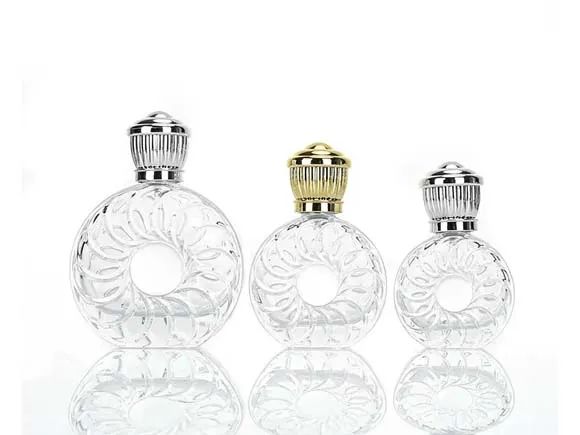


Glass has been a trusted material for food and beverage storage for centuries, celebrated for its durability, clarity, and inertness. However, the question “Is all glass food-safe?” is more complex than it appears. Not every type of glass is suitable for direct contact with food or beverages. The safety depends on the glass composition, manufacturing process, and regulatory compliance.
Paupacking, a leading supplier of premiumGlass Bottlesandglass jars, offers products that meet stringent food safety standards. This article will provide an in-depth exploration of what makes glass food-safe, the different types of glass used in food packaging, regulatory considerations, and practical advice for selecting and using glass containers safely. We will also highlight how Paupacking’s products align with these requirements, ensuring your food and beverage packaging is both safe and elegant.
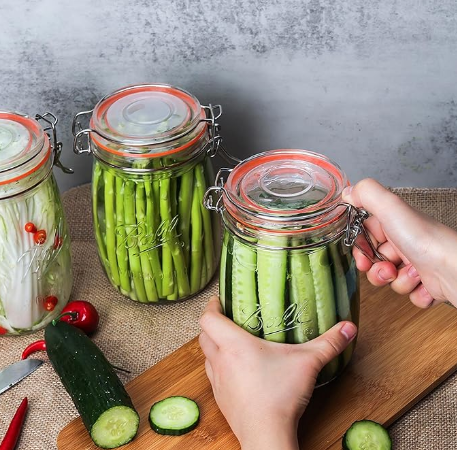

1. Understanding What "Food-Safe" Means for Glass
1.1 Definition of Food-Safe Glass
Food-safe glass refers to glass materials that do not release harmful substances into food or beverages. This means the glass is chemically inert, non-toxic, and free from contaminants such as lead, cadmium, or other heavy metals. Food-safe glass must also resist degradation or chemical reactions when exposed to various food types, including acidic or alkaline substances.
1.2 Regulatory Frameworks and Standards
In the United States, the FDA regulates materials intended for food contact, including glass. Glass manufacturers must ensure their products comply with FDA regulations regarding chemical migration and toxicological safety. Similarly, the European Union enforces regulations such as REACH and mandates compliance with ISO standards for food contact materials.
Paupacking’sGlass Bottlesand glass jars are manufactured under strict adherence to these regulations, ensuring safety for food and beverage use.
1.3 Why Food-Safe Certification Matters
Food-safe certification provides assurance that a glass container will not negatively impact the food or beverage it holds. This is critical for consumer health, brand reputation, and regulatory compliance. Using uncertified glass jars risks contamination, off-flavors, and legal issues.
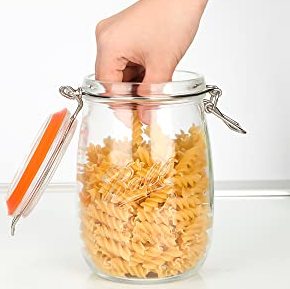
2. Types of Glass Used in Food and Beverage Packaging
2.1 Borosilicate Glass (Type I)
Borosilicate glass is prized for its exceptional thermal resistance and chemical inertness. It contains silica and boron oxide, which give it a low coefficient of thermal expansion, allowing it to withstand rapid temperature changes without cracking.
Applications:Laboratory glassware, high-end cookware, and premium food containers.
Advantages:Ideal for hot or acidic foods and beverages; highly durable and safe.
Limitations:Higher cost due to complex manufacturing.
Paupacking offers select borosilicate glass jars for specialized food applications requiring superior thermal stability.
2.2 Soda-Lime Silicate Glass (Type III)
This is the most common glass type used for food packaging. It is made from silica sand, soda ash, and lime, offering good chemical resistance but lower thermal shock resistance compared to borosilicate.
Applications:Beverage bottles, jam jars, and general food containers.
Advantages:Cost-effective, widely recyclable, and generally safe.
Limitations:Susceptible to cracking if exposed to sudden temperature changes.
Most Paupackingglass jarsare made from high-quality soda-lime glass optimized for food safety and durability.
2.3 Treated Soda-Lime Glass (Type II)
Treated soda-lime glass undergoes an internal dealkalization process to improve chemical resistance, making it more suitable for certain food and pharmaceutical applications.
Applications:Specialty food packaging requiring enhanced chemical resistance.
Advantages:Balances cost and performance.
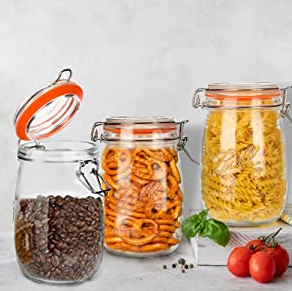
3. Why Glass is Considered One of the Safest Food Packaging Materials
3.1 Chemical Inertness
Glass does not react chemically with food or beverages, preserving flavor, aroma, and nutritional value. This inertness prevents contamination and ensures product integrity.
3.2 Non-Porous and Impermeable Surface
Glass has a smooth, non-porous surface that does not absorb liquids, odors, or bacteria. It also provides an excellent barrier against oxygen and moisture, extending shelf life.
3.3 No Chemical Migration
Unlike some plastics, glass does not leach chemicals such as BPA or phthalates into food, making it a safer choice for food storage.
3.4 Regulatory Recognition
Glass is classified as “Generally Recognized as Safe” (GRAS) by the FDA and is exempt from many chemical restrictions under EU regulations.
3.5 Paupacking’s Eco-Friendly Glass
Paupacking’sGlass Bottlesare made from recycled and recyclable glass, supporting sustainable packaging without compromising safety or quality.
4. Common Concerns and Misconceptions About Glass Food Safety
4.1 Lead and Heavy Metals in Glass
Older or decorative glassware may contain lead or cadmium, which can leach into food. Modern food-grade glass, including Paupacking’s products, is free from these toxic substances.
4.2 Glass Coatings and Decorations
Some glass jars have coatings or metallic decorations that are not food-safe or microwave-safe. Verify that any decorative elements comply with food safety standards.
4.3 Thermal Shock and Breakage
Glass can break if subjected to rapid temperature changes. Using appropriate glass types and handling methods minimizes this risk.
4.4 Paupacking’s Quality Assurance
All Paupackingglass jarsundergo strict quality control to ensure they are free from harmful substances and safe for food contact.
5. Practical Tips for Choosing and Using Food-Safe Glass Containers
5.1 Verify Food-Grade Certification
Always select glass jars and bottles certified food-safe by recognized authorities.
5.2 Inspect for Damage
Avoid using glass containers with chips or cracks to prevent contamination and injury.
5.3 Use Appropriate Glass for Your Application
Choose borosilicate glass for high-heat applications and soda-lime glass for general storage.
5.4 Proper Cleaning and Maintenance
Clean glass jars thoroughly before use and avoid abrasive cleaners that can damage the surface.
5.5 Paupacking’s Guidance
Paupacking provides detailed usage and care instructions with everyglass jarpurchase to ensure optimal safety and longevity.
6. Benefits of Using Paupacking’s Glass Jars and Bottles for Food & Beverage
6.1 Superior Quality and Safety
Manufactured under stringent standards, Paupacking’sGlass Bottlesand glass jars guarantee food safety and product integrity.
6.2 Wide Range of Sizes and Designs
From small spice jars to large beverage bottles, Paupacking offers versatile options to meet diverse packaging needs.
6.3 Sustainability and Eco-Consciousness
Our jars support zero-waste lifestyles by being reusable, recyclable, and made with eco-friendly materials.
6.4 Customization for Branding
Paupacking offers customization services including labeling, printing, and unique shapes to help brands stand out.
Summary Table: Glass Types and Food Safety
| Glass Type | Composition | Food Safety Level | Thermal Resistance | Common Uses | Paupacking Availability |
|---|---|---|---|---|---|
| Borosilicate Glass | Silica, boron oxide | Very High | Excellent | Laboratory glassware, cookware | Select products available |
| Soda-Lime Silicate | Silica, soda ash, lime | High | Moderate | Beverage bottles, jars | Majority of Paupacking products |
| Treated Soda-Lime | Soda-lime with surface treatment | High | Improved | Pharmaceuticals, specialty foods | Some specialty jars |
| Decorative/Non-Food | May contain lead or coatings | Low/Unsafe | Variable | Decorative glassware | Not recommended |
Conclusion
Not all glass is inherently food-safe, but the vast majority of modern glass jars and bottles designed for food and beverage use meet rigorous safety standards. Food-grade glass, such as borosilicate and treated soda-lime silicate, is chemically inert, non-toxic, and preserves the quality of food and drinks without contamination.
Paupacking’s extensive range of premiumGlass Bottlesandglass jarsare manufactured to meet and exceed food safety regulations, offering durable, sustainable, and customizable packaging solutions for the food and beverage industry.
Choosing Paupacking means investing in safe, elegant, and eco-friendly glass containers that protect your products and enhance your brand’s reputation.
For more information or to explore our product range, visit Paupacking’s website and discover the perfect glass packaging for your food and beverage needs.
If you require tailored advice or printable guides on food-safe glass packaging, Paupacking’s expert team is ready to assist you in making informed and confident choices for your business.