

Fine mist spray bottles look simple on a product page, but they can decide whether a skincare launch feels premium, leaks in transit, or creates complaints after the first use. For facial mist, toner, hair mist, body spray, and light treatment formulas, buyers need to evaluate the bottle, pump, dip tube, closure fit, decoration method, and carton protection together.
This guide is written for skincare brand owners, sourcing teams, and private label buyers who need a practical way to check samples before approving a fine mist spray bottle order. It focuses on the buying decisions that affect daily use, production efficiency, shipping risk, and quotation accuracy.
Start With the Formula and Application
A fine mist package should be chosen around the formula first. A water-light toner usually needs a consistent spray pattern and a comfortable actuator. A facial mist needs an even, soft mist that does not hit the face in large droplets. A hair mist may need a slightly higher output. A formula with botanical extracts, oil phase ingredients, fragrance, alcohol, or suspended particles may need extra compatibility checks before bulk production.
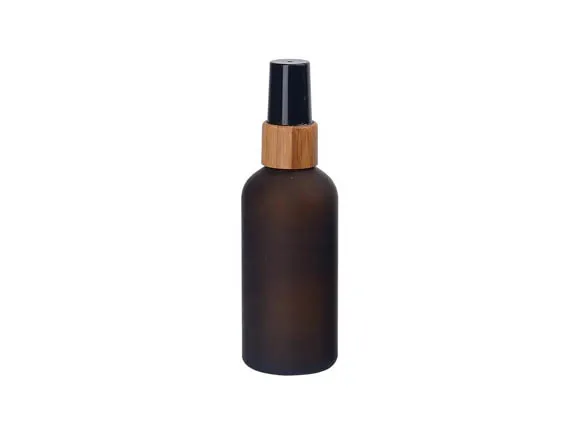
For light-sensitive formulas, amber or frosted glass may help with positioning and light reduction, while clear bottles can work well for samples, fast-moving retail lines, or products protected by cartons. Buyers can review related bottle options on the PauPack products page before narrowing the sample list.
Check Spray Performance Before Checking Appearance
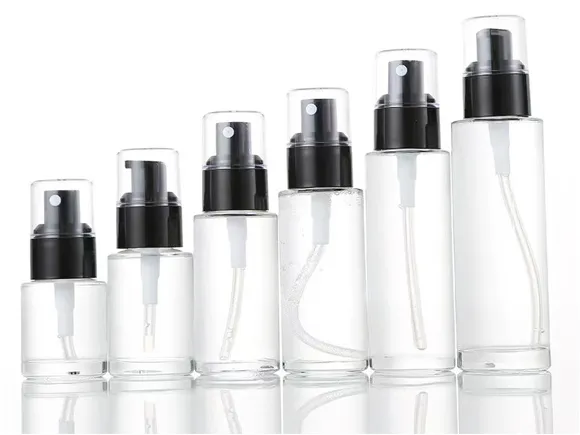
The first sample test should not be the label mockup. It should be the spray. Ask for several samples from the same batch and test them with water first, then with a formula or a formula substitute that is close to the real viscosity. A good fine mist sprayer should prime smoothly, spray evenly, and return cleanly without dripping around the actuator.
Useful checks include spray angle, droplet feel, output per stroke, clogging risk, cap fit, and whether the actuator feels stable after repeated presses. If the mist is too wet, too narrow, or inconsistent from sample to sample, the end customer may see the package as cheap even if the bottle itself looks premium.
Compare Glass, Plastic, and Decoration Needs
Glass fine mist bottles are often chosen for skincare lines that need a premium hand feel, strong shelf presence, and a clean visual identity. Plastic bottles can be useful when breakage risk, weight, or travel convenience matters more. The best choice depends on formula compatibility, target price, shipping route, refill plan, and sales channel.
Decoration should be considered early because it changes MOQ, lead time, sample cost, and artwork requirements. Labels are usually the most flexible choice for new brands. Screen printing, hot stamping, coating, frosting, and custom colors can create a stronger retail impression, but they require clearer artwork confirmation and tighter sample approval.
Confirm Neck Finish, Dip Tube, and Closure Fit
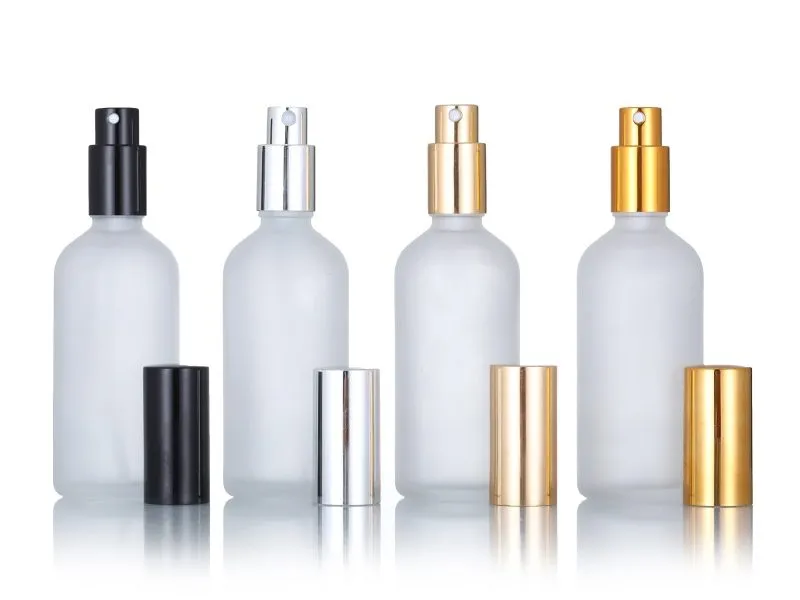
A spray bottle can look correct and still fail if the closure system is not matched. Buyers should confirm neck finish, thread compatibility, gasket or liner material, dip tube length, cap height, and whether the pump is designed for the bottle shape. The dip tube should reach close to the bottom without bending badly or blocking the liquid path.
For sample approval, check the bottle upright, tilted, and after several spray cycles. Look for liquid around the pump, uneven cap seating, loose overcaps, or sprayers that rotate too easily. These small problems become expensive when they appear across thousands of units.
Run Leakage and Transport Checks
Leakage checks should simulate the real path from filling line to customer. Fill samples to the planned level, close them with the expected torque, wipe them dry, and place them upright, sideways, and upside down. If the order will ship by air or to a hot region, discuss pressure and temperature conditions with the supplier.
Carton protection matters as much as the bottle. Ask how bottles are packed, whether sprayers are shipped assembled or separately, how caps are protected from scratches, and whether inner trays or dividers are needed. For glass bottles, poor carton design can damage both the product and the brand impression before the buyer even tests the mist.
Review Label Area and Retail Presentation
Fine mist bottles often have curved shoulders, slim bodies, or frosted surfaces. These details affect label size, barcode placement, and how clearly the product name reads on shelf. Before confirming bulk artwork, check the printable area, label curve, label adhesive, bottle transparency, and whether the final design still looks balanced after the sprayer and cap are installed.
Regulated markets may also require careful label review. For example, brands selling cosmetics in the United States can refer to FDA cosmetics labeling guidance when planning claims and required information. Packaging suppliers can support the container decision, but formula claims and regulatory wording should be reviewed by the brand's responsible team.
Ask for the Right Sample Set
A useful sample request is specific. Instead of asking for "mist bottle samples," send the target capacity, bottle material, bottle color, sprayer color, closure style, decoration idea, order quantity, destination market, and filling method. Add photos of reference products if needed, but make clear which details are required and which are only for inspiration.
If a buyer is comparing several launch options, request a sample set that includes clear, amber, and frosted finishes, plus at least two sprayer options. This makes it easier to compare spray feel, visual positioning, and cost before artwork begins. PauPack can support packaging discussions through its contact page when buyers are ready to share specifications for quotation.
Compare Suppliers by Process, Not Only Unit Price
Unit price is only one part of the buying decision. A lower price may become expensive if the sprayer is inconsistent, the bottle has poor surface quality, the decoration sample is unclear, or the packing method creates damage during transport. Buyers should compare suppliers by sample response, specification accuracy, quality control process, decoration capability, communication speed, and how clearly they explain MOQ and lead time.
A practical supplier should be able to discuss bottle capacity, sprayer output, closure fit, carton packing, sample timeline, and decoration limits without making the buyer guess. Buyers can also review the PauPack company profile to understand the supplier background before moving into quotation details.
Build a Quotation Checklist
Before requesting a final quote, prepare a checklist that includes bottle capacity, bottle material, bottle color, sprayer type, cap color, decoration method, order quantity, sample requirement, destination port or country, packing preference, and target delivery time. If there are formula concerns, include viscosity, alcohol content, fragrance level, or other compatibility notes that may affect pump selection.
This checklist helps the supplier quote the correct item instead of making assumptions. It also reduces back-and-forth communication and gives the buyer a clearer way to compare multiple offers.
Common Questions From Skincare Buyers
What capacity is common for fine mist spray bottles?
Common skincare sizes include 30 ml, 50 ml, 60 ml, 100 ml, and 120 ml. Small sizes work well for samples and travel sets, while larger bottles are common for facial mist, toner, and body spray lines.
Should a new brand choose labels or direct printing?
Labels are usually better for early launches because they keep MOQ flexible and make artwork changes easier. Direct printing or coating is better when the design is stable and order volume supports the extra setup.
How many samples should be tested before bulk production?
Test several samples from the same proposed specification, not only one display sample. Buyers should check spray consistency, leakage, cap fit, decoration, and carton protection before approving bulk production.
What information helps PauPack quote accurately?
Send capacity, bottle material, color, sprayer style, decoration method, order quantity, destination market, target timeline, and any formula details that may affect compatibility or pump choice.