

Understanding the Importance of Essential Oil Packaging
Essential oil packaging plays a vital role in preserving the efficacy and quality of these beloved natural extracts. Whether you're a producer selling to the expanding aromatherapy industry or a small business owner creating handcrafted oil blends, packaging acts as a shield, ensuring your product's integrity. With the growing packaging demand for essential oils due to the rise in natural health and wellness trends, companies must focus not just on functionality but also on consumer appeal.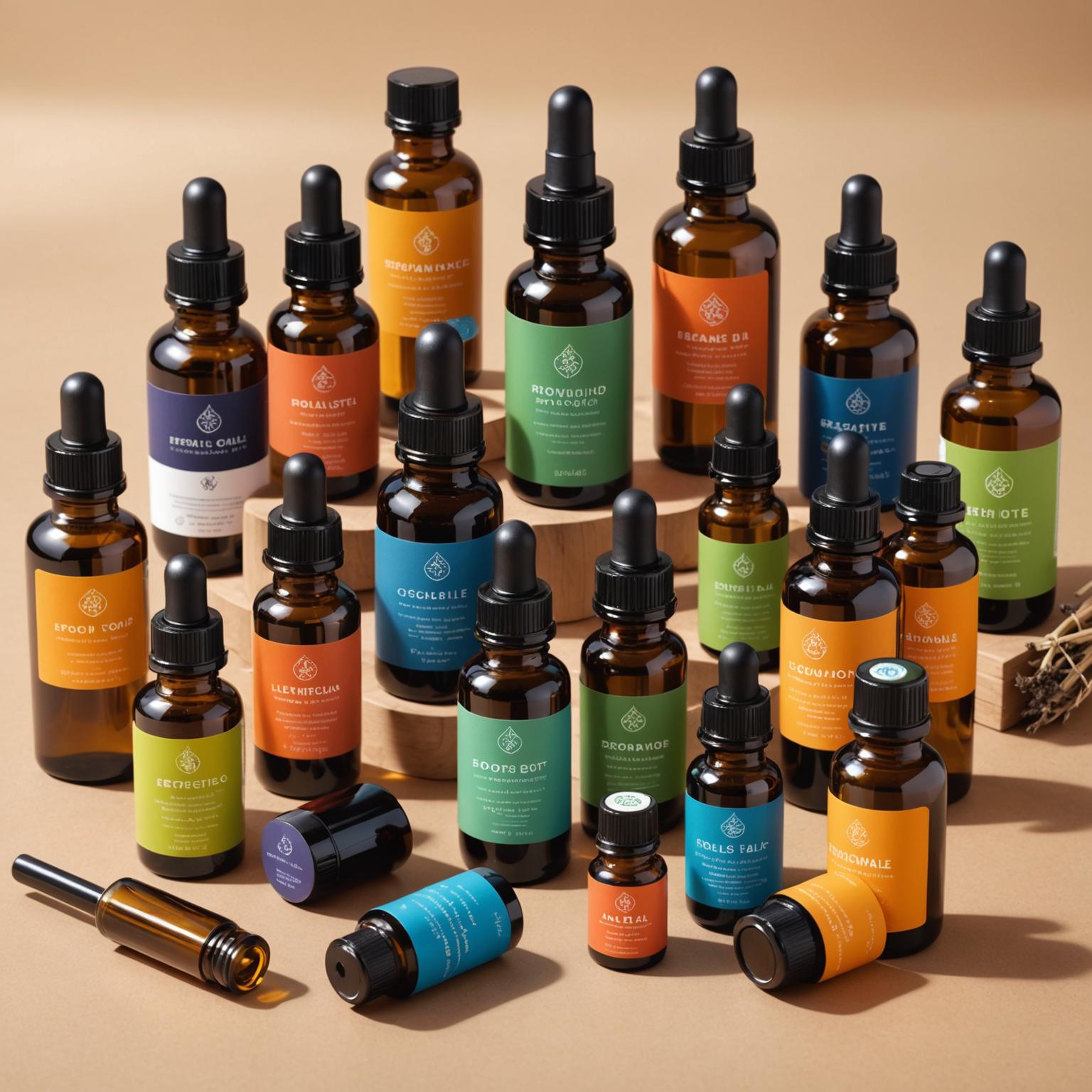
Beyond its protective functions, the presentation of your packaging holds the power to influence buying decisions. Premium, sustainable options not only extend the shelf life of oils but also connect with eco-conscious customers. Additionally, with current essential oil market analysis indicating a significant uptick in demand, businesses have an opportunity to stand out by investing in thoughtful, innovative packaging designs.
Factors Driving Packaging Demand for Essential Oils
The packaging demand for essential oils is closely tied to factors such as product popularity, customer preferences, and market growth. Over recent years, essential oils have surged in popularity as must-have wellness products, increasingly used in aromatherapy, skincare, and even cleaning solutions. This growth has prompted manufacturers to focus on packaging solutions that reflect the premium appeal of these products.
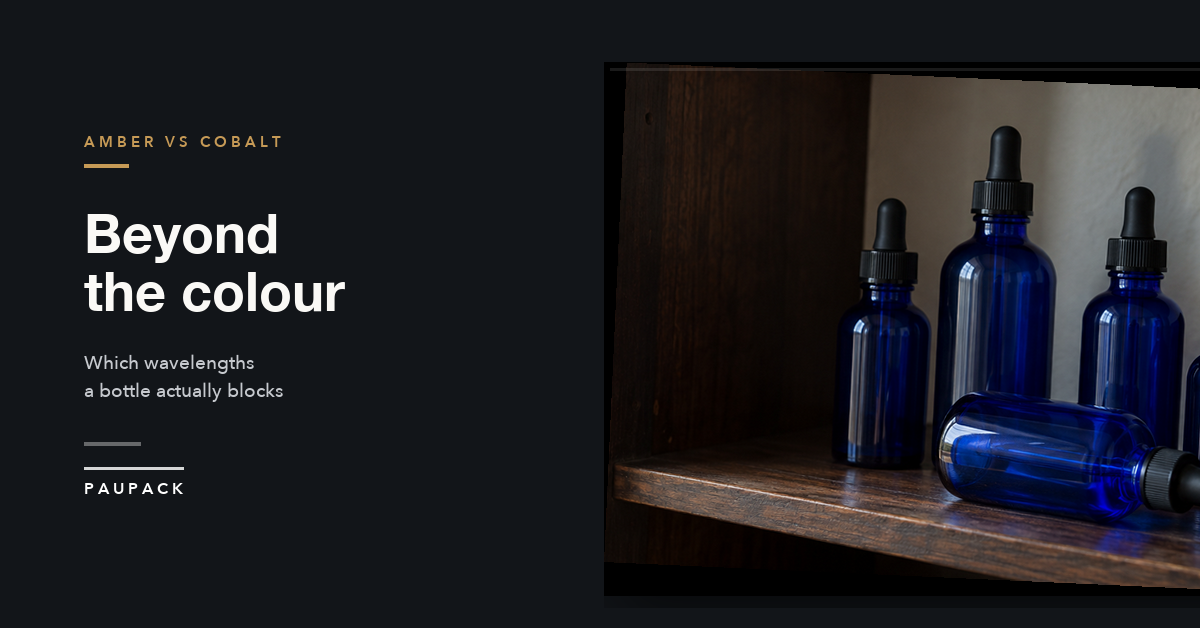
A key reason behind the rising demand is the need for protective packaging. Essential oils, sensitive to light, heat, and air, require materials that can shield them effectively. Amber and cobalt glass bottles, for instance, have become widely used for their ability to provide UV protection, helping to retain the therapeutic properties of the oils.
Moreover, with the advent of e-commerce, the packaging industry for essential oils has adapted to create designs that are robust enough to endure transit while remaining visually appealing. Consumer preferences for sleek, reusable, or recyclable containers further fuel this demand—and rightly so, as sustainable packaging for essential oils makes a significant environmental impact while enhancing brand value.
The Role of Sustainable Packaging for Essential Oils
Today's consumers are more eco-conscious than ever, urging brands to integrate sustainability into their product offerings. Sustainable packaging for essential oils is not just a trend—it's quickly becoming a necessity. By adopting eco-friendly practices, businesses can meet customer expectations while contributing positively to the planet.
One evolving aspect of sustainable packaging is the use of biodegradable materials. Kraft paper labels, compostable pouches, and reusable tin or bamboo-cased containers are a few examples. Recyclable glass bottles remain a top choice for this market, as they combine durability with sustainability effortlessly.
Additionally, businesses opting for minimalistic, waste-reducing designs earn extra points. Practical yet eco-friendly packaging solutions are about striking a balance between aesthetic appeal and environmental responsibility. Not only do such measures lower a company’s carbon footprint, but they also resonate with consumers seeking brands that align with their values.
Packaging Innovations Supporting Essential Oil Market Growth
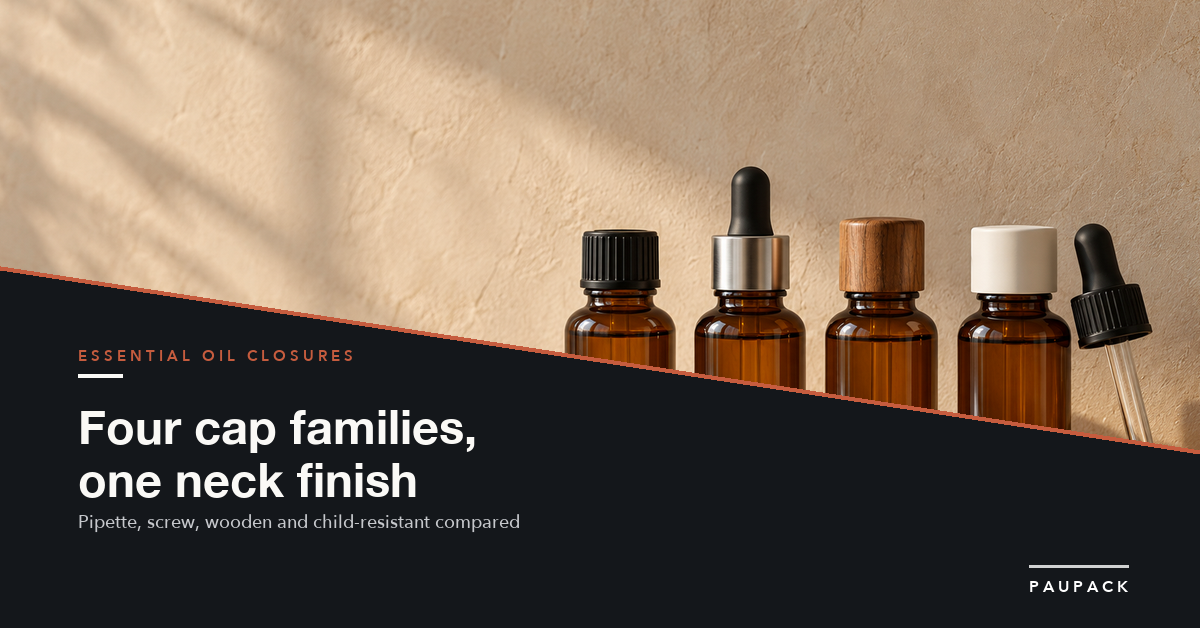
The essential oil market growth is not just impacting production but also driving innovations in packaging. The emphasis on user convenience and aesthetic presentation has given rise to advanced packaging solutions tailored for this niche. Dropper caps, roller ball bottles, and spray pumps are examples of how packaging innovation caters to consumer needs, ensuring precise and mess-free application.
Customization is another area flourishing in the wake of market growth. Many brands offer customized essential oil packaging with unique designs, color themes, and branding elements. These efforts help companies carve out an identity in an increasingly competitive marketplace.
Additionally, incorporating smart packaging solutions is gradually becoming popular. Labels with QR codes linked to essential oil benefits or instructions for use exemplify how brands blend technology with traditional packaging to better communicate with their consumer base. Such creative touches not only offer added value but also elevate the overall user experience.
Finding the Right Aromatherapy Packaging Solutions
Choosing the right aromatherapy packaging solutions requires careful consideration of multiple factors, including the type of oil, target audience, and distribution method. For instance, calming lavender oil intended for high-end retail may thrive in elegant frosted glass bottles with fine mist sprayers. On the other hand, citrus-based oils stored in resealable aluminum tins might align better with shoppers on the go.
Durability is another critical aspect. Packaging should be leak-proof and resilient, especially for oils marketed for travel purposes. Aroma-retention features, like seals and caps designed to preserve potency, also matter greatly in ensuring consumer satisfaction.
Lastly, consider investing in versatile solutions. Aromatherapy collections and gift sets often benefit from cohesive yet flexible packaging that accommodates multiple oils in a single box, encouraging bulk purchases and boosting sales.
Conclusion
In an era where consumer preferences are shaping industries, essential oil packaging has emerged as much more than a functional necessity. It has transformed into a means to enhance brand storytelling, connect with eco-conscious buyers, and meet rising market demands. By understanding packaging trends and adopting innovative, sustainable solutions, businesses can appeal to modern consumers while aligning with essential oil market growth.
Whether you’re an established player or a budding entrepreneur in this field, remember to consider not only the practicality but also the aesthetics and eco-friendliness of your packaging. Doing so will pave the way for satisfied customers, a strong brand reputation, and long-term success in the competitive essential oil market.