

An essential oil bottle MOQ is rarely one fixed number. The bottle, closure, decoration, carton and assembly route can each create a different minimum. PauPack treats the order as a five-step MOQ staircase so buyers can see which decision raises quantity, cash exposure or leftover components.
Step 1: The Stock Bottle Sets the First Floor
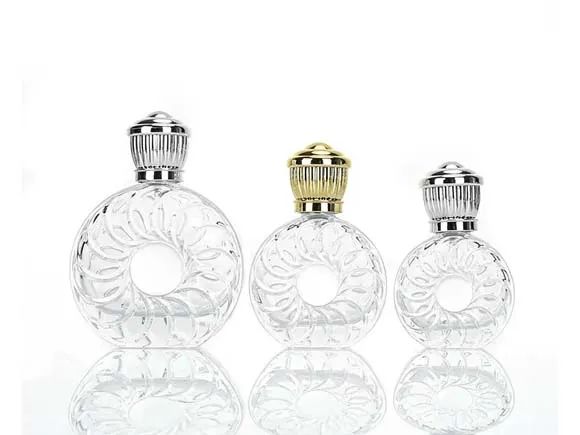
Start with capacity, glass color, neck finish and required quantity by SKU. A stock mold may support a lower entry point than a new shape, but availability still depends on the identified production lot. PauPack's essential oil bottle range gives buyers standard platforms to screen before customization.
Step 2: The Closure Can Become the Real Minimum
Droppers, reducers, rollers and caps may follow different carton quantities and production cycles. Identify every component code, finish and assembly requirement. A quote should state whether excess closures are stored, shipped, discarded or carried into the next order rather than hiding that exposure inside a unit price.
Step 3: Decoration Creates a Batch Threshold
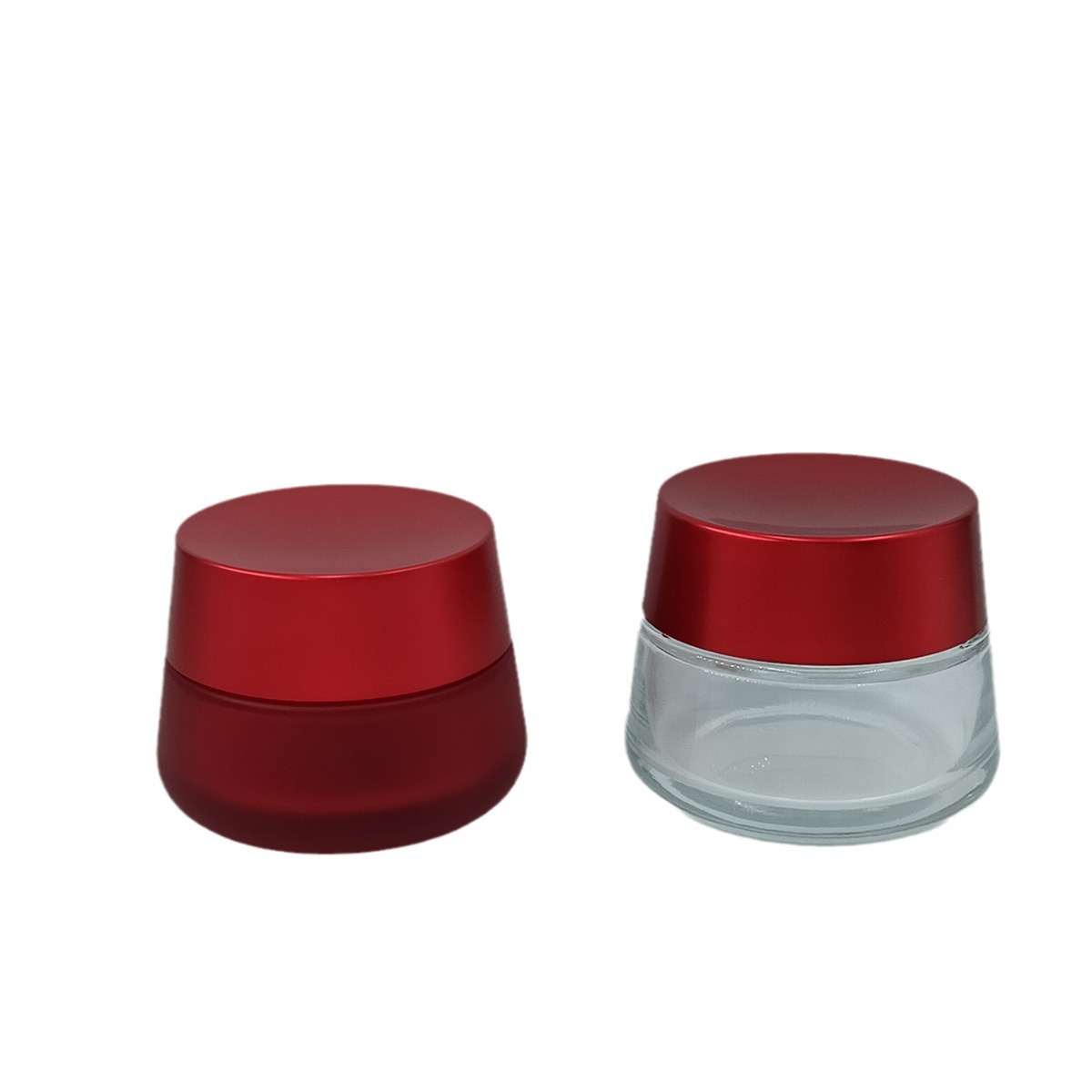
Coating, printing, labels and foil may introduce setup quantities or color-specific runs. PauPack's design service helps consolidate artwork versions and protected zones. Combining SKUs is only useful when the same base bottle and compatible process can genuinely share setup.
Step 4: Packing and Assembly Add Their Own Multiples
A realistic essential oil bottle MOQ review includes dividers, individual cartons, inserts, labels, case packs and assembly labor. PauPack's quality management framework connects these quantities to the released pack specification so cost reductions do not silently change protection or component identity.
Step 5: Convert the Staircase into Landed Inventory
Compare scenarios by sellable units, cash committed, unused components, storage duration and reorder risk. Include samples, freight, duties and inspection where relevant. The lowest quoted minimum is not automatically the lowest commercial risk when it leaves unmatched closures or obsolete printed cartons.
| MOQ layer | Question to record | Typical exposure |
|---|---|---|
| Bottle | Stock platform or new mold? | Glass inventory |
| Closure | Which coded assembly? | Excess components |
| Decoration | How many setups? | SKU-specific stock |
| Packing | What case multiple? | Unused cartons |
PauPack's services, product catalog and custom oil bottle guide support scenario planning. PauPack confirms an essential oil bottle MOQ only when the five floors, surplus ownership and reorder assumptions are visible.
Frequently Asked Questions
Can several SKUs share one minimum?
Sometimes, when they use the same bottle platform and compatible production setup; confirm the rule for every component and process.
Does a stock bottle always have a low minimum?
No. Current inventory, carton quantities, closure supply and decoration can still create higher practical thresholds.
Who owns leftover components?
State whether surplus is stored, shipped, scrapped or credited, along with identification, shelf conditions and future-use rules.
What is the best way to compare quotations?
Compare sellable units, complete landed cost, excess inventory, lead time, storage and change risk under the same specification.