


Inside an essential oil bottle manufacturer audit, PauPack looks beyond a showroom sample. The useful evidence sits in controlled drawings, component responsibility, lot traceability, assembly methods and change records.
The audit below is organized as five evidence files a buyer can request before releasing a private-label program.
File A: Platform Ownership
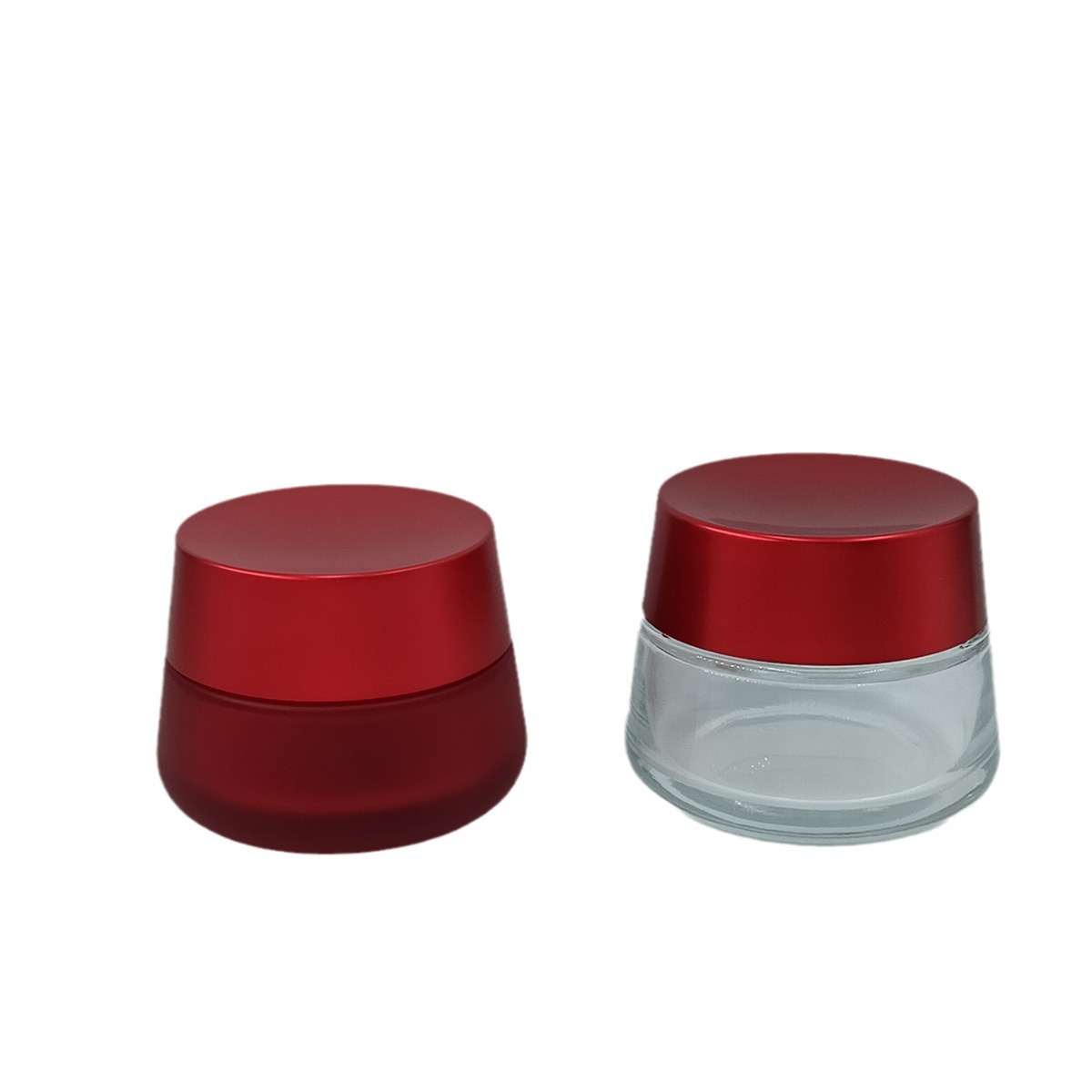
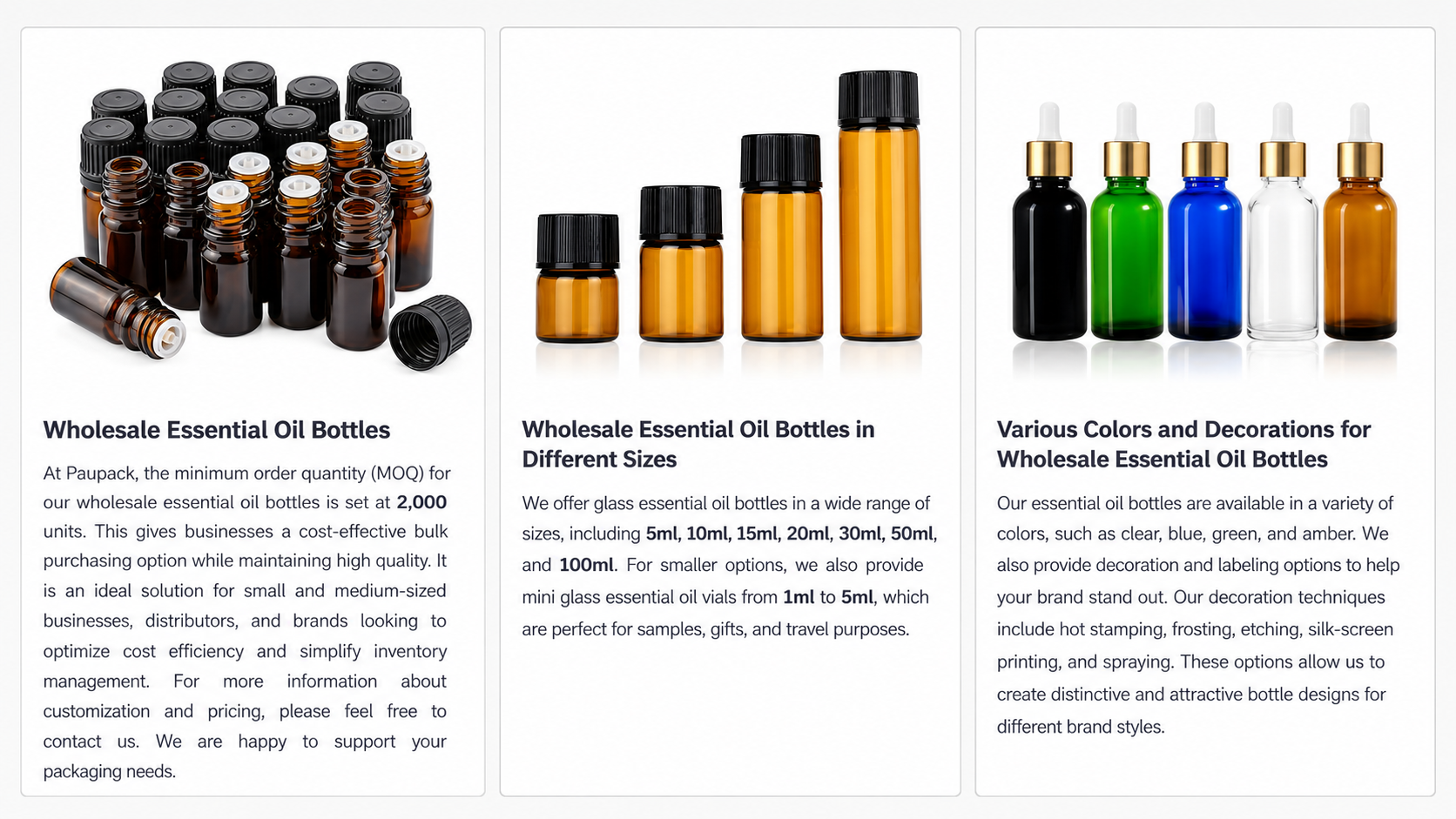
Ask which components are made, purchased or assembled by each party. Confirm drawing ownership, approved suppliers and who authorizes substitutions. PauPack's essential oil bottle range provides reference platforms for droppers, reducers and roller formats.
File B: Interface Control
Review bottle neck, closure thread, liner, dropper bulb, pipette, roller housing or reducer as one system. Record installed dimensions and the application method. The product owner should approve oil compatibility, dosing and consumer-use conditions.
| Audit file | Evidence to request | Buyer decision |
|---|---|---|
| Platform | Drawings and component responsibility | Who controls change? |
| Interface | Installed samples and assembly method | Does the system fit? |
| Decoration | Artwork, color range and contact zones | Is appearance repeatable? |
| Quality | Inspection criteria and lot records | Can results be traced? |
| Supply | MOQ, lead-time logic and packing | Can reorders be controlled? |
File C: Decoration Release
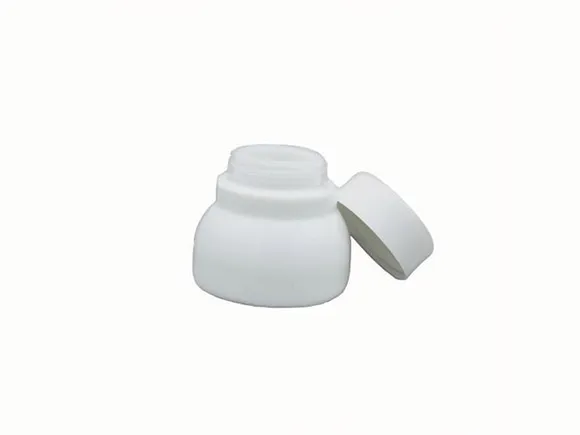
Check coating, printing, labels and cartons against component geometry. Caps may hide artwork, oils may contact decorated zones, and dividers may create rub marks. PauPack's design service connects artwork with physical samples.
File D: Quality and Traceability
Request incoming, in-process and final inspection criteria, retained samples and component codes. Ask how nonconforming material and supplier changes are documented. PauPack's quality management page explains its control framework.
File E: Repeat-Order Readiness
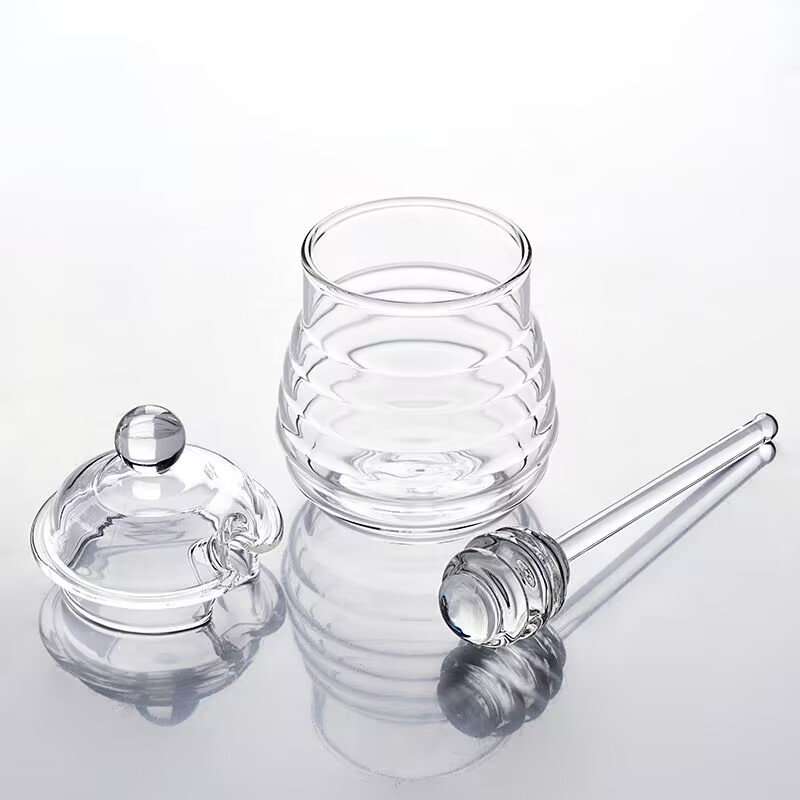
Separate pricing for bottles, closures, applicators, decoration and cartons. Define quantities by SKU, packing configuration, destination and reapproval triggers. PauPack's services support sampling and coordinated packaging.
Buyers should also review the essential oil sourcing blueprint for portfolio-level decisions and PauPack's manufacturing overview for development handoffs. Together, these references help distinguish a component quotation from a controlled packaging program.
An essential oil bottle manufacturer should be evaluated on evidence continuity, not presentation alone. Link approved files to the RFQ and purchase specification.
PauPack helps buyers turn the essential oil bottle manufacturer audit into a repeatable sourcing record that survives staff, supplier and artwork changes.
Frequently Asked Questions
Should buyers audit every component supplier?
Map responsibility first, then apply audit depth according to component risk and the buyer's quality plan.
Who approves oil compatibility?
The product owner should define and approve formula-contact, storage, dosing and consumer-use testing.
What makes a retained sample useful?
It needs component codes, approval date, artwork version and a clear link to the accepted specification.
When should a supplier change trigger reapproval?
Reapprove when a changed material, component, process or source could affect fit, function, appearance or compliance.