

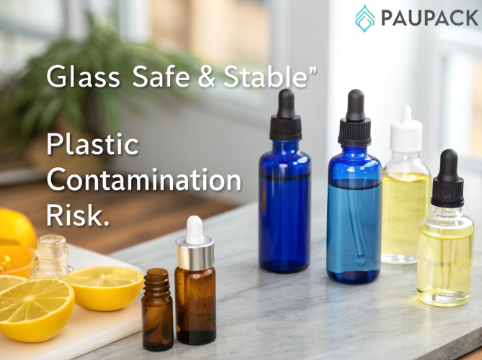
Plastic might be convenient—but for essential oils, it's a risky match.
Yes, essential oils should always be stored in glass bottles. Their high concentration and chemical activity can degrade plastic, leading to contamination, loss of potency, and even health hazards.
Whether you're formulating skincare, aromatherapy, or therapeutic blends, packaging isn't just about looks—it's a science-backed safeguard. Let’s break down why glass is the industry standard and what happens when brands cut corners.

Is it okay to put essential oils in plastic bottles?
Tempting for budget reasons—but not worth the risk.
No, it’s not safe to store pure essential oils in plastic bottles. The oils can break down the plastic over time, leading to chemical leaching and product contamination.
Dive Deeper: Why plastic and essential oils don’t mix
Essential oils are powerful solvents. While that’s great for cleansing skin or purifying air, it’s bad news for plastic containers—especially PET or HDPE, which are common in cheaper packaging.
What Happens in Plastic:
| Plastic Type | Resistance to Oils | Risk Level | Common Issues |
|---|---|---|---|
| PET | Low | High | Warping, leaching |
| HDPE | Moderate | Medium | Slight swelling |
| PP (Polypropylene) | Moderate | Medium | Temporary use only |
| Glass | Excellent | None | Safest long-term choice |
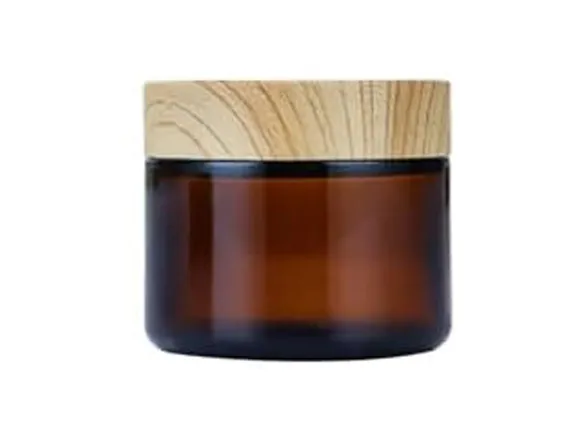
At PauPack, we supply amber and cobalt glass bottles specifically designed for oil protection. Not only do they prevent UV damage, but they also eliminate the risk of chemical interaction—ensuring your product remains pure and powerful.
Can I infuse oil in a plastic bottle?
Infusion sounds natural—but packaging it in plastic? That’s a no-go.
You should not infuse essential oils in plastic bottles, as the chemical reaction between oil and plastic during infusion can compromise the final product's safety and stability.
Dive Deeper: Infusion is more than mixing
Infusing oil typically involves adding botanicals to a carrier oil over time, sometimes with heat. During this period, the oils can become more reactive—especially when exposed to sunlight or heat, which accelerates plastic degradation.
Why It’s Risky:
-
Plastic destabilizes: Oils soften and warp plastic walls.
-
Chemicals leach in: BPA, phthalates, or unknown compounds may enter your blend.
-
Spoilage accelerates: Moisture from botanicals + heat + plastic = rancid oil risk.
Whether you’re crafting DIY blends or producing for retail, using glass containers—like the dropper and pump bottles we offer at PauPack—ensures safety, longevity, and brand credibility.
Is it okay to put oil in a plastic bottle?
Even for basic carrier oils, the packaging choice still matters.
It’s acceptable to store carrier oils in certain high-quality plastics short-term, but for essential oil blends or long-term use, glass remains the safest option.
Dive Deeper: What about coconut, jojoba, or argan oil?
Carrier oils are less volatile than essential oils, so HDPE or PP containers may work for short-term transportation. However, any formula containing essential oils—even just 1%—should default to glass.
Key Considerations:
| Oil Type | Can Use Plastic? | Recommended Material |
|---|---|---|
| Carrier Oils only | Yes, short-term | HDPE, PP, or Glass |
| EO + Carrier Blend | No | Amber Glass |
| Infused Oils | No | Amber/Cobalt Glass |
At PauPack, we help wellness and beauty brands navigate these nuances with packaging options like glass dropper bottles, UV-proof tincture jars, and custom-fit closures—all designed to maintain purity from warehouse to customer.
What is the 30 50 20 rule for essential oils?
It’s not a packaging rule—but it is a smart formulation guideline.
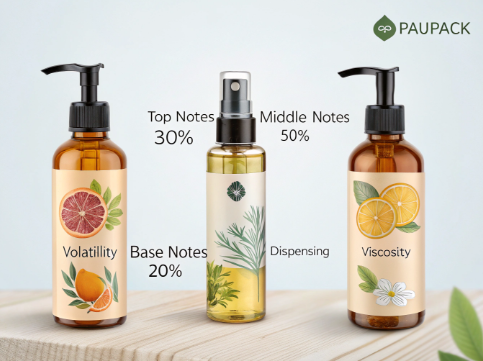
The 30-50-20 rule is an aromatherapy blending technique that divides your essential oil formula into 30% top notes, 50% middle notes, and 20% base notes for balanced fragrance and effect.
Dive Deeper: How this rule impacts packaging decisions
This rule is more relevant to product formulation than packaging, but it indirectly affects how your bottle should function:
-
Top notes (30%) are volatile and evaporate quickly—requiring airtight seals.
-
Middle notes (50%) are the heart of your scent and need consistent dispensing.
-
Base notes (20%) are dense and long-lasting—often more viscous.
All of this points to the need for droppers, pipettes, or pumps that match the viscosity and volatility of the blend. That’s where PauPack comes in—we offer customized closures for each formula type, ensuring that your 30-50-20 masterpiece stays stable and user-friendly.
Conclusion
Essential oils absolutely need to be in glass bottles—plastic just can’t offer the purity, protection, or professionalism your brand demands.