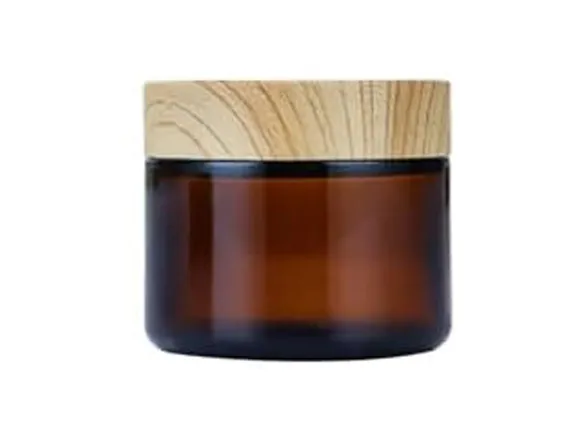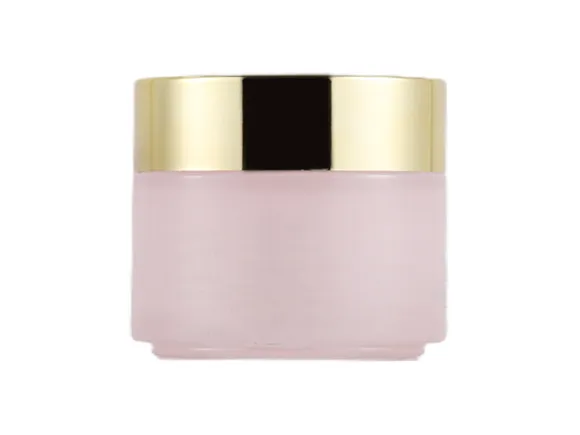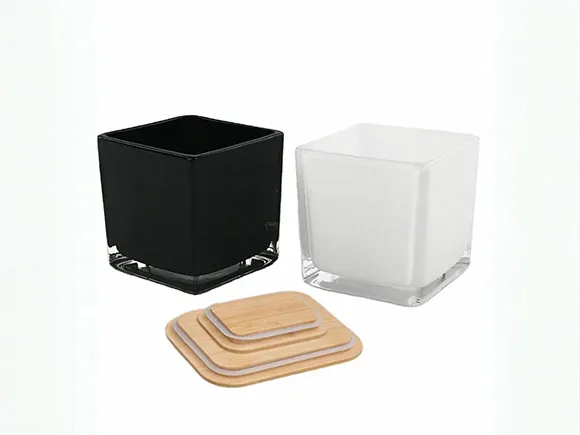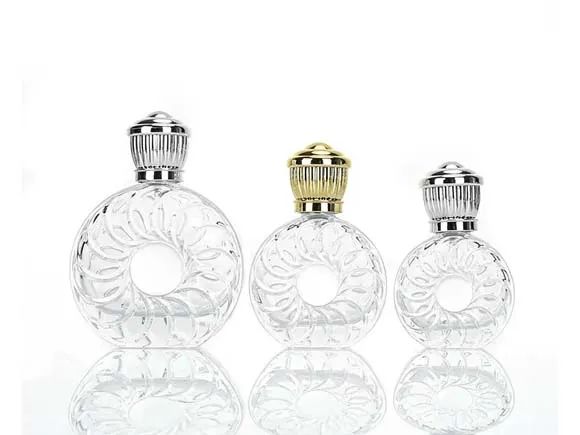


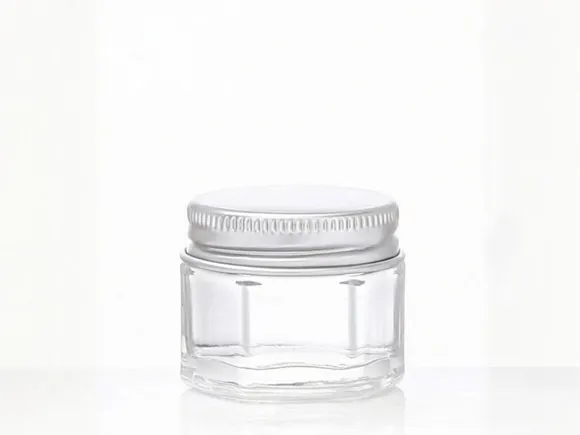
Custom cosmetic jars do not begin with a color chip or a logo file. PauPack begins with an approval file that connects product use, jar geometry, closure interfaces, decoration, packing and the evidence needed for a repeat order.
The file-based approach prevents a beautiful sample from becoming an unquotable or unstable production specification.
File 1: Convert the Mood Board into Product Conditions
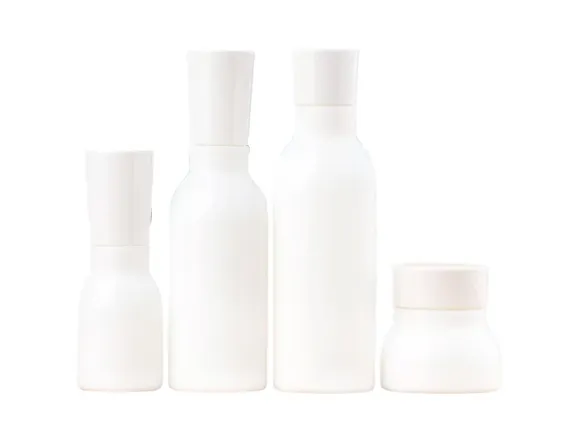
State the formula format, target fill, opening access, intended user, filling method, storage assumptions and retail channel. The product owner defines formula compatibility and protection requirements; the packaging team supplies identified components for that verification.
Start with PauPack's glass cream jar platforms and compare adjacent formats in its health and beauty range.
File 2: Freeze the Structural System Before Decoration
Approve the jar, lid, liner or inner disk as one installed set. Record capacity, opening, neck details, component codes, assembled height, application method and accepted physical samples.
| Approval file | Question it must answer | Release evidence |
|---|---|---|
| Use brief | What must the pack do? | Product and channel conditions |
| Structural set | Which components fit together? | Drawings and installed samples |
| Appearance standard | What variation is acceptable? | Artwork and signed physical range |
| Distribution pack | How is the jar protected? | Carton, divider and shipper sample |
| Reorder record | What must remain unchanged? | Codes, versions and change triggers |
File 3: Turn Decoration into a Measurable Standard
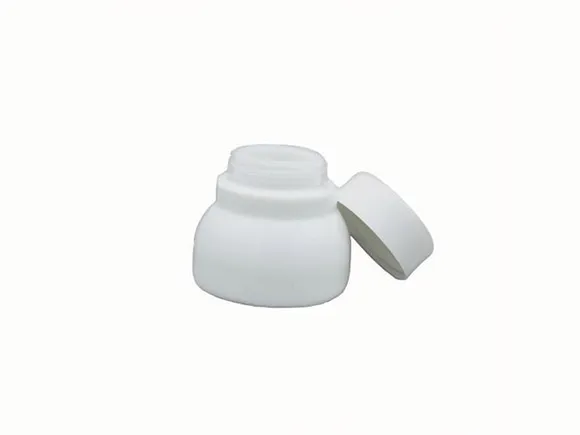
Specify frosting, coating, printing, labels and metallized details separately. Define artwork position, color reference, appearance range and areas that must remain free of decoration. PauPack's design service connects digital artwork to physical jar geometry.
File 4: Approve the Packed System, Not the Display Sample
Run filling, closure application, labeling, cartoning and distribution-style handling with the selected components. PauPack's quality management and packaging services help transfer accepted results into purchasing controls.
Before tooling, compare the approved concept with stock options and PauPack's broader product portfolio. A distinctive closure, finish or carton may deliver the required shelf identity with fewer new interfaces.
When requesting custom cosmetic jars, attach the four files to the RFQ and separate one-time development, component, decoration and packing costs.
PauPack makes custom cosmetic jars repeatable by treating every approved decision as part of one controlled package file.
Frequently Asked Questions
Should decoration be approved before jar fit?
No. Stabilize the structural jar and closure combination before releasing production decoration.
Who approves formula compatibility?
The product owner should define and approve compatibility, storage and consumer-use verification.
What makes a physical standard useful?
It needs component codes, artwork version, approval date and a defined link to the purchase specification.
When is custom tooling justified?
Consider tooling after stock formats cannot satisfy controlled capacity, use, closure or brand requirements.