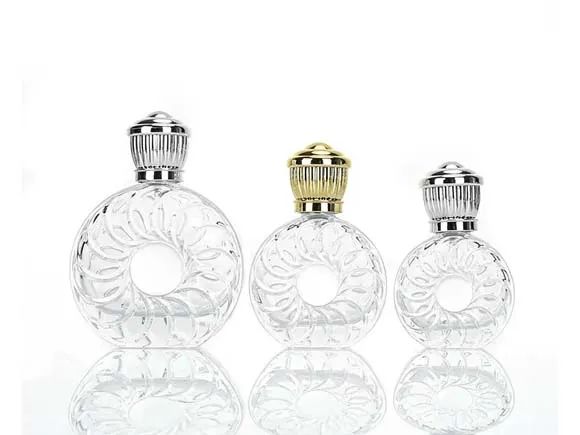


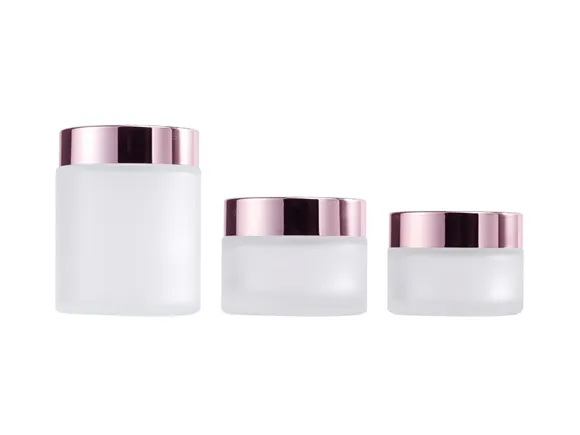
Your cream jar is often the first part of the formula a customer touches. Its weight, opening, color, and closure shape the product experience before the cream reaches the skin. The right cream jar packaging can make a moisturizer feel more premium, make a body butter easier to use, and give a skincare line a more recognizable presence on the shelf.
For a beauty brand, choosing a jar is therefore not simply a question of glass or plastic. The packaging has to support the formula, communicate the right price position, survive shipping, and fit the practical needs of a product launch. This guide compares the main materials, sizes, closures, and customization options so you can build a clearer packaging brief and select samples with confidence.
Start with the experience you want customers to have
Before comparing catalogs, think about what the finished product should feel like in a customer's hand. A rich night cream may need a substantial jar that feels stable on a dressing table. A travel product needs to be compact and easy to carry. A body butter should have an opening wide enough for comfortable use, while an eye cream usually needs a smaller and more controlled format.
Your brand position also changes the decision. A luxury skincare line may value the weight and clarity of glass. A modern everyday range may prioritize a lightweight jar and efficient shipping. A clean beauty brand may focus on simple decoration, material transparency, and a design that does not feel over-packaged. Defining this experience first makes it easier to evaluate materials and finishes without being distracted by every available option.
Cream jar packaging materials: glass, plastic, or double-wall?
Each material creates a different balance of appearance, weight, durability, cost, and design flexibility. There is no single best choice for every skincare product.
| Jar type | What customers notice | Best suited to | Points to consider |
|---|---|---|---|
| Glass cream jar | Weight, clarity, stability, and a premium feel | Face creams, masks, eye creams, and prestige skincare | Shipping protection, breakage risk, and total pack weight |
| Plastic cream jar | Light weight, easy handling, and a practical everyday feel | Body care, travel products, larger sizes, and ecommerce ranges | Material compatibility, surface finish, and the desired price position |
| Double-wall jar | A substantial shape with more freedom in the outer design | Premium-looking skincare lines and coordinated product families | The materials used in both the inner cup and outer shell |
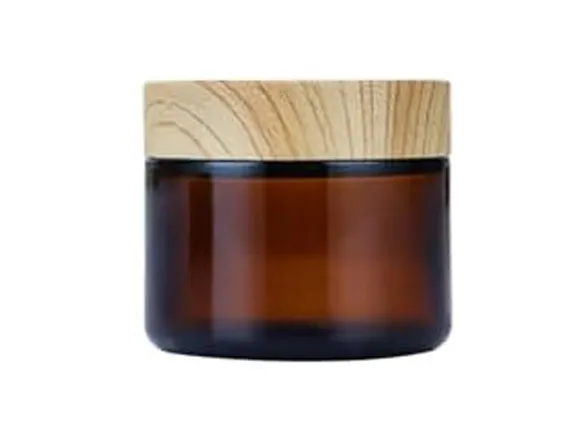
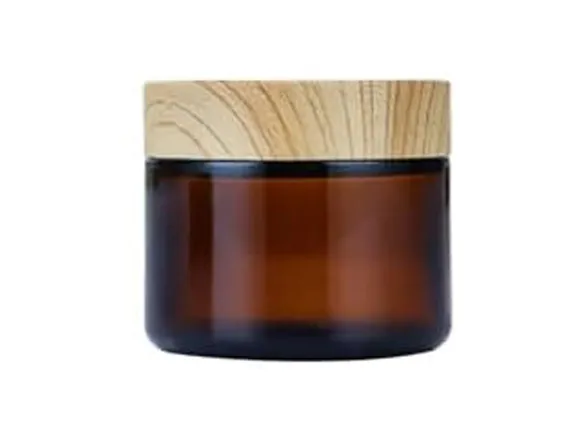
Glass is frequently chosen when shelf presence is central to the brand. Clear glass can reveal the formula color, while amber, frosted, or coated glass creates a more distinctive identity. Plastic can be the better choice when low weight, reduced breakage, or larger capacities matter. Double-wall formats can deliver a substantial appearance without relying on a single heavy component.
Ask the supplier to identify the material of the jar, cap, liner, inner disc, and any decorative outer shell. Customers see one finished package, but your development team needs to understand how every component contributes to performance and recyclability.
Choose a size that fits both the formula and the routine
Capacity affects more than the amount of product in the jar. It influences portability, perceived value, opening size, carton dimensions, and how quickly a customer can finish the formula after opening.
Smaller formats are often useful for eye care, concentrated treatments, discovery sets, and travel products. Medium sizes work well for daily face creams and masks. Larger jars are more suitable for body butter, professional use, or value-focused product lines. Rather than selecting a capacity from a catalog alone, compare the jar with the intended fill weight and the way the product will be applied.

The opening matters as much as the nominal capacity. A wide opening makes a thick balm or body butter easier to scoop, while a smaller opening can make a concentrated face or eye product feel more controlled. Request samples in the actual size range you plan to launch, then compare them as a product family rather than as isolated containers.
The closure is part of the customer experience
A beautiful jar can still disappoint if the cap feels rough, starts at an awkward angle, or requires too much effort to open. When customers use the product every day, the movement of the closure becomes part of their perception of quality.
Look for a cap that starts smoothly, closes consistently, and suits the visual style of the jar. An inner disc can help protect the product and keep the presentation clean, but it should also be easy to remove. Liners and gaskets may support sealing, yet they need to work with the formula and the jar finish. These details should be evaluated with filled samples, not only with an empty presentation jar.
Use customization to make the jar recognizably yours
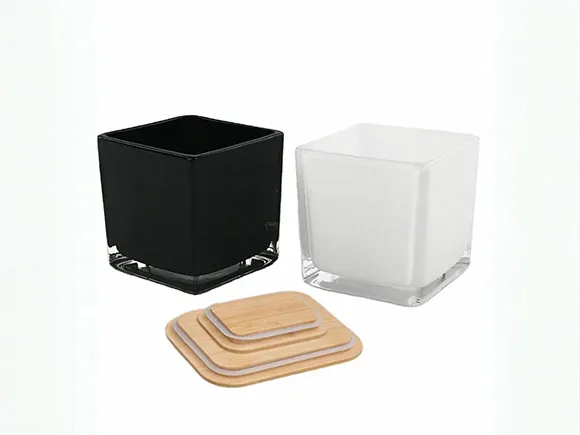
Customization is where a standard container becomes a brand asset. Color, transparency, surface treatment, logo placement, and cap design should work together with the label or carton. Adding every available finish rarely creates the strongest result. A more effective approach is to choose one or two distinctive elements and repeat them consistently across the product range.
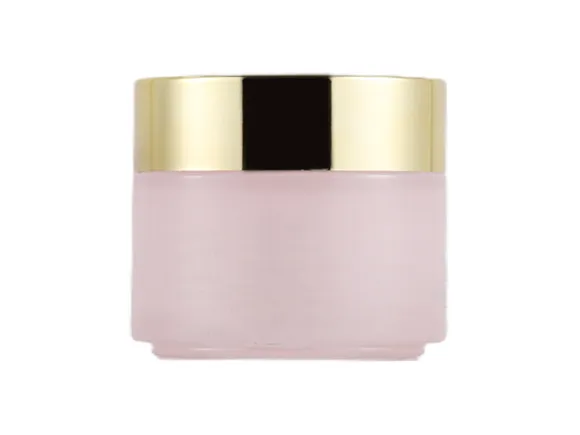
Common options include frosting, color coating, screen printing, hot stamping, labeling, metallized details, and custom-colored caps. Clear glass with restrained printing can feel clinical and modern. Amber glass with a simple label can support an apothecary direction. Frosted glass, a coordinated cap, and a carefully positioned logo can create a softer premium look.
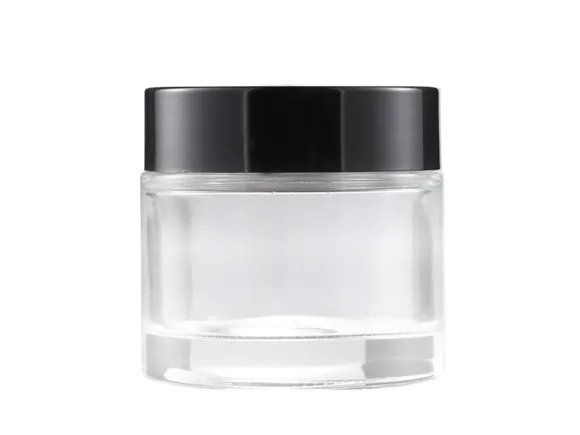
Review decoration on the final jar material and color. A logo that looks sharp on clear glass may need different ink coverage on a frosted or coated surface. Ask to see physical samples under normal retail lighting and in photographs, because customers may first encounter the product on a website or social platform rather than on a store shelf.
Three practical packaging directions for skincare brands
For an emerging skincare brand
Start with a proven jar shape and keep customization focused. A standard glass or plastic jar with a coordinated color, logo print, and well-designed carton can look distinctive without making the first production run unnecessarily complex. The priority is a coherent range that can expand into additional sizes later.
For a premium face cream
Consider a stable glass jar, a refined surface finish, and a closure that feels smooth and controlled. The packaging should support the product's price position without relying on excessive decoration. Weight, proportion, opening experience, and small details such as the cap color often create a stronger premium impression than a crowded design.
For ecommerce body care
Balance shelf appeal with shipping efficiency. A lighter jar or durable plastic format may reduce transport concerns, especially in larger capacities. The retail carton, protective insert, and master packing still need to prevent scuffing, cap movement, and impact damage during parcel delivery.
Balance appearance, budget, and launch speed
Packaging decisions become easier when the supplier quotes more than one route. Ask for a standard option, a customized standard option, and a more fully developed option where appropriate. This helps your team see which design choices create meaningful customer value and which ones mainly add cost or lead time.
Share your target capacity, preferred material, decoration, expected order quantity, destination market, and launch schedule early. Clear information allows the supplier to recommend relevant samples and identify details that may affect production. PauPack's packaging product range provides a starting point for comparing jar formats and related cosmetic packaging.
What to confirm before approving your cream jar
A final sample should represent the product customers will actually receive. Keep the approval process focused on the details that influence appearance, use, and delivery:
- Confirm the jar, cap, liner, and inner component materials.
- Check the recommended fill volume and opening size with the real formula.
- Open and close several samples to compare the user experience.
- Review color and decoration on production-equivalent components.
- Test the filled pack for leakage, compatibility, and shipping conditions.
- Agree on the approved sample, packing method, and acceptable appearance range.
This is enough to protect the launch without turning the customer-facing article into a technical inspection manual. Detailed testing specifications can remain in the project brief shared by the brand, filler, and packaging supplier.
Frequently asked questions
Is glass or plastic better for cream jar packaging?
Glass often provides more weight and a premium shelf presence, while plastic reduces weight and breakage risk. The better option depends on the formula, brand position, capacity, shipping channel, and budget.
What size jar should a skincare brand choose?
Choose the size around the product routine and intended fill, not only the number printed in a catalog. Eye products and concentrated treatments often need compact formats, daily face creams suit medium sizes, and body care products may benefit from larger openings and capacities.
Which customization options make the biggest visual difference?
Jar color, frosting or coating, logo placement, and cap design usually have the strongest effect because customers notice them immediately. A consistent combination of a few elements is often more recognizable than using many decorative techniques at once.
When should a brand request packaging samples?
Request samples after defining the formula type, target size, material direction, brand style, and expected order quantity. This gives the supplier enough information to send options that are relevant to the actual launch.
Build a cream jar that supports the brand, not just the formula
The best cream jar packaging connects product performance with a clear customer experience. Material, size, closure, decoration, and secondary packaging should all support the same brand position. When those decisions are made together, the jar becomes more than a container: it becomes a recognizable part of the skincare product.
PauPack works with beauty brands on cosmetic packaging selection and customization. Learn more about PauPack's packaging experience, or contact the team to discuss your formula, preferred jar style, customization ideas, and sample requirements.