

A lotion pump bottle is more than a container with a dispenser. For a skincare brand, it must protect the formula, dispense the right amount, support labeling and decoration, and survive repeated shipping, storage, and bathroom use. A bottle that looks clean in a catalog can still fail if the pump output is wrong, the dip tube is too short, the closure does not seal, or the carton allows scuffing during transit.
This guide is written for private label skincare buyers, spa product teams, and sourcing managers preparing to compare lotion pump bottles before sampling or requesting a quotation from a packaging supplier.
Start With the Formula and Use Case
The first question is not whether the bottle is glass, plastic, frosted, white, or clear. The first question is how the formula behaves. A light facial lotion, body serum, hand cream, gel cleanser, or emulsion may each need a different bottle neck, pump engine, actuator style, and dip tube length.
Buyers should send formula viscosity, filling temperature, expected fill volume, target market, and usage scenario before asking for samples. If the formula is thick, a standard lotion pump may not return smoothly. If the formula is thin, the pump may dispense too much or leak after shipping. If the product contains oils, fragrance, acids, or active ingredients, compatibility testing becomes more important.
For a broader view of available packaging directions, buyers can review the PauPack products page before narrowing the sample list.
Glass Lotion Bottles vs Plastic Lotion Bottles
Glass lotion bottles are often chosen for premium skincare, spa products, and beauty lines that need a heavier hand feel. They photograph well, resist many formula interactions, and can support frosted, sprayed, or decorated finishes. The tradeoff is weight, breakage risk, and the need for careful carton protection.
Plastic lotion bottles are usually lighter and more practical for shower products, travel formats, large body lotion sizes, or higher-volume retail programs. PCR plastic may support sustainability positioning, but buyers should confirm color consistency, odor, decoration performance, and regulatory requirements for the destination market.
A useful sourcing approach is to compare both options with the same formula, same pump style, and same shipping route. This keeps the decision practical instead of cosmetic.
Pump Performance Checks Buyers Should Not Skip
The pump is often the part that creates the customer experience. A beautiful bottle can still produce complaints if the pump sticks, spits, leaks, or leaves too much product inside.
For samples, check the pump output per stroke, priming time, actuator feel, recovery speed, lock function, and dip tube cut. The dip tube should reach close enough to the base to reduce leftover product, but not curl or press awkwardly against the bottom. If the bottle has a shoulder or unusual base shape, the dip tube may need adjustment.
Buyers should also test the filled bottle in upright, side, and inverted positions after simulated transport. This is especially important for ecommerce brands and distributors shipping mixed cartons.
Neck Finish, Closure Fit, and Leakage Risk
Many leakage issues come from small specification mismatches. A buyer should confirm bottle neck finish, pump thread compatibility, gasket or liner condition, cap torque, and whether the pump locks securely for transport. The pump and bottle should be tested together, not approved as separate components.
For glass bottles, the mouth finish should be consistent across samples. For plastic bottles, check whether the neck deforms under torque or after temperature changes. In both cases, a controlled sample test is more useful than judging by product photos alone.
Decoration and Label Area Matter Early
Decoration should be discussed before the bottle is selected. A bottle may have the right capacity but a poor label panel, curved shoulder, short straight wall, or surface finish that makes decoration harder. Screen printing, hot stamping, frosting, spray coating, label application, and color coating each affect MOQ, cost, lead time, and reject rate.
For a new brand, pressure-sensitive labels are often the most flexible starting point. For a stable product line, direct printing or coating may create a more finished presentation. Buyers should request artwork mockups, label dimensions, and decoration samples before approving bulk production.
Capacity and Pack Set Planning
Common lotion bottle sizes include 30 ml, 50 ml, 100 ml, 120 ml, and larger body care sizes. The right capacity depends on product positioning, expected retail price, usage speed, and channel. A 30 ml bottle may work for facial lotion, travel sets, or trial kits. A 100 ml to 120 ml bottle may suit daily skincare or spa retail.
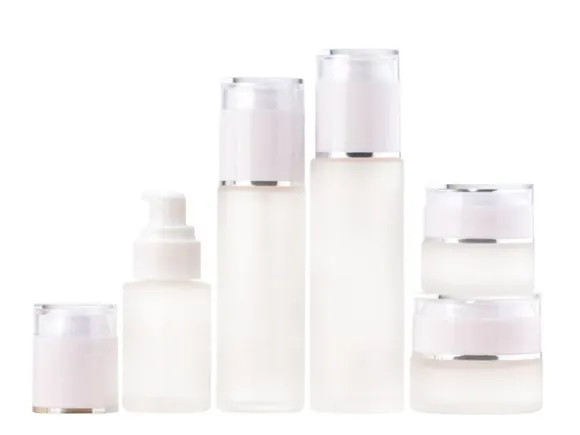
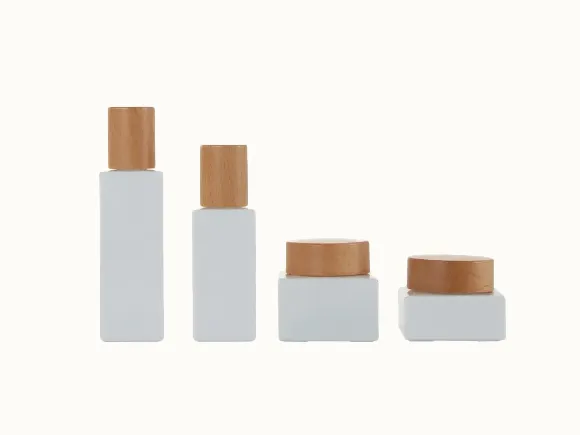
If the brand is selling a full routine, the lotion bottle should coordinate with cream jars, toner bottles, droppers, and secondary cartons. Consistent cap color, bottle finish, and label layout help the line feel intentional.
Sample Approval Checklist
- Confirm fill volume, overflow capacity, and visible fill level.
- Test pump output, priming, recovery, lock function, and dip tube length.
- Check leakage after side storage, inverted storage, and carton movement.
- Review label area, artwork fit, color consistency, and decoration adhesion.
- Inspect surface defects, scratches, bubbles, mold marks, and cap alignment.
- Pack the filled sample in the intended carton and check scuffing after movement.
Quotation Details That Help Suppliers Respond Faster
A clear request for quotation should include capacity, material preference, bottle color, pump color, cap or overcap requirements, decoration method, artwork status, annual volume estimate, first order quantity, destination market, carton requirement, and sample deadline.
Buyers should also share whether they need a stock bottle, private label decoration, or a custom mold. Stock packaging can usually move faster and keep MOQ more flexible. Custom molds can support a unique brand identity but need more time, technical confirmation, and higher project commitment.
For company background and packaging capabilities, buyers can visit the PauPack about page. For quotation preparation, the PauPack contact page is the next step.
Regulatory and Labeling Notes
Packaging can support product quality, but it does not replace formula safety, cosmetic claims review, or local labeling compliance. Buyers selling in the United States can review FDA cosmetics labeling guidance while preparing artwork and product information. Other destination markets may require different labeling or documentation checks.
FAQ
What is the best lotion pump bottle for a new skincare brand?
The best starting point is usually a stock bottle with a proven pump, flexible decoration, and enough straight-wall label area. This helps control MOQ, sampling time, and launch risk.
Should I choose glass or plastic for lotion packaging?
Glass supports a premium feel and works well for many skincare formulas, while plastic is lighter and often more practical for shower, travel, and high-volume products. The formula, channel, shipping method, and brand position should guide the choice.
What sample test matters most for lotion pump bottles?
Pump performance and leakage testing are the most important early checks. Buyers should test filled samples with the actual formula or a close substitute before bulk approval.
Can PauPack help match bottles with pumps and jars?
Yes. PauPack can help buyers compare bottle, pump, cap, jar, decoration, and carton options so the full packaging set works together before production.