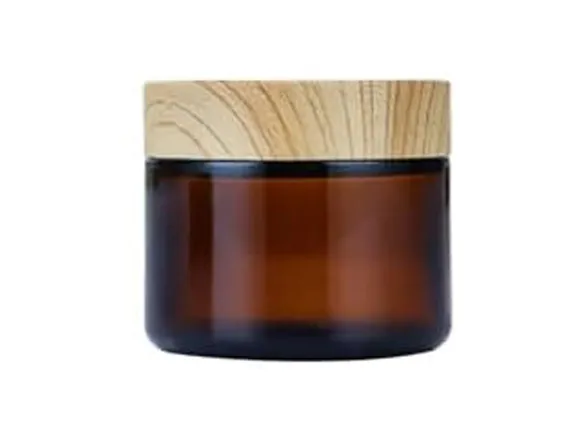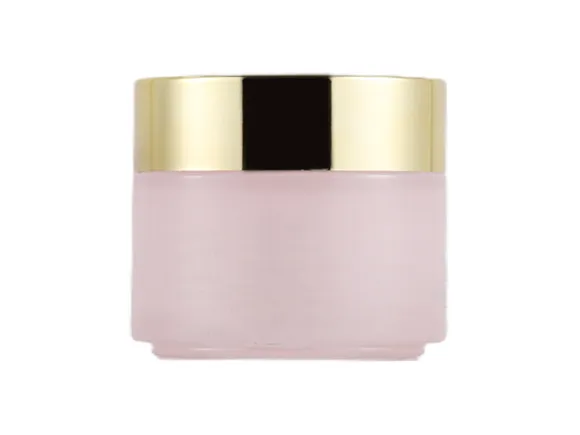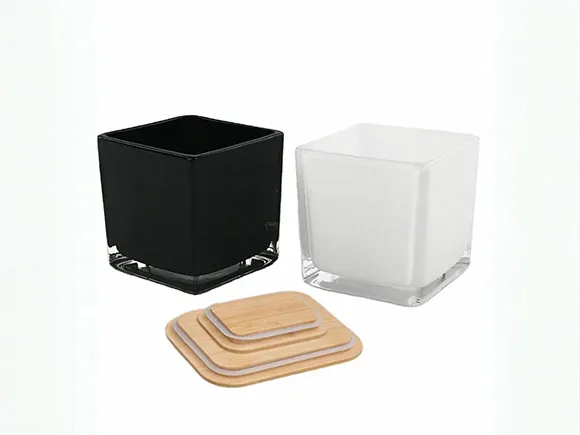


A cosmetic jar manufacturer is rarely one building that controls every jar, lid, liner, decoration and carton. PauPack draws the capability boundary first, then asks for evidence at each supplier and assembly handoff.
This boundary view helps skincare buyers distinguish a coordinated packaging program from a quotation that hides who owns quality, change control and repeat-order consistency.
Boundary 1: Who Owns the Jar Platform?
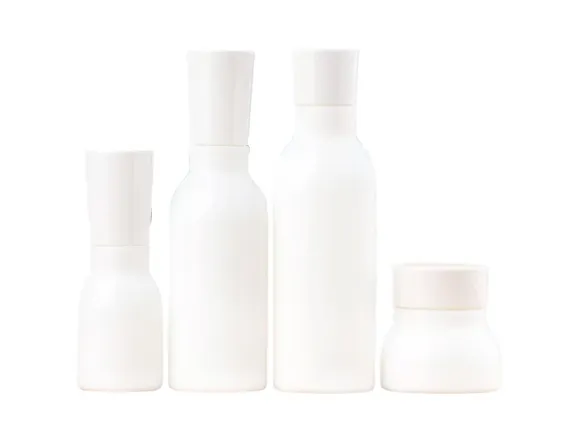
Request controlled drawings, capacity and weight ranges, neck details, component codes and identified samples. Ask whether the jar is stock, modified or custom, and who authorizes a production-source change.
PauPack's glass cream jar range provides platform references. Its manufacturing overview explains how development responsibilities change when custom tooling is introduced.
Boundary 2: Who Releases the Complete Closure System?
The cap, inner disk, liner and jar must be approved together. Record installed fit, application method, opening experience, residue and the product owner's formula-compatibility plan. A jar sample without its intended closure is incomplete evidence.
| Capability boundary | Evidence to request | Owner to name |
|---|---|---|
| Jar production | Drawing, sample code and variation range | Glass or container source |
| Closure assembly | Component bill and installed samples | Assembler or pack integrator |
| Decoration | Artwork, position and appearance range | Decoration supplier |
| Final release | Inspection record and retained pack | Named quality owner |
Boundary 3: Who Converts Artwork into a Production Standard?
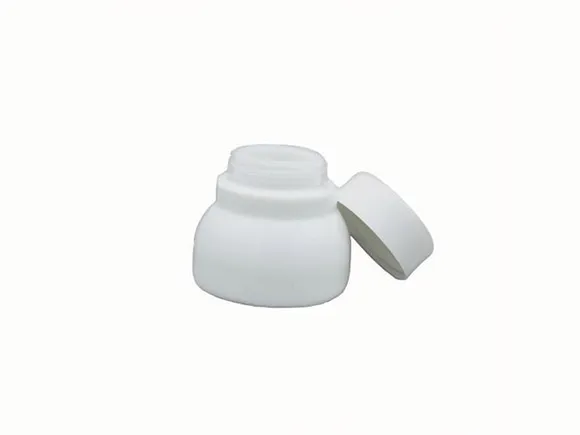
Define color, opacity, position, protected contact zones and the physical approval sample. PauPack's design service connects artwork files with the jar, closure and retail carton.
Boundary 4: Who Controls the Finished Pack?
Run filling, capping, labeling and cartoning trials, then transfer accepted measurements and appearance ranges into the purchase specification. PauPack's quality management and services support this handoff.
Before issuing the RFQ, compare adjacent formats in PauPack's product portfolio so the selected jar is justified against pumps, bottles and refill systems rather than evaluated in isolation.
A qualified cosmetic jar manufacturer discussion names the owner of every critical interface. The RFQ should separate jar, closure, decoration and cartons while connecting them to one approval file.
PauPack helps buyers evaluate a cosmetic jar manufacturer through evidence continuity rather than factory labels alone, keeping sourcing decisions usable through production and reorders.
Frequently Asked Questions
Does a manufacturer need to produce every component in-house?
No. What matters is transparent responsibility, approved sources and controlled interfaces across the complete packaging system.
Who should approve formula compatibility?
The product owner should define and approve formula-contact, storage and consumer-use testing.
Why request component codes?
Codes connect samples, drawings, inspection records and purchase orders while making substitutions visible.
When should a custom mold be considered?
Consider tooling after capacity, use, closure and brand requirements show that a controlled stock platform cannot meet the brief.