

Bottle closure compatibility cannot be decided by matching two catalog dimensions. In pharmaceutical and wellness packaging, the container, closure, liner or seal, product, process, storage and intended use form one system. PauPack runs the review like an evidence hearing: each interface presents what it controls, which risks remain and who is qualified to accept the result.
Opening Statement: Name the Intended Use
State dosage form or product type, route or consumer use, fill volume, product characteristics, process, storage, shelf-life objective, destination and distribution. This article is a packaging-development framework, not regulatory or validation advice. The customer's qualified pharmaceutical, quality and regulatory teams determine applicable requirements, methods and acceptance criteria.
Witness 1: The Container Finish
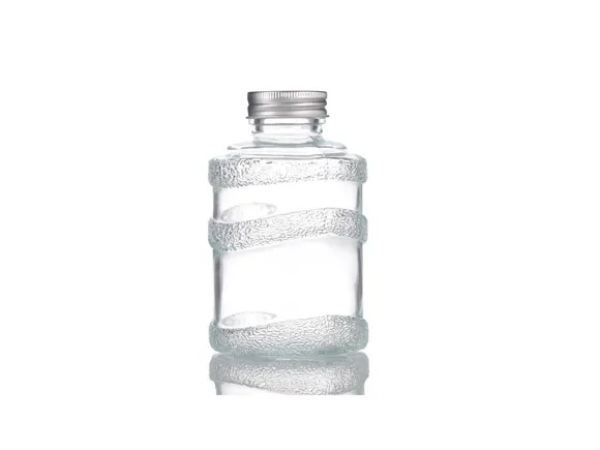
Identify material, capacity, finish drawing, sealing surface, thread or engagement geometry, tolerances and lot. Review visible damage and workmanship separately from dimensional or functional conditions. PauPack keeps the actual drawing revision with the sample so a result cannot migrate to a bottle that only looks similar.
Witness 2: The Closure and Its Hidden Parts
A closure may include shell, thread, liner, wad, seal, tamper-evident feature, child-resistant mechanism, dropper, plug or dosing accessory. Record every subcomponent and supplier code. Changes to an invisible liner can matter even when the cap color and exterior remain unchanged. PauPack requires component-level change notification.
Witness 3: The Product and Process
Formula or product characteristics, fill temperature, headspace, contact time, sterilization or other processing where applicable, closure application and storage can influence system performance. The product owner defines the relevant boundary. PauPack organizes supplier information and production-relevant samples without claiming that generic material declarations prove the finished system.
The Evidence Docket
| Evidence question | Typical owner | Controlled output |
|---|---|---|
| Are components correctly identified? | Packaging and supplier quality | Codes, drawings and lot records |
| Is the system suitable for intended use? | Qualified product, quality and regulatory teams | Approved study plan and conclusion |
| Can the process apply the closure consistently? | Operations and engineering | Qualified setup and inspection method |
| Does distribution preserve the packed product? | Logistics and quality | Selected study and packed reference |
Cross-Examination: Fit Is Not the Same as Suitability
A cap can thread onto a bottle and still leave unanswered questions about seal, product contact, application, opening, protection or storage. Separate fit screening, functional assessment, product compatibility and regulatory suitability. PauPack labels each sample round by purpose so an early fit check is not presented later as final bottle closure compatibility evidence.
Read FDA Guidance as a Principle, Not a Shortcut
The FDA's final Container Closure Systems for Packaging Human Drugs and Biologics guidance describes packaging suitability in relation to the specific drug product, dosage form and route, and says acceptance criteria should be based on actual data for particular components and systems. PauPack uses that principle to keep generic certificates in their proper place.
Witness 4: Closure Application
Define equipment, chuck or head where relevant, application speed, seating, torque or other process measure, inspection frequency and escalation. A qualified operations team determines the process window. PauPack connects the release instruction to the exact container and closure codes; undocumented line adjustments create evidence that cannot be repeated.

Witness 5: Opening and Reclosing
Intended users may need grip, clear tamper evidence, controlled dispensing, child resistance where applicable, senior-friendly access or repeat closure. These needs can conflict. Responsible teams define applicable human-factors and regulatory work. PauPack records observations from the complete labeled and filled presentation rather than from a loose cap in a sample bag.
Witness 6: Storage and Distribution
Orientation, temperature, humidity, vibration, pressure change and handling may be relevant depending on the product and route. Choose realistic conditions and qualified methods. PauPack retains case count, divider, cap protection and pallet assumptions with the result, because a packaging system can be affected by its secondary pack.
Objection: One Pass Does Not Cover Every Lot
Development evidence supports a defined specification and control strategy; it does not erase manufacturing variation. Incoming identity, supplier controls, inspection and lot release remain necessary. PauPack separates validation or qualification evidence owned by the customer from routine production checks and keeps both connected through component codes.
Objection: A Certificate Does Not Replace the Study
Material declarations, supplier certificates and standards references can support the file, but they answer limited questions. Confirm scope, revision, sample identity and intended use. PauPack avoids collecting generic PDFs that cannot be traced to the purchased component. Evidence quality matters more than document count.
Build the Sample Sequence by Question
Start with drawing and fit review. Move to process-relevant assembly, identified product-contact evaluation, use observations and packed-product work under the approved plan. Preserve controls and failures. PauPack asks what each round must decide, how many samples are needed and which change would invalidate the conclusion.
Calculate Commercial Risk by Interface
Compare container and closure minimums, liner or seal supply, tooling, testing, line trial, inspection, spare components, case design and residual inventory. A common cap can simplify a range, but only if the identified finishes and product systems are qualified. PauPack models commercial advantage after the technical boundary is visible.
Write the Verdict as a Controlled Release
The final record identifies approved container, closure and subcomponents; intended-use boundary; process; methods; evidence; limitations; inspection; packing and change triggers. It also names responsible approvers. PauPack's verdict never says “compatible” without showing what the word means for the specific project.
Reopen the Hearing When Something Changes
Review product, process, container, closure, liner, seal, supplier, equipment, storage, label, case or route changes. Determine which evidence remains applicable and what must be repeated. PauPack keeps a change matrix with the pharmacy and apothecary range and the project record.
Ask PauPack for an Evidence-Ready Shortlist
Send the intended use, product boundary, capacity, closure functions, process, quantity, destination and timeline. PauPack can shortlist components and organize bottle closure compatibility evidence through quality management, project services and the product catalog. Qualified customer owners retain the final suitability decision.
Keep Minority Opinions in the Record
If operations, quality and brand teams interpret a result differently, record the concern, evidence needed and decision owner. PauPack does not smooth disagreement into a vague approval. The open question may reveal a missing use condition, process limit or commercial assumption that should be resolved before launch.
Train Purchasing on the Approved Identity
Purchase orders should name the approved bottle, closure, liner or seal and required change notice. PauPack gives purchasing a concise component map so substitutions are escalated before delivery. This protects bottle closure compatibility conclusions from being undermined by a visually similar alternate that was never part of the evidence file.
Use an Interface Failure Tree
When leakage, loosening, difficult opening, damaged seals or inconsistent dosing appears, map the symptom to possible container, closure, liner, product, process, storage and user interfaces. Hold unrelated variables stable. PauPack uses the tree to keep bottle closure compatibility investigations focused and to assign the next test to a named owner.
Distinguish Development Limits From Routine Limits
A development study may explore a broad range, while production needs a narrower operating and inspection window. State how the approved production limits were derived and who can authorize an exception. PauPack keeps the exploratory evidence, final specification and routine release instruction linked but clearly labeled. This keeps bottle closure compatibility conclusions aligned with the conditions production can actually control.
Include the Secondary Pack in the Witness List
Carton compression, divider contact, cap protection, orientation and pallet handling can affect the closed system. The package and product should be reviewed together under the selected distribution plan. PauPack records the approved case with bottle closure compatibility evidence so later packing changes are not treated as neutral by default.
Set a Retained-Sample Calendar
Define which components and closed systems are retained, storage conditions, identification, access and review dates according to the customer's procedures. PauPack uses the calendar to support comparisons after complaints, supplier changes or long lead times. A retained sample without traceable identity adds little value.
Translate the Verdict for Customer Service
Customer service needs symptoms and evidence requests, not the entire technical dossier. Provide a short guide for photos, codes, product history, storage and returned units. PauPack routes this information back to the controlled file so bottle closure compatibility concerns can be investigated without premature promises or blame.
Frequently Asked Questions
Can matching thread dimensions prove compatibility?
No. They support fit screening but do not prove product, process, storage, use or regulatory suitability.
Which closure parts should be identified?
Identify the shell, liner, wad, seal, tamper feature, dosing part, dropper, plug or other functional subcomponents.
Who approves the final system?
The customer's qualified product, quality, operations and regulatory owners approve the intended-use system.
Why should application settings be recorded?
They connect the assembled result to a repeatable process and an inspection method.
Does a supplier certificate prove the finished package?
No. A certificate has a defined scope and must be connected to component identity and project-specific evidence.
Should opening behavior be reviewed?
Yes. Grip, tamper evidence, dosing, reclosing and accessibility can be important intended-use requirements.
What belongs in a change matrix?
Include product, process, container, closure, liner, supplier, equipment, storage, packing and distribution changes.
Why preserve failed samples?
They support controlled comparison and help prevent a symptom from being mistaken for a root cause.
What should purchasing put on the order?
Use approved component codes, revisions, subcomponent identity and change-notification requirements.
What should a buyer send PauPack?
Send intended use, product boundary, capacity, closure functions, process, quantity, destination and timing.