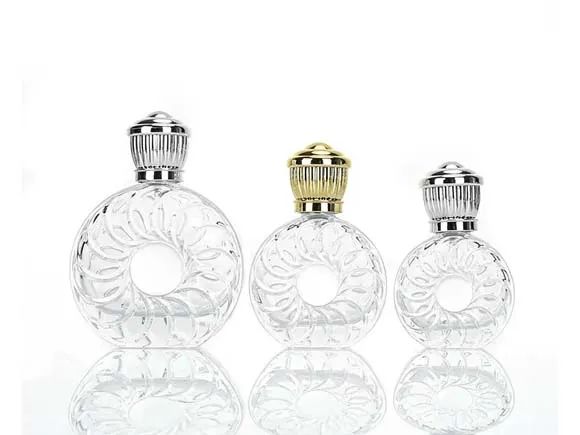


An atomizer spray test is useful only when the bottle, pump, formula or test liquid, priming condition and observation method are identified. PauPack treats the spray as a recorded sequence rather than a dramatic mist photograph. The aim is to understand how the complete perfume assembly behaves, what variation matters and which result can be transferred into production.
Lab Note 00: Write the Question Before Collecting Samples
Decide whether the trial examines first prime, delivered dose, plume shape, direction, leakage, actuator feel, cap fit or consistency over use. One trial can record several observations, but each needs a method and owner. PauPack names the decision the evidence will support: component shortlist, decoration sample, filler setup or production release.

How to Run an Atomizer Spray Test
The sequence below is a development framework, not a universal specification. The brand, filler and qualified technical owners should define sample quantities, conditioning, measurement tools, acceptance criteria and safety controls for the actual formula and market. PauPack keeps the method beside the result so a future team knows exactly what a pass meant.
Step 1: Identify Every Sample
Record bottle code and lot, pump and actuator code, ferrule or screw closure, gasket, dip tube, decoration, cap, liquid, fill level and assembly route. Mark the sample before testing. An unlabeled unit cannot support root-cause work, even if its spray looks excellent.
Step 2: Inspect Before Priming
Check the finish, pump seating, actuator position, dip-tube condition, visible contamination, damage and cap clearance. Photograph relevant conditions. PauPack separates pre-existing observations from test outcomes so a damaged part is not blamed on actuation.
Step 3: Condition Samples Under the Approved Plan
Temperature, storage orientation and elapsed time may affect product and component behavior. The responsible team selects realistic conditions and records them. Keep comparison groups together, and avoid inventing a harsh condition that has no connection to intended use.
Step 4: Prime Consistently
Define actuation rate, orientation, number of strokes and the point at which the pump is considered primed. Record dry strokes, irregular output or visible leakage rather than discarding them. PauPack treats first prime as part of the consumer experience.
Step 5: Observe Spray Under One Setup
Use the same target distance, background, light, actuation direction and recording method. Note direction, gross plume shape, visible droplets, interruption and actuator return. Advanced droplet measurement requires appropriate equipment and expertise; a phone photograph alone should not be described as laboratory particle analysis.
Step 6: Measure Only What the Method Can Support
Delivered mass, repeatability or other quantitative measures require controlled equipment, calibration and a defined calculation. ASTM's packaging standards catalog shows that dispenser terminology and test methods are specialized and that some older methods have been withdrawn. PauPack verifies current applicability instead of copying a legacy method name into a report.
Step 7: Challenge the Complete Saleable Unit
Review cap removal, actuator access, collar fit, decoration contact and leakage under the approved use and handling plan. A pump that sprays in isolation can still fail when its cap rubs the actuator or when the filled decorated bottle is handled and packed.
Step 8: Preserve Passed and Failed Evidence
Label units, retain photographs and quarantine failures before opening or reworking them. Compare like-for-like samples. PauPack records the suspected interface and the next controlled test rather than declaring a root cause from one symptom.
The Observation Sheet
| Stage | Record | Decision supported |
|---|---|---|
| Before prime | Identity, seating, damage and condition | Sample validity |
| Prime | Stroke count, irregular output and leakage | User-start behavior |
| Spray | Direction, visible pattern and repeatability | Pump shortlist |
| Complete pack | Cap, collar, finish and packed handling | Commercial release |
Do Not Let One Beautiful Frame Become the Result
A spray photograph is a moment. Review a defined series across identified samples and operators where relevant. Separate obvious visual inconsistency from quantified performance. PauPack documents sample order and any adjustment, because choosing only the best frame hides the variation a buyer needs to understand.
Connect the Liquid to the Pump Decision
Viscosity, surface behavior, volatile composition and fill conditions may influence dispensing. The formula owner defines what can be disclosed and which representative liquid is appropriate. PauPack avoids transferring a result from water to a commercial fragrance without an explicit technical rationale and qualified approval.
Separate Pump Variation From Assembly Variation
If output shifts, hold variables stable and decide what the next round investigates: pump lot, actuator, dip tube, seating, crimp or screw application, liquid, fill level or operator method. An atomizer spray test becomes useful troubleshooting evidence only when the team changes one interpretable condition at a time.
Add the Cap and Decoration Before Final Approval
Check whether the cap presses or catches the actuator, whether the collar hides alignment variation and whether equipment or gloves mark decorated surfaces. PauPack's design support maps artwork and finishes to handling zones. Production-relevant samples reveal conflicts that clear development bottles cannot show.
Plan Samples and Time for Learning
Allocate units for setup, repeats, comparison conditions, failures, destructive review and retained references. Include pump assembly, filling, conditioning and report time in the schedule. PauPack shows these needs before the sample order; running out of matched pumps halfway through the trial makes comparisons weaker and delays decisions.
Link Spray Evidence to Distribution Evidence
Spray behavior and packed-product protection answer different questions. ISTA's test procedure overview emphasizes matching the procedure to the distribution objective and evaluating package and product together. Qualified owners should choose the relevant program. PauPack keeps spray results and packed results connected but does not pretend one replaces the other.
Turn the Atomizer Spray Test Into a Release Window
A release record should identify the approved bottle, pump, actuator, closure route, liquid boundary, assembly method, observation method and escalation rule. It should also state what the trial did not prove. PauPack links the perfume bottle portfolio and quality process to this controlled window.
Retest When an Interface Changes
A new pump supplier, actuator, dip tube, gasket, bottle finish, formula, fill level, decoration or assembly route can affect the outcome. The International Safe Transit Association also notes that changes to product, package or process can trigger packaged-product retesting. PauPack uses a change matrix to decide which observations must be repeated and which evidence remains valid.
Send PauPack the Test Question, Not Just the Bottle
Share the assembly codes, formula boundary, fill, desired user experience, quantities and unresolved concern. PauPack can then plan an atomizer spray test that supports a real decision and feeds a controlled purchase specification. The result is easier for suppliers, fillers and brand teams to reproduce.
Use an Operator Crossover to Find Method Drift
When appropriate, have trained operators repeat the same defined sequence on matched samples and compare the records. A difference may point to actuation technique, sample handling or unclear instructions rather than component performance. PauPack uses the crossover to improve the method before an atomizer spray test becomes a production check.
Score Repeatability Separately From Preference
One reviewer may prefer a broader or softer plume, but preference and repeatability answer different questions. Record the target user experience in one field and the consistency of the defined observation in another. PauPack prevents aesthetic language from hiding unstable behavior, while also avoiding a false claim that a repeatable spray is automatically right for the brand.
Create a Supplier Feedback Packet
Send the supplier identified samples, controlled photographs, method, results and the specific interface to investigate. Avoid forwarding a cropped image with no sample history. PauPack turns the atomizer spray test into an actionable packet that lets the pump maker, bottle supplier and filler respond to the same evidence.
Transfer the Method to the Filling Site
Before launch, compare laboratory and production equipment, liquid, fill, assembly and operator conditions. Decide which observations transfer and which require confirmation on the intended line. PauPack records the first production atomizer spray test against the approved method and closes any difference before routine release.
Frequently Asked Questions
What should be identified before spray testing?
Identify the bottle, pump, actuator, closure, gasket, dip tube, liquid, fill, lot, assembly route and sample purpose.
Is one spray photograph enough?
No. Review a defined series under one method and keep the sample sequence visible.
Why should priming be recorded?
Dry strokes, irregular output and time to prime are part of initial consumer use and can reveal assembly variation.
Can water always replace the fragrance?
No. Any substitute liquid needs a qualified rationale and clear limits on what its result represents.
Should cap fit be part of the trial?
Yes. The cap can contact the actuator, affect access or mark the finished package.
How should spray direction be compared?
Use consistent orientation, target distance, background, light, actuation method and recording conditions.
What should happen to failed samples?
Identify, quarantine, photograph and compare them before destructive opening or rework.
When should the test be repeated?
Review changes to the pump, actuator, dip tube, bottle, liquid, fill, decoration, assembly or process.
What belongs in the release record?
Include approved component codes, method, conditions, results, limitations, escalation rules and retained evidence.
Who sets the acceptance criteria?
The brand, filler and qualified technical owners should agree the criteria for the intended product and market.