

Amber vs cobalt blue essential oil bottles is not a contest that one glass color wins for every formula. PauPack uses a four-column comparison matrix so protection requirements, visual identity, component fit and production variation are evaluated as separate decisions.
Column A: Product Requirements Come Before Color Preference
Record formula owner, sensitivity concerns, fill, storage, shelf presentation and intended market. The product owner should define and verify protection needs using qualified evidence. Neither a catalog color name nor a dark appearance proves performance for a particular formula.
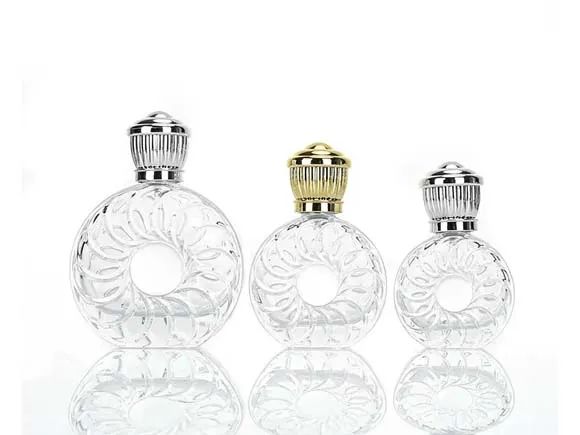
Column B: Compare Physical Color Ranges, Not Screen Swatches
Request production-style samples from the intended glass source and define acceptable light, target and dark references under agreed lighting. Review empty and filled appearance. PauPack's essential oil bottle range lets buyers compare formats without assuming that color names are universal specifications.
Column C: Hold the Closure System Constant
Use the same identified dropper, reducer, roller or cap when color is the variable under review. Confirm neck finish, installed fit, pipette or insert dimensions and closure operation. PauPack's quality management framework helps separate glass-color observations from component changes.
Column D: Branding Must Survive the Chosen Background
A useful amber vs cobalt blue essential oil bottles review includes label opacity, ink or foil color, readable contrast, code zones and carton presentation. PauPack's design service coordinates artwork with the real glass and filled-product background.
| Decision | Evidence | Keep constant |
|---|---|---|
| Protection | Product-owner requirements and verification | Formula and test method |
| Appearance | Physical color range | Lighting and fill |
| Use | Installed closure trial | Component codes |
| Brand | Decorated packed sample | Artwork version |
The Decision Record: Keep Both the Choice and the Rejection
Retain samples of the selected route and document why the alternative was not released. Link color, bottle source, closure, formula, decoration and carton to one version record. This prevents a later cost or availability change from silently replacing a tested package.
PauPack's product catalog, services and custom oil bottle guide support controlled comparison. PauPack resolves amber vs cobalt blue essential oil bottles through evidence tied to the actual product, not a universal ranking.
Frequently Asked Questions
Is darker glass always more protective?
Do not infer protection from appearance alone; define the formula's needs and verify the identified package with qualified evidence.
Can digital color samples approve glass?
No. Use physical production-style samples under defined lighting, background, fill and viewing conditions.
Should different closures be used in the color comparison?
Hold component identity constant when glass color is the variable, then test any closure change separately.
What should the decision record contain?
Include requirements, bottle and color identity, closure codes, filled observations, artwork, packed sample and change triggers.