

Understanding Sustainable Packaging
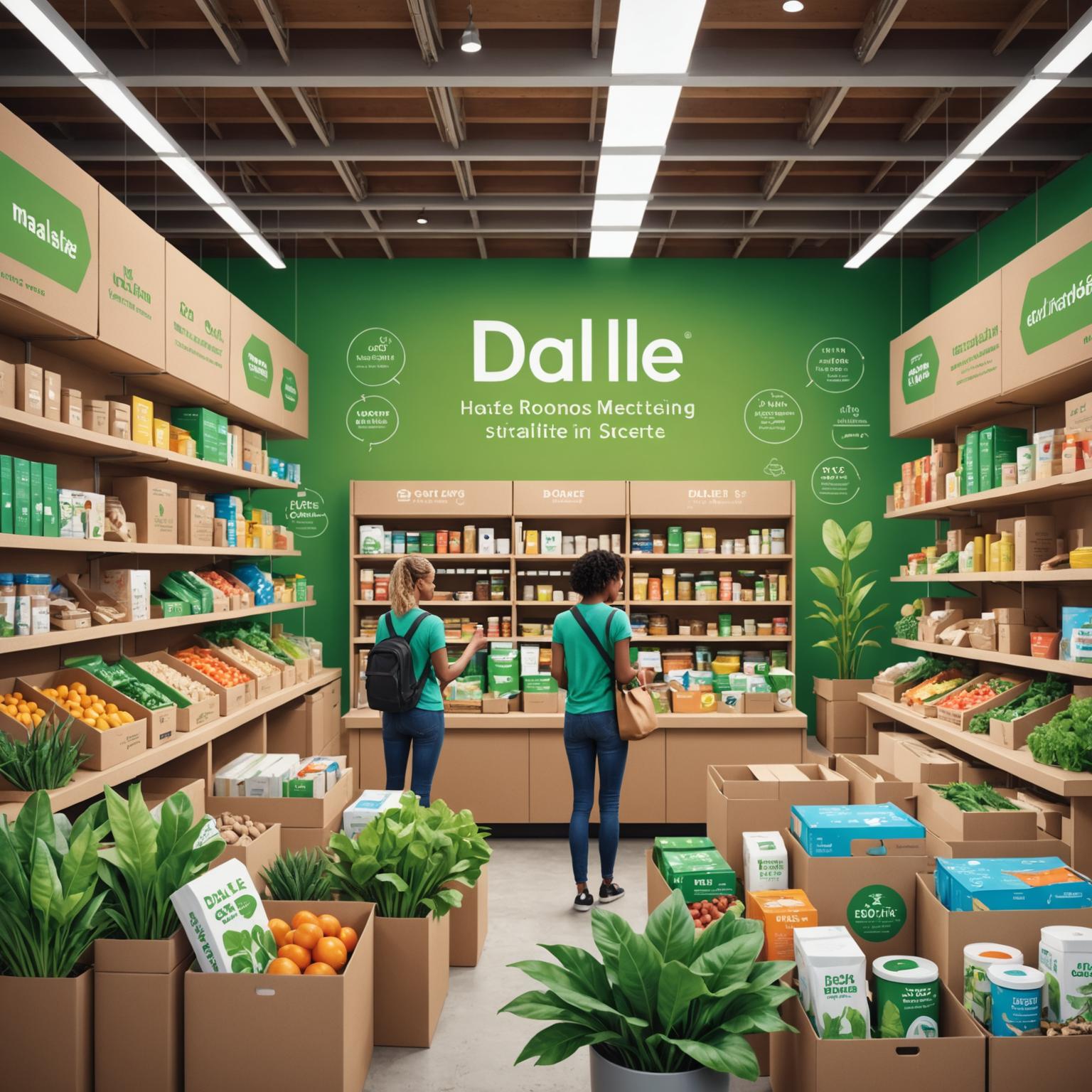
Sustainable packaging is revolutionizing the way businesses and consumers interact with products, placing a strong emphasis on environmental responsibility. This packaging method involves the use of materials and manufacturing techniques that reduce environmental impact and ecological footprint. With the growing awareness of climate change and pollution, sustainable packaging has become a critical solution to modern environmental challenges, addressing the increasing need for eco-friendly packaging alternatives.
Gone are the days when businesses relied heavily on non-recyclable materials such as plastics that contributed massively to waste. Now, individuals and industries alike are turning to packaging solutions that prioritize renewability and recyclability. By doing so, they align with global packaging industry trends that emphasize sustainability, contributing towards a greener and healthier planet for future generations.
Why Sustainable Packaging Matters
The importance of sustainable packaging cannot be overstated. With landfills overflowing and ecosystems endangered by toxic packaging waste, there is an urgent call for change. Sustainable packaging offers an innovative response by minimizing waste and conserving raw materials. Consumers are now actively seeking products encased in eco-friendly packaging, making it a top priority for businesses aiming to thrive in an environmentally-conscious market.
Aside from environmental benefits, adopting sustainable packaging also helps businesses enhance their brand image. Companies that demonstrate a commitment to green initiatives attract environmentally-conscious consumers while building trust and loyalty. Beyond the direct benefits to companies and consumers, sustainable packaging also advances global efforts to combat pollution and conserve resources, effectively addressing some of the most pressing issues of our time.
Types of Sustainable Packaging Materials
It's essential to explore the different materials available for sustainable packaging. Some of the most popular options include:
1. **Biodegradable plastics:** Derived from natural sources like cornstarch, these materials break down more quickly without releasing harmful toxins.
2. **Recycled paper and cardboard:** These materials are excellent for reducing waste and promoting a circular economy, as they can be reused multiple times.
3. **Glass and aluminum:** Both materials are infinitely recyclable, making them long-lasting and eco-friendly alternatives to single-use plastics.
4. **Mushroom packaging:** An innovative material grown from agricultural waste and mycelium, mushroom packaging is compostable and highly durable, making it perfect for various applications.
5. **Plant-based compostable materials:** Made from sugarcane, bamboo, or other renewable resources, these materials offer excellent alternatives to traditional packaging.
Steps to Incorporate Sustainable Packaging
Implementing sustainable packaging requires thoughtful planning and strategic execution. Here are steps businesses can take to ensure a successful transition:
**Step 1: Evaluate current packaging materials**
Begin by auditing your existing packaging solutions to identify areas where you can reduce waste. Review the environmental impact of your materials and assess whether they are biodegradable, recyclable, or reusable.
**Step 2: Research sustainable alternatives**
Investigate eco-friendly packaging materials and identify which ones align with your brand’s needs and budget. Consider partnering with suppliers who specialize in biodegradable or renewable resources.
**Step 3: Redesign your packaging**
Work on creating new packaging designs that minimize material usage while maintaining durability and functionality. This might mean eliminating excessive layers of packaging or introducing innovative designs that serve dual purposes.
**Step 4: Educate your team and consumers**
Inform your staff and customers about the transition to sustainable packaging. Highlight the benefits of your new packaging solutions and how they contribute to a healthier planet. This will increase awareness and improve adoption rates.
**Step 5: Evaluate and adjust**
Continuously monitor the effectiveness of your sustainable packaging efforts and look for ways to improve further. Stay updated on packaging industry trends to incorporate emerging innovations that could enhance your commitment to sustainability.
The Role of Packaging Industry Trends
The packaging industry is evolving rapidly, driven by increasing environmental awareness and advances in technology. Current trends include adopting minimalistic designs to reduce waste, using smart packaging technology to monitor product freshness, and integrating renewable energy sources in packaging production processes. Companies that keep pace with these trends are better positioned to satisfy consumer demands while contributing to a sustainable future.
Another significant industry trend involves collaborations between businesses, governments, and non-profits to establish global standards for sustainable packaging. These initiatives aim to reduce waste on a larger scale by increasing recycling rates, developing composting infrastructure, and funding research on eco-friendly alternatives. Businesses that invest in such collaborations not only contribute to a shared goal of sustainability but also benefit from shared knowledge and resources.
The Future of Sustainable Packaging
As we look ahead, the journey toward sustainable packaging is expected to gain even more traction. Advancements in material science and biotechnology will likely introduce new eco-friendly packaging solutions that are cost-effective and highly functional. Innovations such as edible packaging, microbe-resistant coatings, and even self-healing materials could transform the way products are packaged and delivered.
Governments worldwide are also becoming increasingly involved in promoting sustainable practices within the packaging industry. Many are implementing stricter regulations and offering incentives for businesses to adopt greener solutions. As a result, we can anticipate a significant shift towards sustainability becoming the standard rather than the exception.
In conclusion, sustainable packaging represents a vital opportunity to drive positive environmental change while meeting consumer demands for eco-friendly solutions. By embracing packaging industry trends and focusing on renewable, recyclable materials, businesses can position themselves as leaders in sustainability, securing their place in an increasingly green future.