

Request Quote
logo
Contact Us

Table of Contents

Every PCR Bottle Has a Material Biography | PauPack

  • Plastic Bottles Solutions
Posted by PauPack OnAug 10 2026

A PCR bottle manufacturer should be able to tell the material biography of every approved package. PauPack follows recycled content from feedstock definition through resin, molding, color, decoration, testing and repeat orders so sustainability language stays connected to production evidence.

Chapter 1: Define What the Recycled-Content Claim Means

Record the requested recycled-content percentage, calculation basis, component scope, resin family, product-contact assumptions and target market. Claims and documentation requirements vary by market and use, so brand owners should obtain qualified advice. PauPack's sustainability program provides material pathways without replacing claim substantiation.
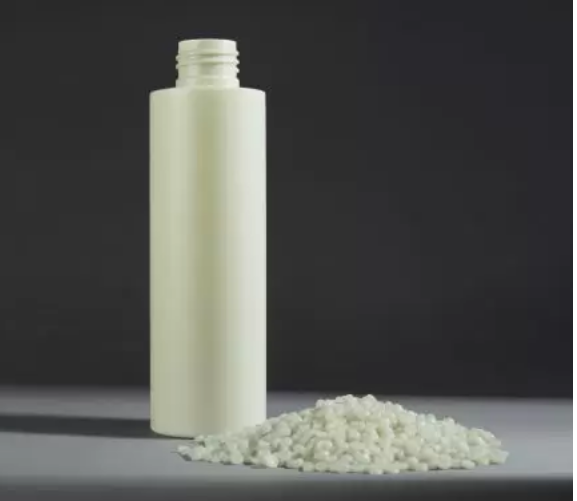
PCR bottle manufacturer recycled resin identity brief
Define recycled-content scope, resin family, application and claim boundary before sampling.

Chapter 2: Link Resin Lots to Molding Conditions

Document resin supplier, grade, certificates or declarations, blend instructions and lot traceability. Recycled feedstocks can introduce visual or processing variation, so the approved range should be deliberate. Mold, machine, drying, colorant and processing records help explain why two acceptable lots may not look identical.

Build the trace record before a complaint or audit occurs. Each retained bottle should point back to resin and colorant lots, molding date, cavity or tool reference, inspection results and the finished component lot supplied to the brand.

Chapter 3: Approve Color and Appearance as a Range

Set references for color, opacity, specks, gloss, panel appearance and molded details under defined lighting. A digital color chip cannot represent every recycled-resin variation. PauPack's design service helps brands coordinate color, labels and printing with an achievable production range.
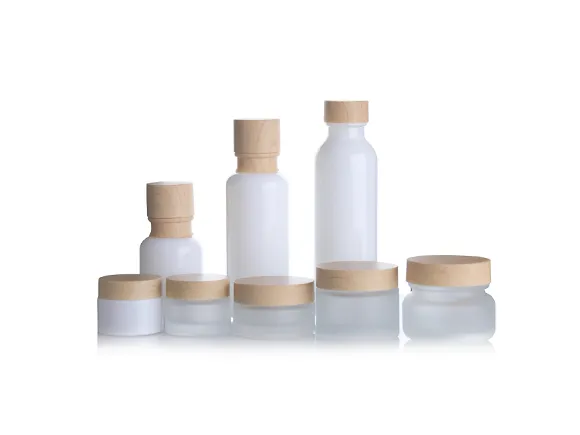
PauPack PCR bottle color and molding range
Approve physical appearance limits on production-style molded bottles.

Chapter 4: Verify the Complete Package for Its Intended Use

A qualified PCR bottle manufacturer should identify bottle, closure, liner, pump or sprayer, decoration and assembly method. Product owners remain responsible for compatibility and performance requirements. PauPack's quality management framework connects component identity with inspection and filled-use evidence.

Chapter 5: Carry the Biography into Reorders

Retain approved bottles and packed samples with resin identity, drawings, process references, inspection criteria and change triggers. Reassess source, blend, recycled percentage, colorant, mold, closure or decoration changes when they can affect the approved system.
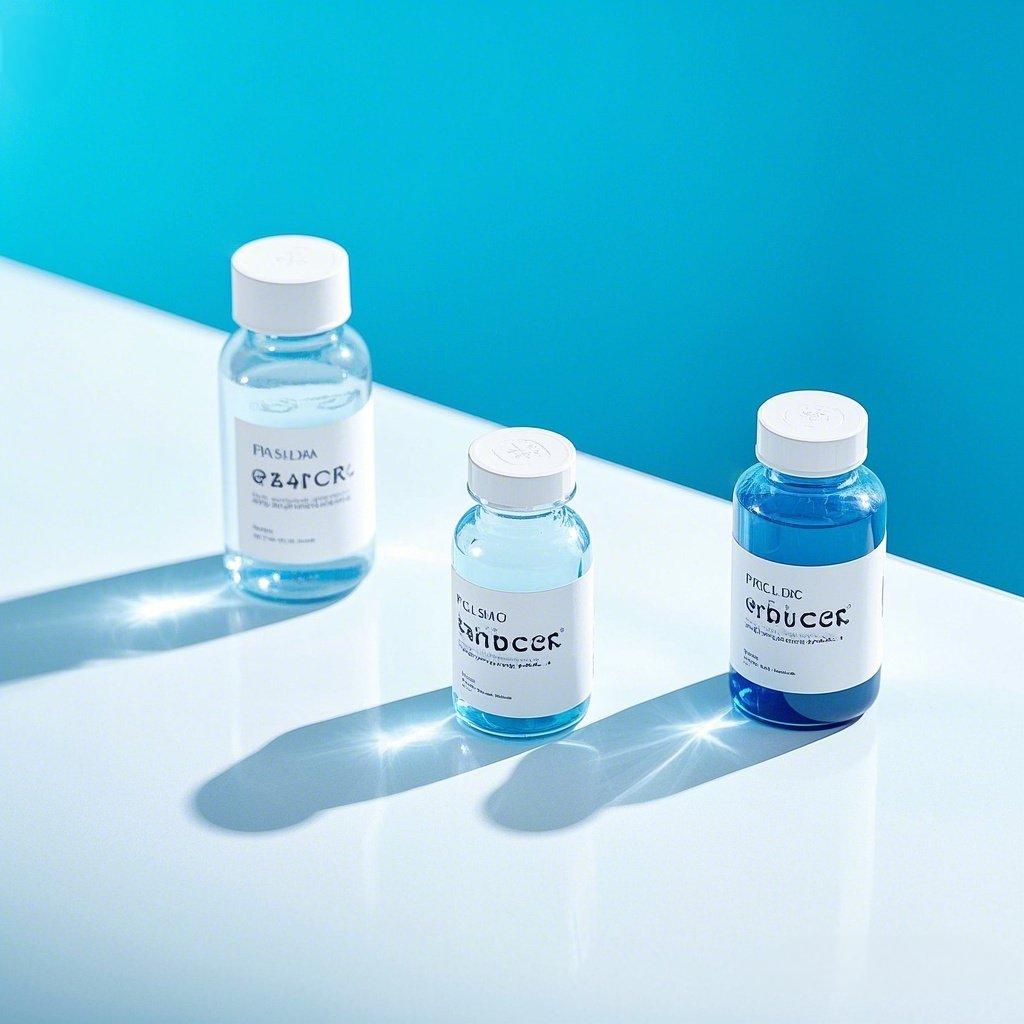
PCR bottle retained sample and material record
Keep material evidence and the accepted complete pack under one version record.

PauPack's product portfolio, services and material decision map support documented tradeoffs. PauPack expects a PCR bottle manufacturer to make every material and process chapter traceable.

Frequently Asked Questions

Does PCR always look identical to virgin resin?

No. Define and approve a realistic physical range for the selected resin, color and molding process.

Who approves recycled-content claims?

The brand owner should obtain qualified market-specific advice and retain appropriate supporting evidence.

Can the bottle be approved without its closure?

No. Verify the identified bottle, closure, product and assembly as a complete system.

What changes should trigger review?

Review resin source, grade, recycled percentage, blend, colorant, process, component or decoration changes when relevant.
Featured Blogs
Every PCR Bottle Has a Material Biography | PauPack

Every PCR Bottle Has a Material Biography | PauPack

PauPack follows recycled resin from claim definition through molding and repeat orders so every bottle has a traceable material biography.

Glass vs PCR Skincare Packaging Sample Checks for Beauty Brands

Glass vs PCR Skincare Packaging Sample Checks for Beauty Brands

A practical sample-check guide for beauty brands comparing glass skincare containers, PCR plastic bottles, airless pumps, decoration, cartons, and sustainability claims.

Choosing between PCR bottle suppliers, sugarcane plastic factories, and wood composites

Choosing between PCR bottle suppliers, sugarcane plastic factories, and wood composites

This guide details three cost-effective options—partnering with a PCR bottle supplier for branded eco-friendly packaging, sourcing from a sugarcane-derived plastic bottle factory, and partnering with a wood composite bottle wholesaler (brand)—to help you comply with U.S. sustainability standards (such as BPI, FDA, and USDA BioPreferred) and stand out in a competitive market.

 PCR Bottle Manufacturer, PLA Sugarcane Blend Wholesaler, & Sugarcane Plastic Factory Boosts Brand

PCR Bottle Manufacturer, PLA Sugarcane Blend Wholesaler, & Sugarcane Plastic Factory Boosts Brand

In an era where 73% of American consumers prioritize sustainable brands (Nielsen 2024), choosing eco-friendly packaging isn’t just a trend—it’s a business imperative. This blog breaks down how collaborating with a specialized PCR bottle manufacturer for brand sustainability, a trusted PLA sugarcane blend bottle wholesaler, and a reliable sugarcane plastic packaging bottle factory can elevate your brand’s green credentials, reduce carbon footprints, and capture the $150B U.S. sustainable packaging market. We’ll share actionable insights on selecting partners, optimizing costs, and aligning packaging choices with consumer expectations to drive long-term growth.

  Sustainable Bottle Suppliers: Wooden Wholesalers, Sugarcane Large Suppliers & PCR Wholesalers

Sustainable Bottle Suppliers: Wooden Wholesalers, Sugarcane Large Suppliers & PCR Wholesalers

With 78% of U.S. consumers willing to pay 15% more for products in sustainable packaging (Nielsen 2024), partnering with the right eco-bottle supplier is no longer optional—it’s a growth driver. This article breaks down three high-impact partners for U.S. brands: Wooden sustainable packaging bottle wholesalers, Sugarcane-based plastic bottle large suppliers, and PCR sustainable bottle wholesalers (brands). You’ll learn their unique benefits, how to vet them for U.S. market compliance, and actionable steps to leverage these partnerships for Google’s top 10 rankings. Whether you’re a small batch skincare brand or a national beverage company, this guide turns sustainable packaging into a competitive edge.

Wood-Based Manufacturers, Sugarcane Factories & PLA Traders –  Top-Tier Sustainable Packaging

Wood-Based Manufacturers, Sugarcane Factories & PLA Traders – Top-Tier Sustainable Packaging

As 73% of U.S. consumers now prioritize brands with proven sustainability (Nielsen 2024), choosing the right eco-bottle partner has become critical for brand trust and compliance. This guide breaks down three high-impact options—wood-based eco-packaging bottle manufacturers for brands, sugarcane-derived bottle factories (brand sustainable), and PLA wooden packaging eco-bottle large traders—explaining their unique value, how to select them, and why they’re essential for ranking in Google’s U.S. top 10 for sustainable packaging searches. Whether you’re a food & beverage startup or a Fortune 500 beauty brand, you’ll learn to turn eco-packaging into a competitive asset.

Home

Product

Services

Contact

Inquiry

WhatsApp