

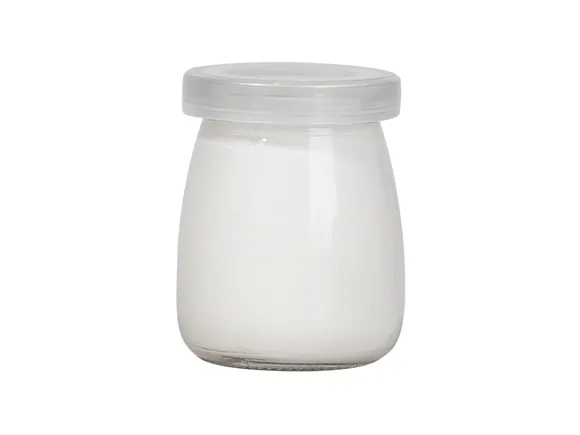
Yogurt jar sourcing connects a product process to a cold-chain pack. The jar must move through filling, closure application, cooling or storage, labeling, case packing and consumer opening without losing specification control.
Use this interface map when evaluating a glass yogurt jars manufacturer.
Interface 1: Product Process to Glass
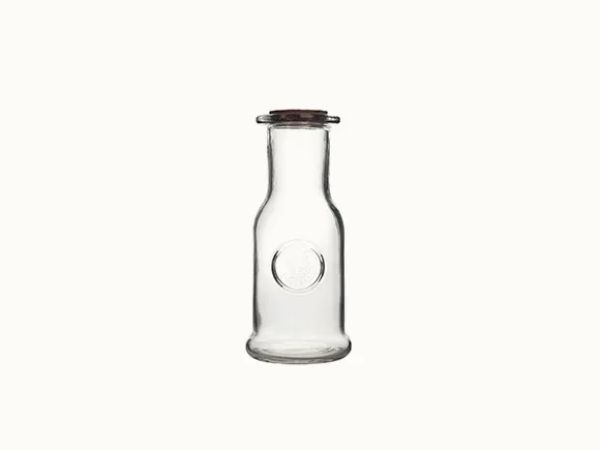
The product owner should define fill temperature, process conditions, fill volume, headspace and food-contact requirements. Share those requirements before selecting a stock jar or developing a custom format.
PauPack's glass yogurt jar range provides format starting points.
Interface 2: Jar Footprint to Filling Line
Check base stability, conveyor handling, nozzle clearance, fill-level visibility and coding space on the intended equipment. Production-style line trials are more useful than desk measurements alone.
Interface 3: Rim to Closure
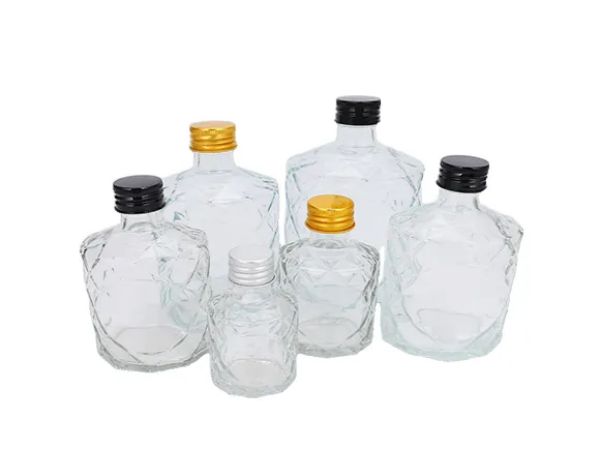
Match the jar finish with the intended lid, seal, foil, cap or overcap and application method. Test opening, reclosure where relevant and the complete process defined by the food brand.
Interface 4: Surface to Label
Apply final-size labels or decoration to filled samples. Confirm panel width, seam position, condensation exposure, coding area and case-pack contact under the brand's chosen conditions.
| Interface | Approval evidence |
|---|---|
| Product and glass | Process brief and jar drawing |
| Line and footprint | Trial record and fill presentation |
| Rim and closure | Installed closure sample |
| Surface and label | Filled decorated reference |
| Jar and case | Approved distribution pack |
Interface 5: Filled Jar to Cold Chain
Observe the package through the intended cooling, storage and handling sequence. The food producer should define acceptance criteria for the filled product and closure system.
Interface 6: Jar to Case Pack
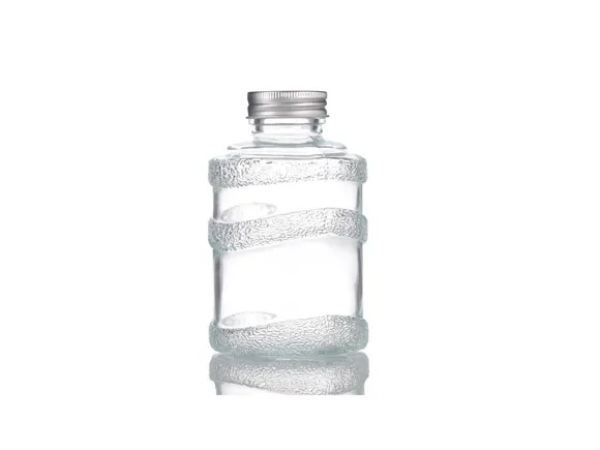
Check dividers, glass contact, lid clearance, label abrasion, case strength and pallet pattern. The beverage bottle sample testing guide provides a related evidence framework.
Interface 7: Production to Reorder
Retain approved jar, closure, label and packed references with component codes and acceptable appearance limits. Compare reorders against the complete system, not an isolated empty jar.
PauPack's food and beverage packaging, quality management, services and design service support specification development.
Send a Complete Manufacturing Brief
Provide process requirements, capacity, dimensions, closure, label, quantity, filling line, case pack, pallet needs and destination.
A reliable glass yogurt jars manufacturer coordinates these interfaces without making product-process assumptions. Select a glass yogurt jars manufacturer that can preserve approved glass, closure, decoration and packing references for reorders.
Frequently Asked Questions
Should yogurt jars be tested on the filling line?
Yes. Production-style trials help confirm stability, nozzle clearance, filling presentation, coding and handling.
Who defines food-process requirements?
The food brand or producer should define product, filling, storage and regulatory requirements for the intended market.
Can one lid fit several yogurt jar sizes?
Possibly, when the finish, application method, installed fit and process requirements are approved for each jar.
What should be retained for reorders?
Keep approved jar, closure, label, filled sample, case pack and component identification records.