

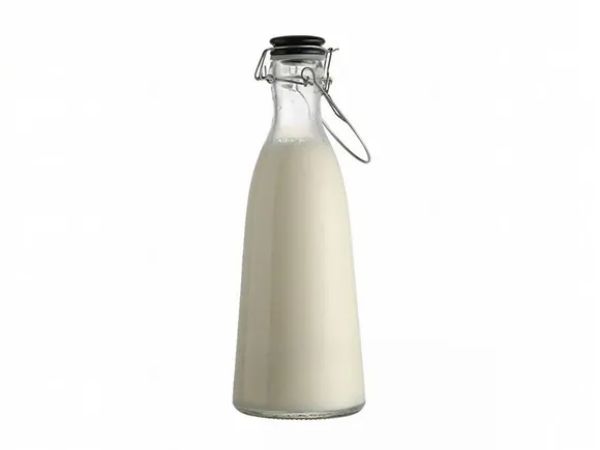
Glass milk bottles wholesale programs should begin with the cold chain, not a catalog photograph. PauPack maps the package through six temperature and handling zones so buyers can connect glass, closure, label and case decisions to the real dairy route.
Zone A: The Product Leaves the Filler
Define the milk product, treatment, target fill, filling temperature, headspace, line speed and closure application. Product owners and qualified process specialists should approve the use conditions. PauPack uses that brief to screen formats in its glass milk bottle range.
Zone B: Closure Application Creates the First Test
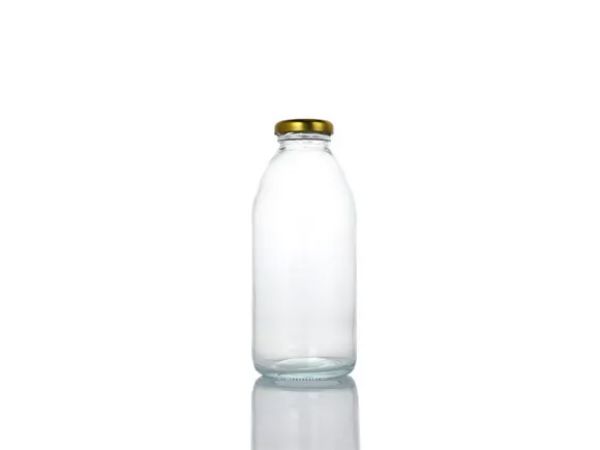
A cap is part of the package system, not a detached accessory. Identify neck finish, cap material, liner or sealing feature, application settings and tamper-evidence assumptions. Trial the exact bottle-cap combination after filling, then review torque or application controls appropriate to the chosen system.
PauPack's quality management framework helps organize component identity, incoming checks and finished-pack inspection without implying that one generic test fits every dairy process.
Zone C: Cooling and Condensation Reach the Label
Labels, inks and coding should be reviewed under the expected surface temperature and moisture conditions. Record label stock, adhesive, application position, date-code area and visible acceptance range. A flat artwork approval does not demonstrate application on a cold or damp production bottle.
Zone D: Cases Carry the Load
For quotable glass milk bottles wholesale orders, specify divider design, case quantity, bottle orientation, closure clearance, pallet pattern and distribution route. Confirm the finished decorated bottle fits the pack rather than approving the case around nominal bottle dimensions.
Zone E: Retail Handling Changes the Evidence
Review shelf loading, repeated door movement, consumer grip and returnable or single-use assumptions where relevant. PauPack's food and beverage portfolio and design support help align label panel, handling and brand presentation.
Zone F: Reorders Must Repeat the Same Route
Use PauPack's services and packaging portfolio to document approved components, samples and pack-out. PauPack evaluates glass milk bottles wholesale as a complete cold-chain system, not only a bottle purchase.
Frequently Asked Questions
Can one cap be assumed to fit every milk bottle?
No. Approve the identified cap, liner, neck finish and application method as one system.
When should label adhesion be tested?
Test after representative filling and cooling conditions, including expected condensation and handling.
What information belongs in the case specification?
Include dividers, quantity, orientation, closure clearance, board details, pallet assumptions and accepted packed samples.
Who approves dairy process compatibility?
The product owner and qualified process specialists should define and approve product-specific filling, storage and market requirements.