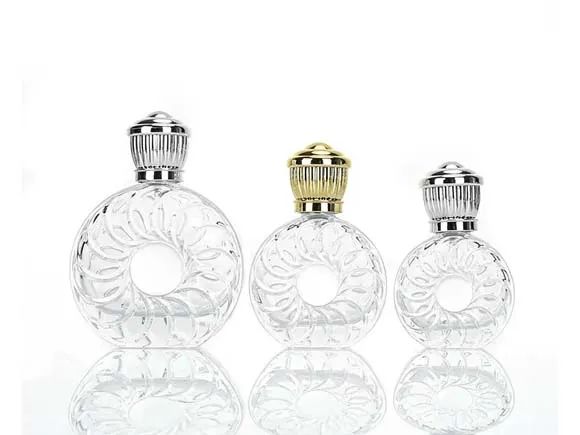


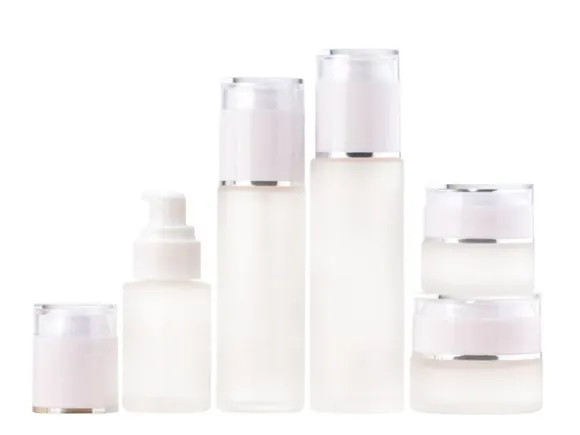
Glass bottle decoration methods are easier to compare by asking what fails first. PauPack organizes the choice around five visible failure modes, then links each one to approval evidence rather than ranking techniques by appearance alone.
Failure Mode: The Color Drifts Across Lots
Coating, spraying and some printed areas need an agreed color reference, lighting condition, opacity target and acceptable range. A screen preview is not a production tolerance. PauPack recommends approving physical samples on the selected glass because base color and surface condition affect the final appearance.
Record the viewing distance, background, lighting and sample orientation used for approval. These simple controls make visual decisions easier to repeat across teams, factories and later purchase orders.
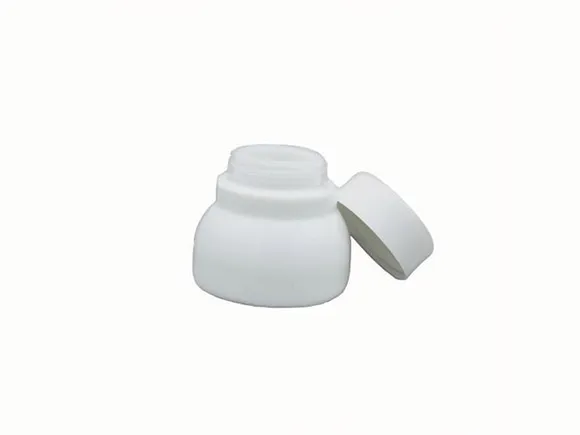
Failure Mode: Artwork Moves into a Functional Zone
Printing, labels and sleeves need position tolerances plus protected neck, sealing, assembly and product-contact zones. Map the visible panel on a controlled drawing and check artwork after closure application. PauPack's design service coordinates these boundaries across bottle, cap and secondary packaging.
Failure Mode: The Finish Rubs During Use or Packing
Define representative contact, handling, cleaning and carton conditions before selecting a durability check. Coating, frosting, metallization, labels and print can face different rub points. The product owner should also identify formula exposure or consumer-use conditions that could affect the decorated surface.
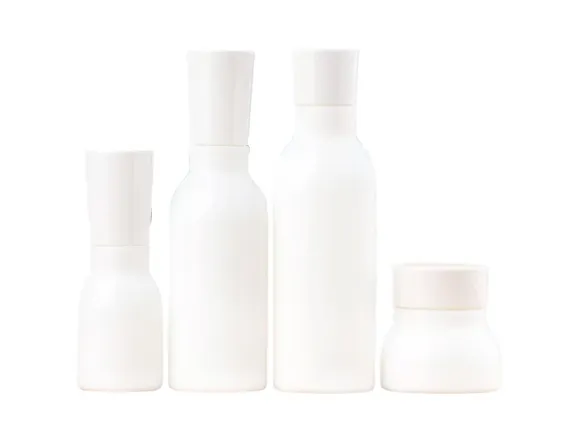
Failure Mode: The Process Hides the Glass Defect Standard
Decoration can mask or emphasize base-glass variation. Keep bottle inspection criteria, decoration criteria and final visual criteria distinct. PauPack's manufacturing overview and quality management resources help buyers assign responsibility at each stage.
Failure Mode: The Reorder Looks Similar but Is Not Controlled
When comparing glass bottle decoration methods, record supplier, process, artwork version, ink or coating system, curing assumptions, approved variation and change triggers. Retain undecorated and decorated masters so a later lot is not judged from memory or a photograph.
PauPack's services, packaging portfolio and custom-glass guidance support a complete decoration brief. PauPack compares glass bottle decoration methods through the evidence each process needs to repeat the accepted result.
Frequently Asked Questions
Is a digital color value enough for production approval?
No. Use it as a design input, then approve a physical color range on the selected production-style glass.
Which zones should remain undecorated?
Protect sealing, assembly, product-contact and other functional areas defined by the complete package design.
Can one durability test cover every decoration?
No. Define checks from the selected process and the package's actual filling, handling, use and distribution conditions.
What belongs in a decoration reorder file?
Include artwork, process identity, materials, approved samples, inspection criteria, packing and change triggers.