

A beverage bottle project passes through product development, packaging engineering, filling operations, brand design and logistics. A manufacturer should make those handoffs visible before a bottle is released.
Evaluate a glass beverage bottle manufacturer through three launch tracks and six integration points.
Track 1: Stock Bottle Launch
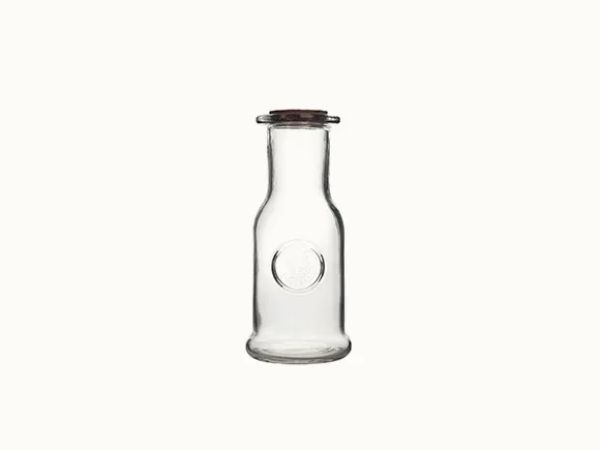
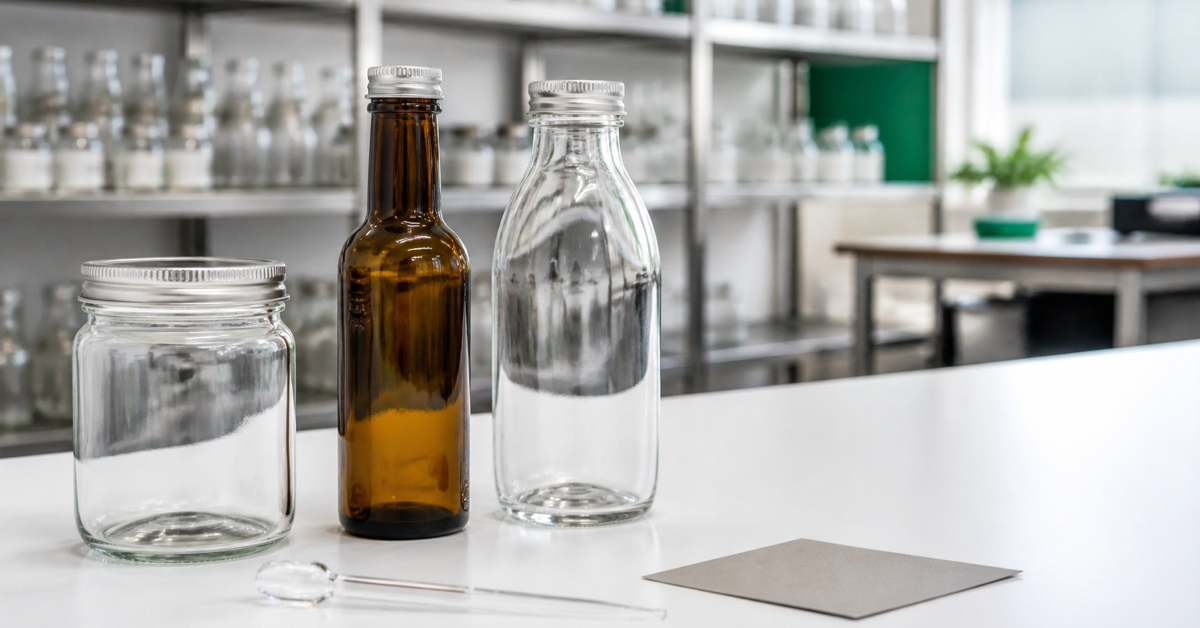
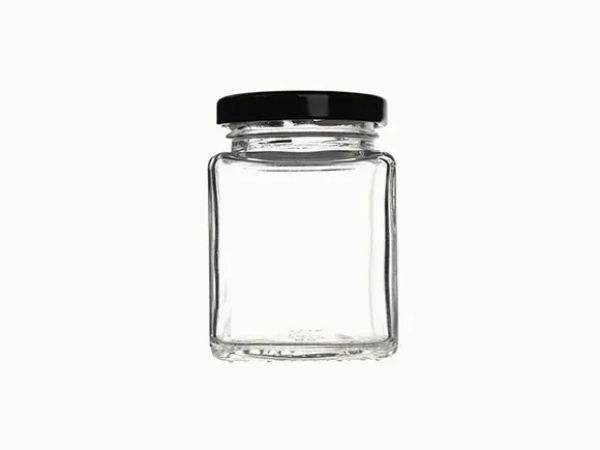
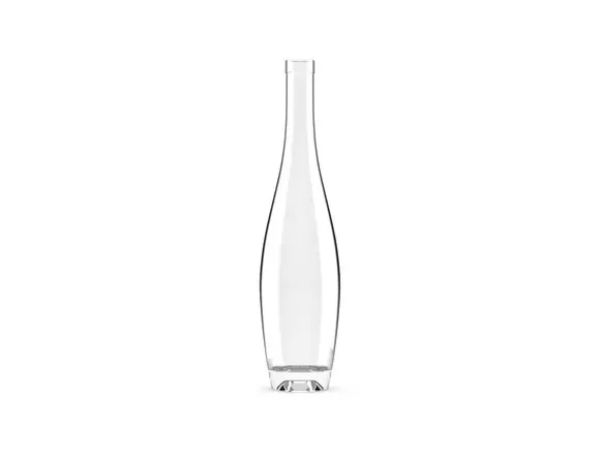
Use this route when an available capacity, finish and footprint meet the product and line brief. The project emphasis moves to closures, labels, filling trials and cartons.
PauPack's food and beverage packaging provides stock-format starting points.
Track 2: Decorated Stock Launch
Add color, printing, labels or sleeves to an approved stock structure. Surface approvals should use production-style bottles and final artwork.
Track 3: Custom Structure Launch
Use a custom route when brand geometry or functional requirements cannot be met with stock glass. Freeze drawings, prototypes, tooling decisions and revision control before production.
| Integration point | Decision |
|---|---|
| Product and glass | Process and capacity requirements |
| Finish and closure | Installed sealing system |
| Bottle and line | Stability, filling and coding |
| Surface and artwork | Printable area and appearance range |
| Pack and logistics | Carton, divider and pallet plan |
| Launch and reorder | Retained sample and change control |
Integration 1: Product Process
The beverage producer should define filling, storage, product-contact and distribution requirements. The bottle proposal must answer that brief without making process assumptions.
Integration 2: Closure System
Match neck finish, cap, liner, seal and application method. Test opening, reclosure and filled-product handling as required by the producer.
Integration 3: Filling Line
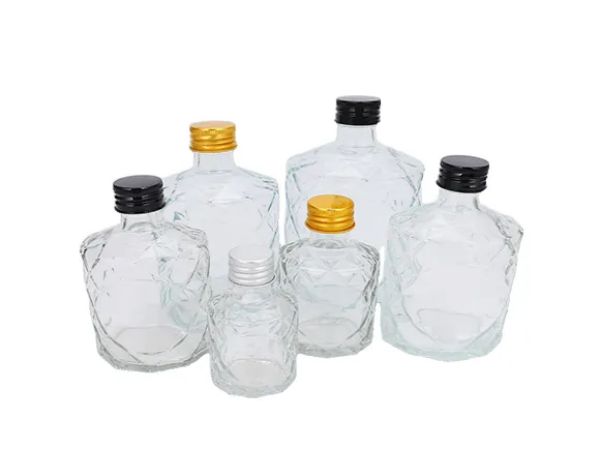
Confirm base stability, conveyor handling, nozzle clearance, closure application, labeling and coding on intended equipment.
The beverage bottle sample testing guide provides a release framework.
Integration 4: Brand Surface
Apply final artwork to filled samples. Check panel width, curvature, seams, condensation or handling exposure and carton contact.
Integration 5: Distribution Pack
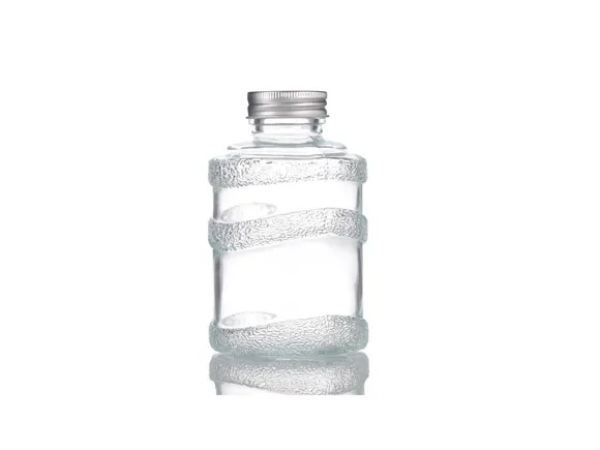
Approve dividers, glass contact, closure clearance, case identification and pallet pattern. PauPack's quality management supports inspection planning.
Integration 6: Reorder File
Retain drawings, bottle and closure codes, artwork, filled samples, packed samples and acceptable appearance ranges.
Compare applications through PauPack's juice bottle range, milk bottle range and glass yogurt jars.
A capable glass beverage bottle manufacturer aligns the chosen launch track with all six integrations. Select a glass beverage bottle manufacturer that preserves technical and commercial decisions for repeat orders.
Frequently Asked Questions
When should a beverage brand use a stock bottle?
Use stock glass when capacity, finish, footprint and line compatibility meet the product and commercial brief.
Does a custom bottle always require decoration?
No. Structure and surface decoration are separate decisions that should be approved together when both apply.
Why test bottles on the filling line?
Line trials reveal stability, nozzle, closure application, labeling, coding and handling issues.
What belongs in the reorder file?
Keep drawings, component codes, artwork, filled samples, packed samples and approved appearance limits.