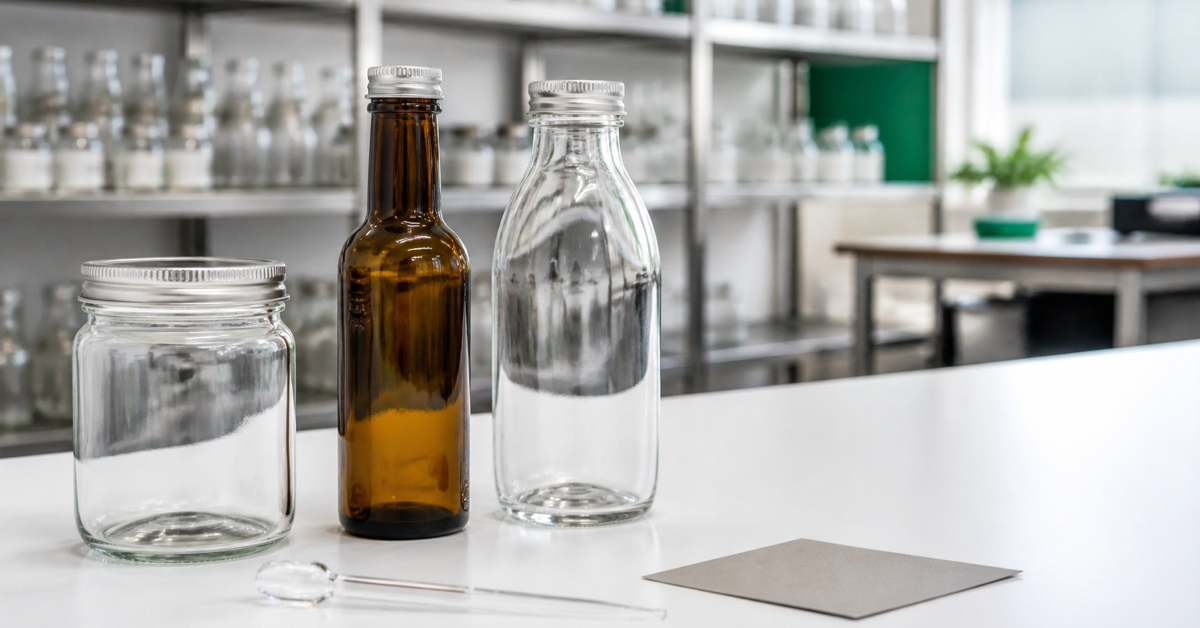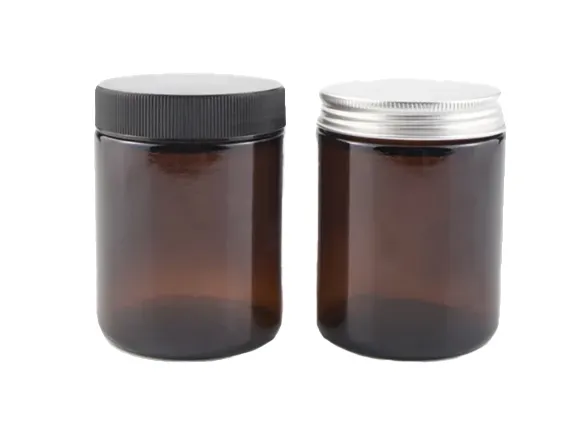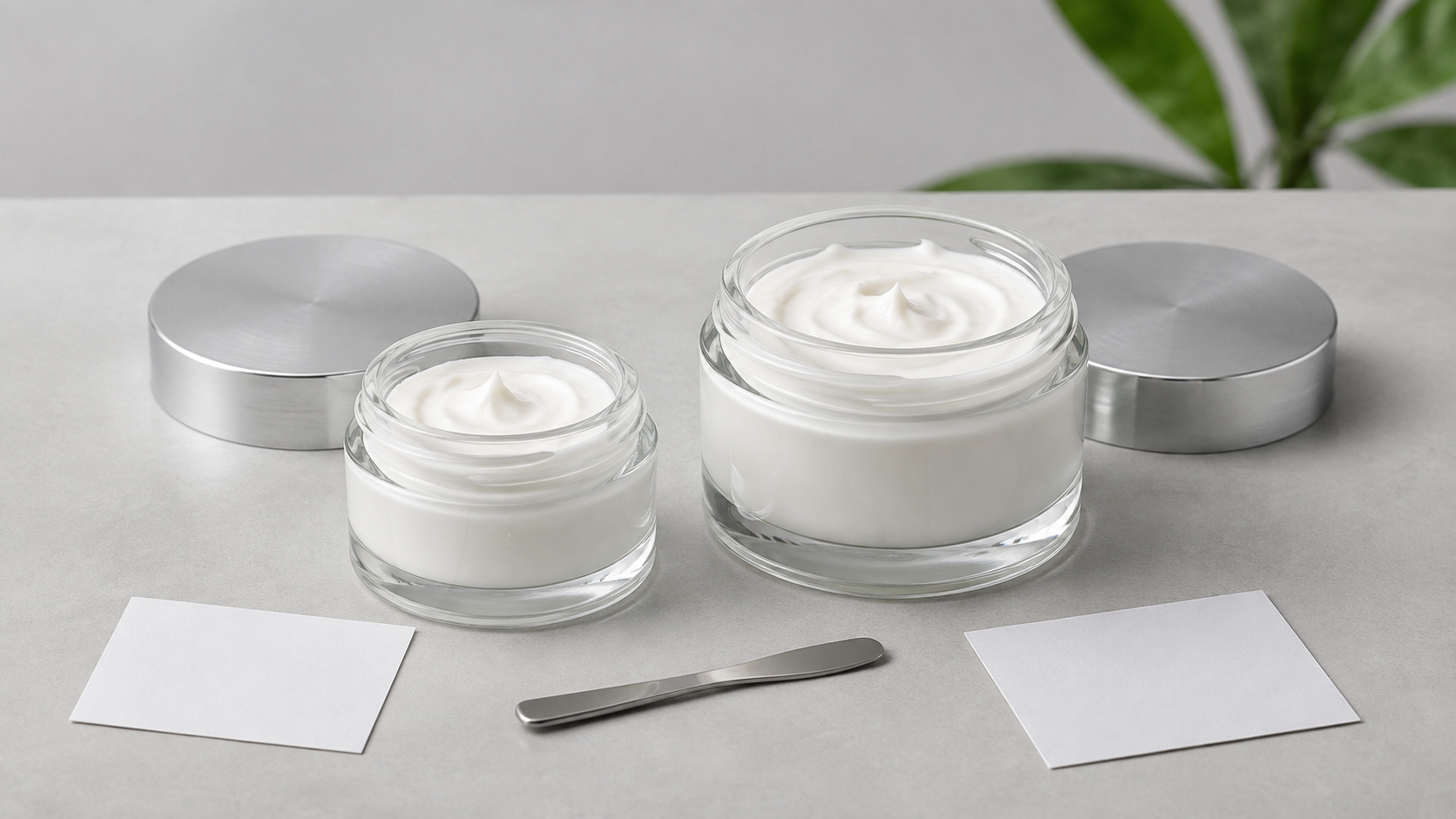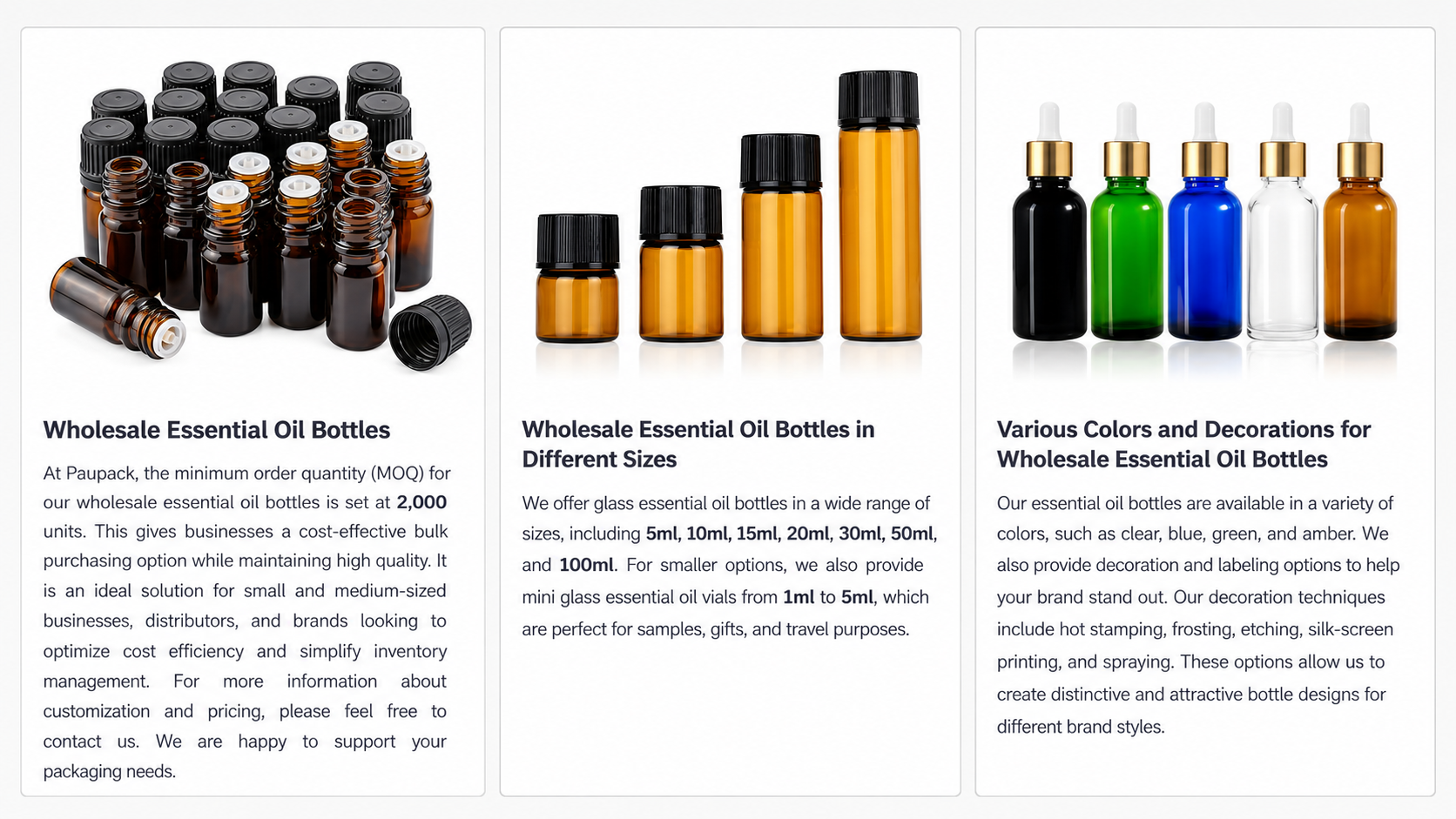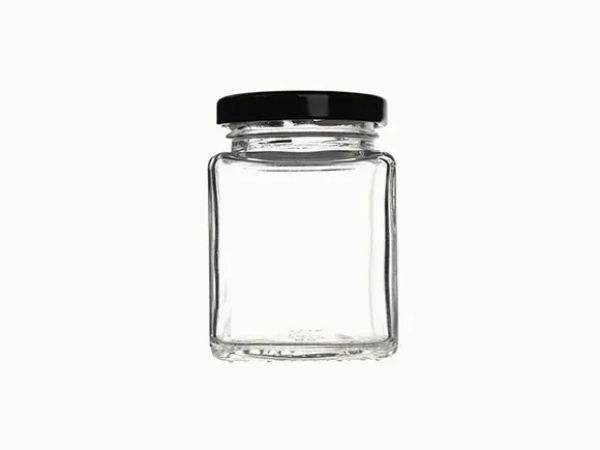


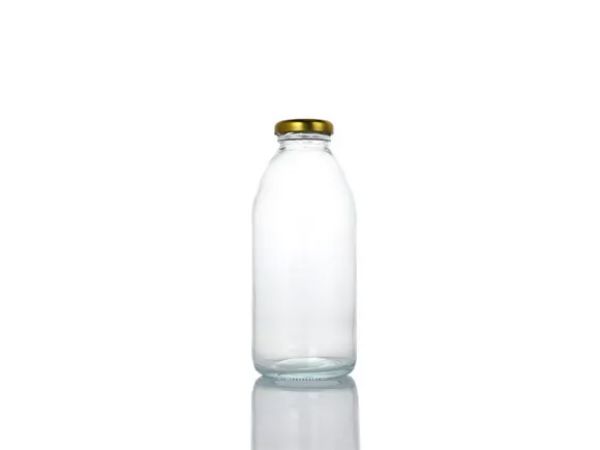
Food grade glass bottles should be supported by an evidence trail, not a material nickname. PauPack follows that trail from the product-contact surface through closures, decoration, filling, cleaning, packing and the target market's compliance review.
Evidence Stop 1: Define the Food and Use Conditions
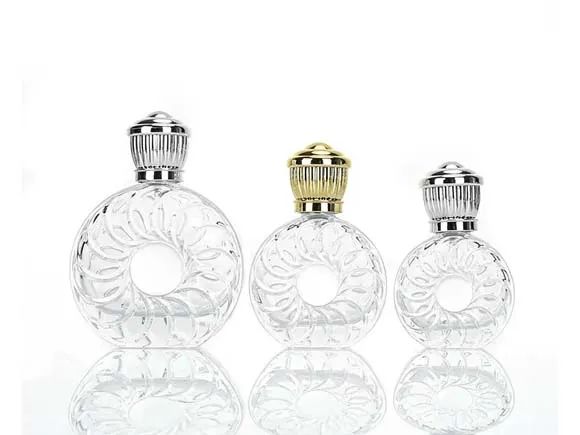
Package suitability depends on the intended product and process. Record whether the bottle is used for juice, sauce, oil, dairy, syrup or another food; include filling temperature, cleaning method, storage and consumer use.
Compare formats in PauPack's food and beverage packaging range and review the glass bottle inspection guide before selecting production samples.
Evidence Stop 2: Identify Every Contact Component
The closure, liner, seal and any dispensing component can contact the product or headspace. Build a component bill with materials, suppliers, drawings and installed samples. The product owner determines the applicable compliance and compatibility requirements.
| Evidence stop | Record to retain | Decision owner |
|---|---|---|
| Food and process | Product and use-condition brief | Product owner |
| Contact components | Material and component bill | Packaging and regulatory teams |
| Production trial | Filling, closure and cleaning record | Operations |
| Distribution pack | Retail and shipper sample | Packaging team |
| Market review | Applicable documentation file | Qualified compliance owner |
Evidence Stop 3: Separate Glass from the Complete Package Claim
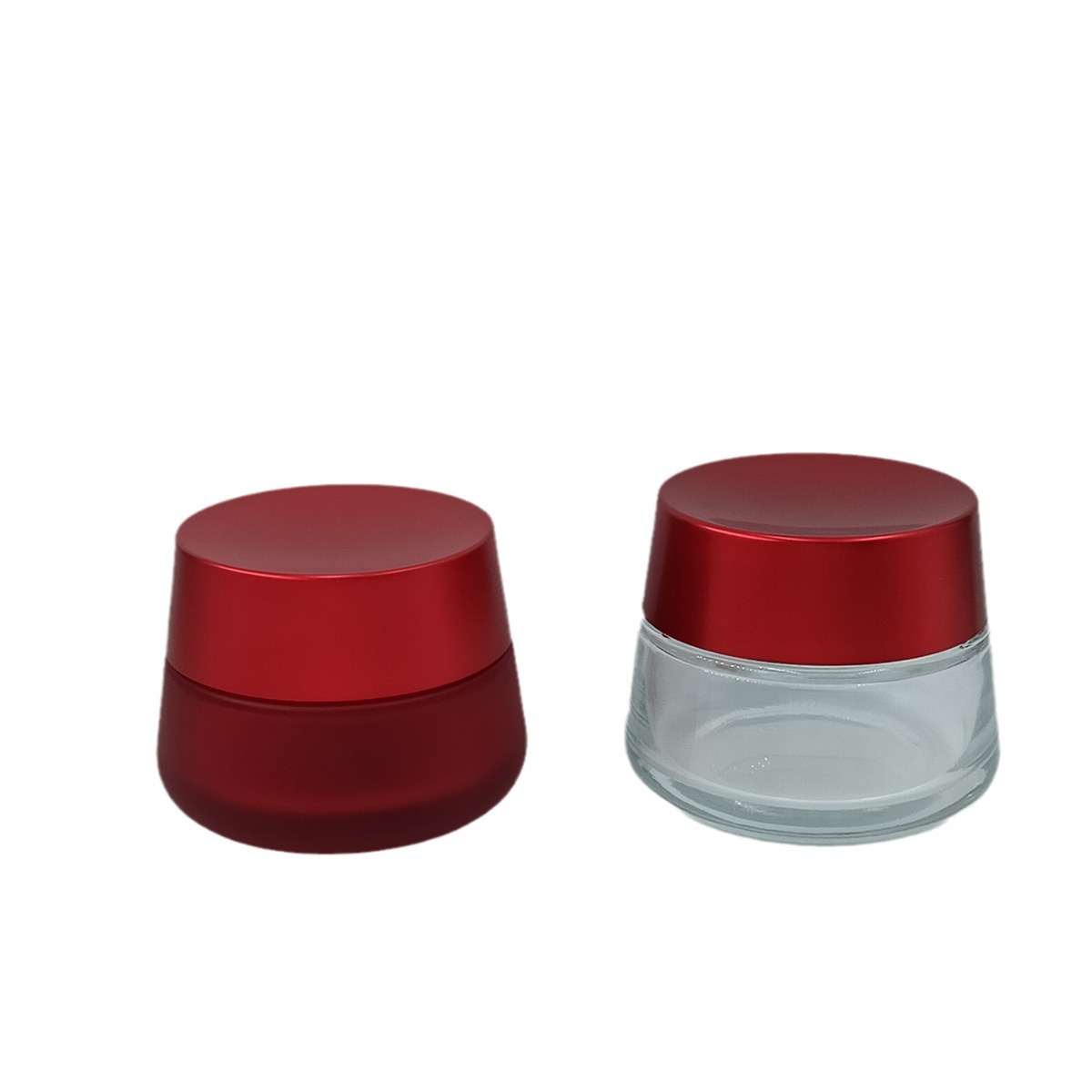
In the United States, FDA information on packaging and food-contact substances can inform the product owner's regulatory review. PauPack does not treat a generic “food safe” label as a substitute for product- and market-specific evidence.
Evidence Stop 4: Prove the Filling and Packing Handoffs
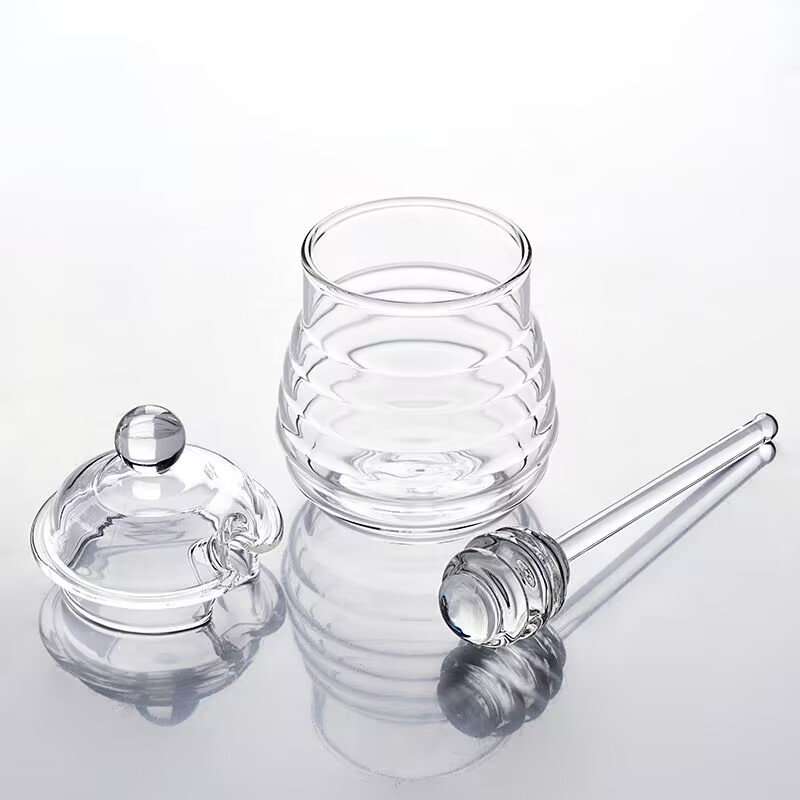
Review thermal and mechanical conditions defined by the buyer, bottle handling, closure application, label contact and divider fit. PauPack's quality management, services and design support help organize release evidence.
PauPack's product portfolio also helps buyers compare bottle, jar and closure formats before locking the contact-component bill and packing configuration.
For food grade glass bottles, the RFQ should state the food and process context, bottle and closure specifications, documentation needs, quantities, packing and destination.
PauPack helps buyers source food grade glass bottles through a traceable package file, keeping material, process and compliance responsibilities clear from sample to reorder.
Frequently Asked Questions
Is all glass automatically food grade?
No generic statement replaces verification for the intended product, complete package, process and target market.
Do closures belong in the food-contact review?
Yes. Liners, seals, caps and dispensing components may contact the product or headspace.
Who approves filling-temperature suitability?
The product owner and operations team should define and approve process conditions using controlled production-style samples.
What should be retained for repeat orders?
Keep drawings, component and material records, approved samples, trial results, inspection criteria, artwork and packing references.