

Custom pudding jars live through more moments than a product photograph shows. They meet filling equipment, cooling or storage, labels, secondary packing, a retail shelf and finally a spoon. PauPack designs the brief by walking through that day in the jar's life, turning each moment into a measurable packaging decision.
6:00 AM — The Empty Jar Arrives
Receiving teams need stable item codes, drawing revisions, case counts, pallet assumptions and visible lot identity. Inspect dimensions, opening, base stability and workmanship against agreed methods. Separate cosmetic observations from conditions that could affect filling, closing or handling. A receiving plan should also show how deviations are contained and who can release the lot.
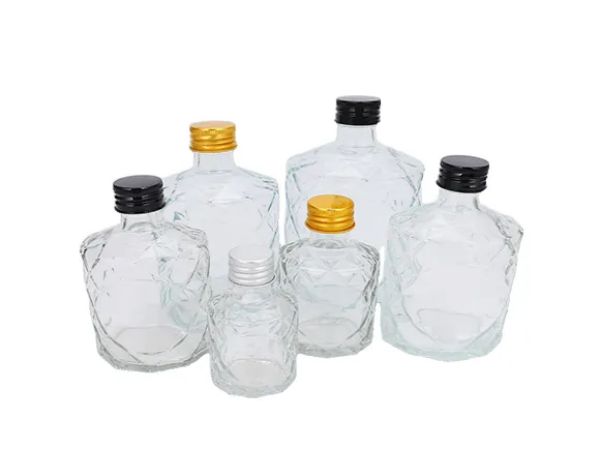
8:30 AM — Product Meets the Opening
The product owner should define fill temperature, viscosity, particulates, contact time and hygiene requirements. Packaging engineers then review opening access, shoulder geometry, usable fill and equipment clearance. PauPack avoids declaring a jar suitable from nominal capacity alone; production-relevant trials should confirm how the actual filling route interacts with the identified container.
9:15 AM — The Closure Becomes Part of the Product
Identify lid, liner, seal or foil route, application method and opening experience. Review the complete set rather than approving loose pieces independently. Record torque or other process measures only when methods and owners are qualified. PauPack keeps closure codes, container finish and trial conditions together so complaint analysis does not depend on memory.
10:00 AM — The Visible Fill Line Is Judged
Pudding color, inclusions and surface level influence presentation. Define nominal and usable fill, headspace assumptions and the acceptable visual relationship between product, shoulder and label. A heavy base or curved wall may change how the filled portion looks. Approve the filled presentation under the actual container geometry, not a digital mockup.
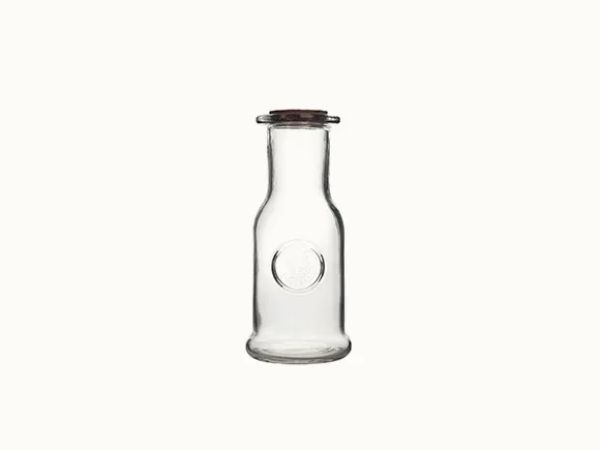
Noon — Decoration Must Survive Real Handling
Labels, printing, sleeves and coatings should be reviewed for placement, readability, adhesion assumptions and contact with guides, condensation or cartons where relevant. The customer's qualified team defines environmental and product-specific studies. PauPack's design support maps artwork to seams, curves, grip areas and coding zones before production files are released.
2:00 PM — The Jar Enters a Case
Case count, dividers, orientation, contact surfaces, pallet pattern and destination handling influence breakage and appearance. Approve a complete packed product, not an empty carton. The International Safe Transit Association notes that test selection depends on the distribution objective and complete packaged product; qualified owners should select the relevant program and acceptance rules.
4:30 PM — The Retail Team Sees a Range, Not One Jar
Compare single-serve, sharing, sampler and gifting roles. Each capacity needs a commercial job, forecast and carton logic. PauPack uses the glass yogurt and dessert jar range to shortlist formats, then scores them against filling access, shelf footprint, label area, spoon access and component sharing.
| Life moment | Key evidence | Decision owner |
|---|---|---|
| Filling | Identified jar and line trial | Operations |
| Closing | Matched closure record | Packaging/quality |
| Retail | Filled decorated master | Brand/commercial |
| Distribution | Packed reference and study | Logistics/quality |
7:00 PM — The Consumer Picks Up a Spoon
Observe grip, opening, seal removal, spoon access, stability and the ability to reach product near the shoulder and base. The rim should support the intended eating moment without making the jar awkward to hold. User observation does not replace food-safety validation; it adds a practical packaging requirement that drawings alone cannot express.
The Next Morning — Cleaning, Sorting and Claims
End-of-life communication depends on the exact components and local systems. Avoid broad claims that ignore lids, liners, labels or residues. The FTC's Green Guides illustrate why environmental marketing should be clear and appropriately qualified. Destination-specific language belongs with the brand's responsible reviewer.
Choose Stock, Semi-Custom or New Geometry
A stock jar with a custom label can reduce tooling and development time. Semi-custom colors or decoration add visual distinction but may introduce setup minimums. New geometry can improve brand ownership or user access, yet it needs drawings, tooling, samples and longer approval gates. PauPack compares the routes on total delivered cost, forecast confidence and reorder resilience.
Build a Cost Ledger for the Sellable Dessert
Separate jar, closure, seal, decoration, setup, inspection, divider, carton, pallet and freight assumptions. Include trial quantities, losses, spare components and residual inventory. The cheapest empty container may not create the lowest sellable-unit cost if it needs unique closures, inefficient cases or frequent line adjustment.
Plan Capacity and Lead Time by Moment
Glass supply, closure procurement, decoration, line trials, packed approval and freight booking have different dependencies. PauPack adds customer response dates and decision owners to the schedule. A change to capacity, finish, closure or case count should show its effect on cost, evidence and launch timing before approval.
Create the Next-Day Reorder File
Retain drawings, component codes, filled masters, artwork, inspection rules, packed references, deviations and supplier change requirements. Connect production and complaint records to the same identities. PauPack's quality process, project services and catalog help keep the commercial and technical record aligned.
Invite PauPack Into the Jar's Full Day
Send the product profile, fill size, process boundaries, closure route, decoration, quantity, channel and destination. A useful custom pudding jars brief follows the container from receiving through spoon access and back into a repeat order. That full-day view exposes questions early, when the team can still change the specification without wasting finished inventory.
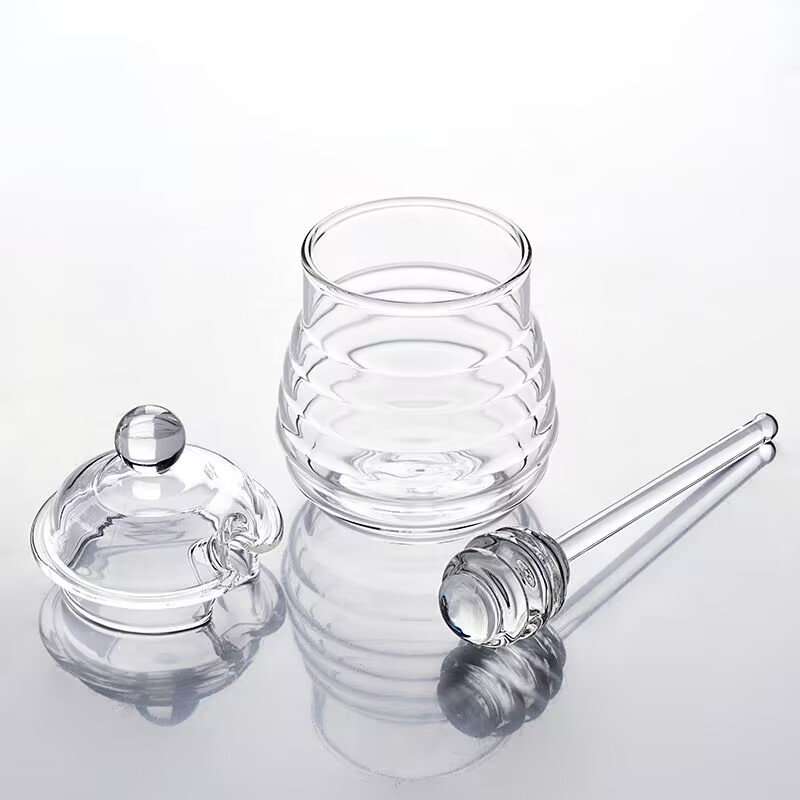
Write a Retail Task List Before Choosing Shape
For custom pudding jars, list the tasks the pack must perform: communicate flavor, show the product, stack or display, fit the shopper's hand, open cleanly and support spoon access. Weight the tasks by channel. PauPack uses the list to prevent a dramatic silhouette from winning while filling access, label readability or shelf efficiency remains unresolved.
Model the Range as Shared and Unique Parts
A dessert family may share one lid across several fills, or use one jar with different labels and cartons. Map every shared component and every unique one. Custom pudding jars can create hidden residual inventory when a low-volume flavor needs a special lid, sleeve or divider. PauPack calculates sellable units and leftover parts under base, slow and upside forecasts.
Turn Consumer Observation Into Measurable Language
Instead of “easy to eat,” record opening diameter, stability, grip zone, spoon angle and whether product remains trapped under the shoulder. Instead of “premium,” define glass weight, finish, label hierarchy and packed presentation. PauPack turns reactions to custom pudding jars into requirements suppliers and inspectors can understand without guessing at the original design discussion.
Keep Food-Contact Boundaries Explicit
The U.S. FDA provides Food Contact Substances resources explaining that intended use and conditions matter. The customer's qualified food-safety and regulatory owners should evaluate the exact materials and process. PauPack keeps identified glass, closure, liner, seal, ink, label and adhesive information with the custom pudding jars specification rather than relying on a generic “food grade” phrase.
Make the Reorder Review a Short Meeting
Before repeating custom pudding jars, compare the last fill record, closure observations, decoration yield, packed damage, complaints, forecast and proposed supplier changes. PauPack protects successful choices as carefully as it corrects failures. The meeting ends with updated quantities, affected files, required samples, owners and dates, giving the next order a clean starting point.
Keep a Shelf Photograph With Scale
Photograph the filled jar beside its label, lid and secondary pack under agreed lighting, with a scale or known reference where useful. The record helps future teams compare color, fill line, artwork and proportion. PauPack keeps this evidence with custom pudding jars so later approvals do not rely on memory or differently edited campaign images.
Record the Empty-to-Filled Weight Assumption
Purchasing and logistics should distinguish container weight, target fill and packed case assumptions. PauPack keeps these values linked to the identified jar and product brief so freight, handling and shelf decisions are not made from an empty sample alone.
Frequently Asked Questions
What should be defined before choosing a pudding jar?
Define product behavior, fill route, capacity, closure, eating moment, decoration, channel and distribution.
Why is usable fill different from nominal capacity?
Headspace, product presentation and process conditions can make the practical fill different from a headline number.
Should the lid be approved with the jar?
Yes. The container, closure, liner or seal and application method form one functional system.
How does spoon access affect geometry?
Opening diameter, shoulder and base shape influence how easily consumers can reach the product.
Can a stock jar look custom?
Yes. Labels, printing, sleeves, lids and secondary packing can create a semi-custom route.
What should a filled master include?
Use the identified jar, closure, fill level, artwork, finish and approved presentation conditions.
Why inspect the packed case?
Dividers, contact surfaces, orientation and case movement can affect breakage and decoration.
Which costs belong in the comparison?
Include components, decoration, setup, inspection, packing, losses, residual inventory and delivery.
When should the packaging be reviewed again?
Review changes to product, process, jar, closure, artwork, packing, destination or distribution route.
What protects a repeat order?
Controlled codes, drawings, masters, inspection records, packed evidence and change notification protect it.